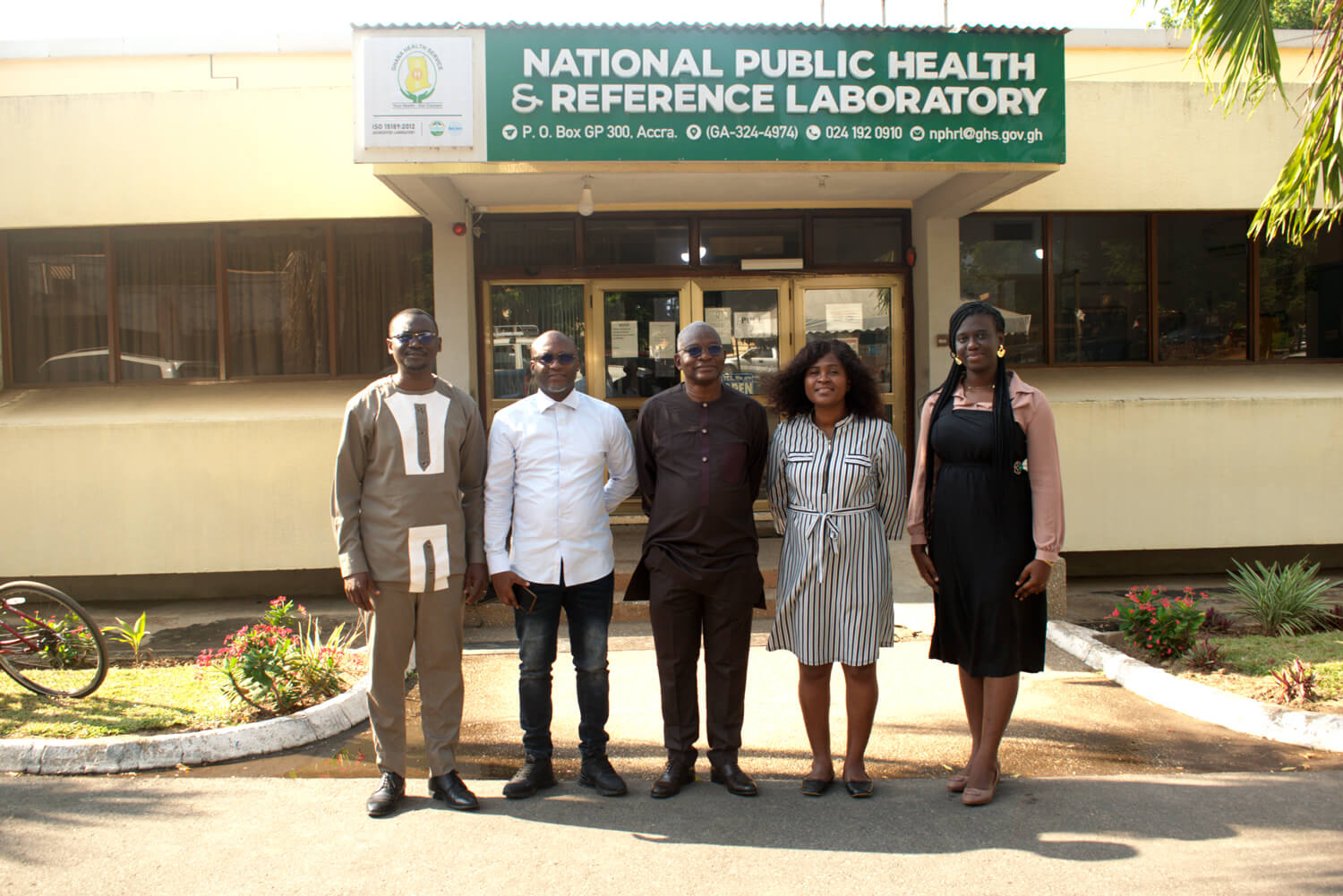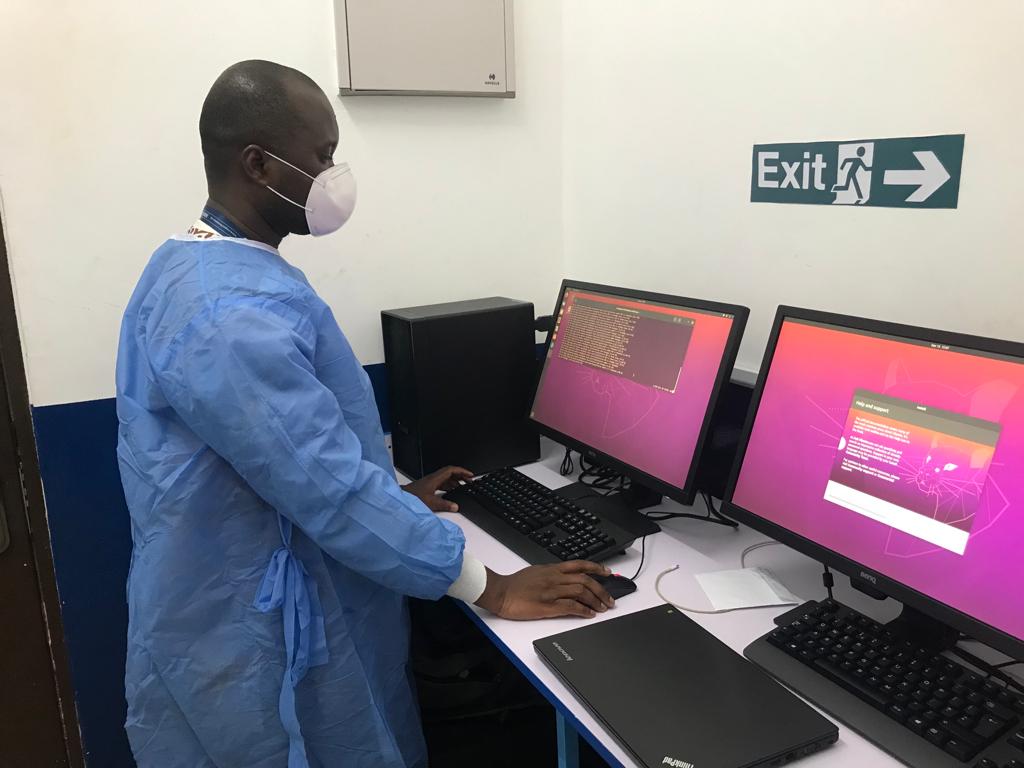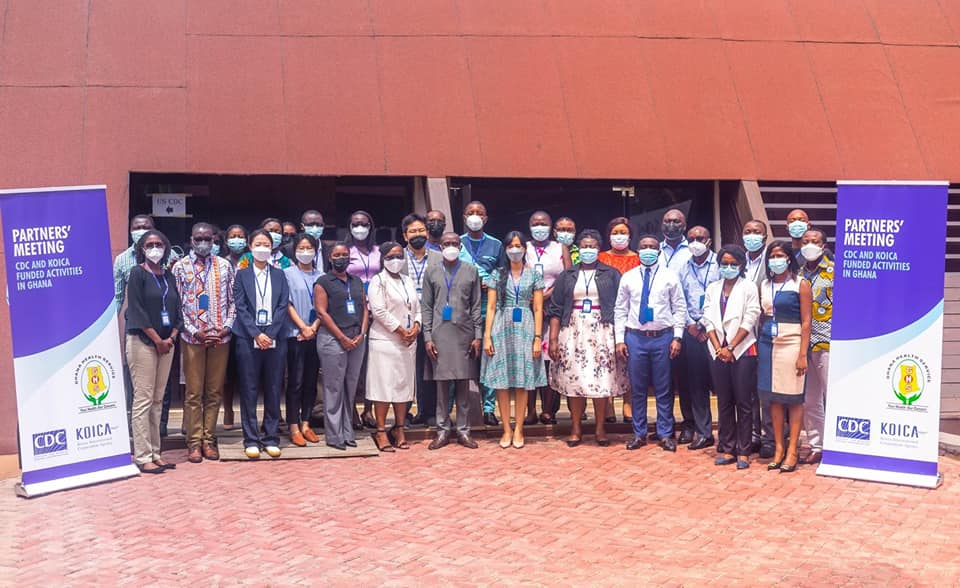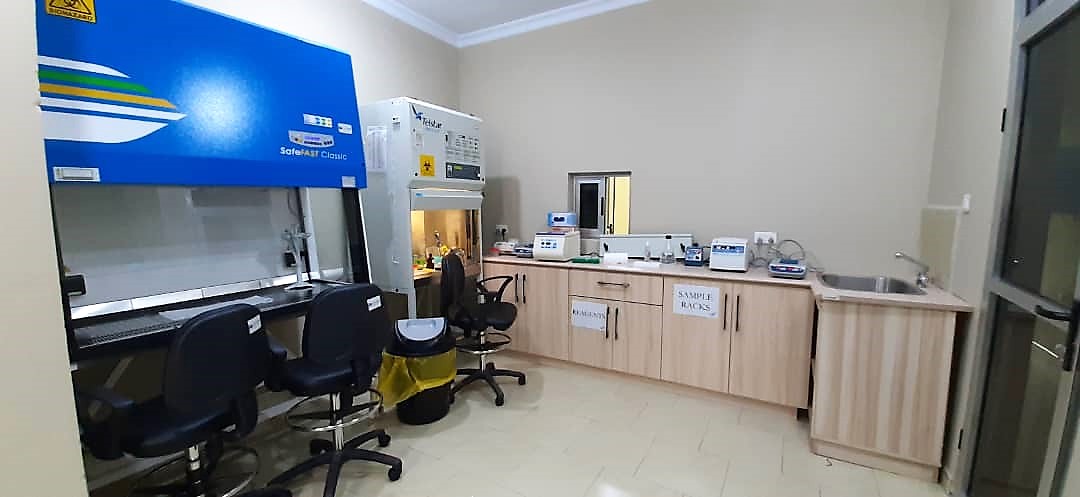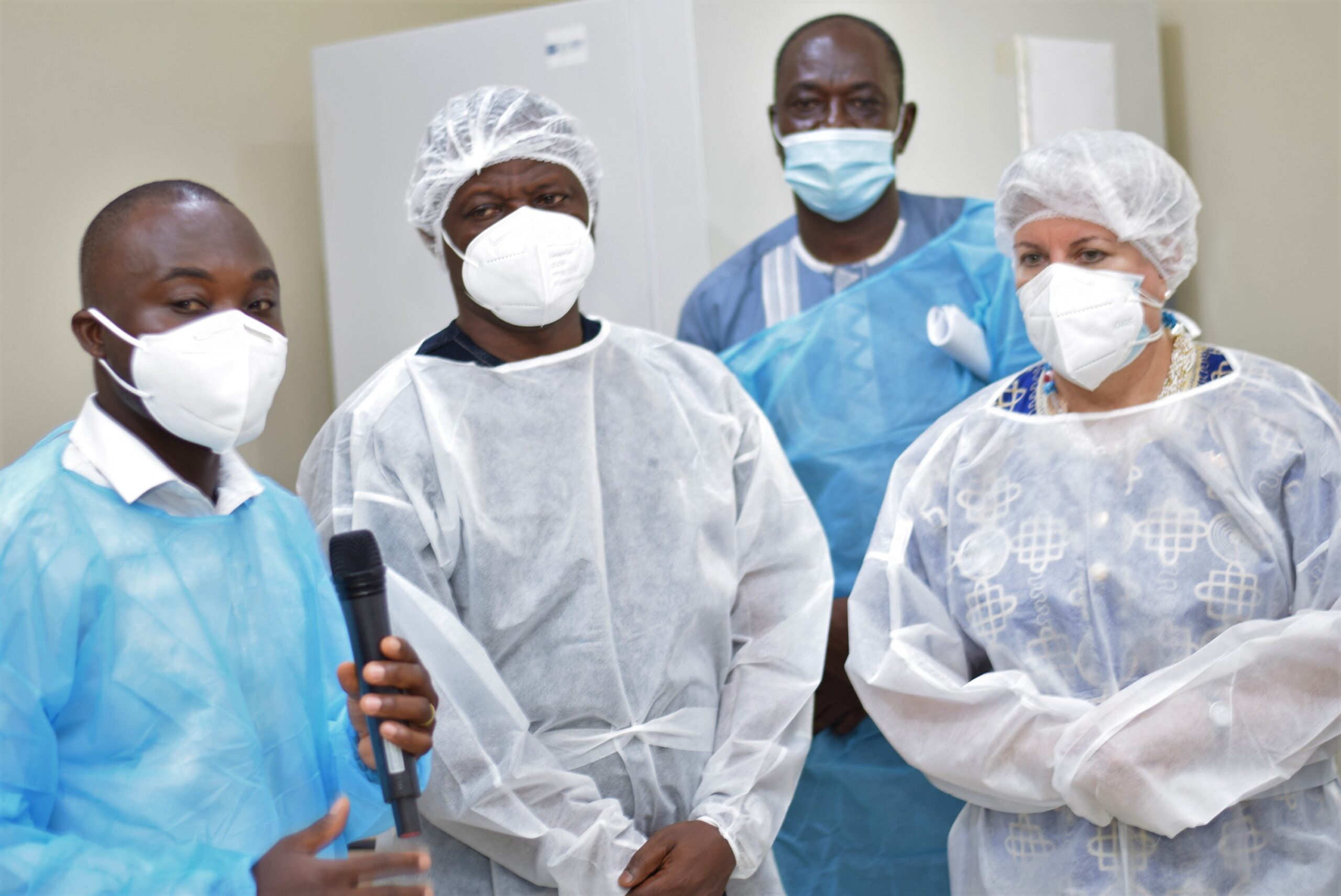




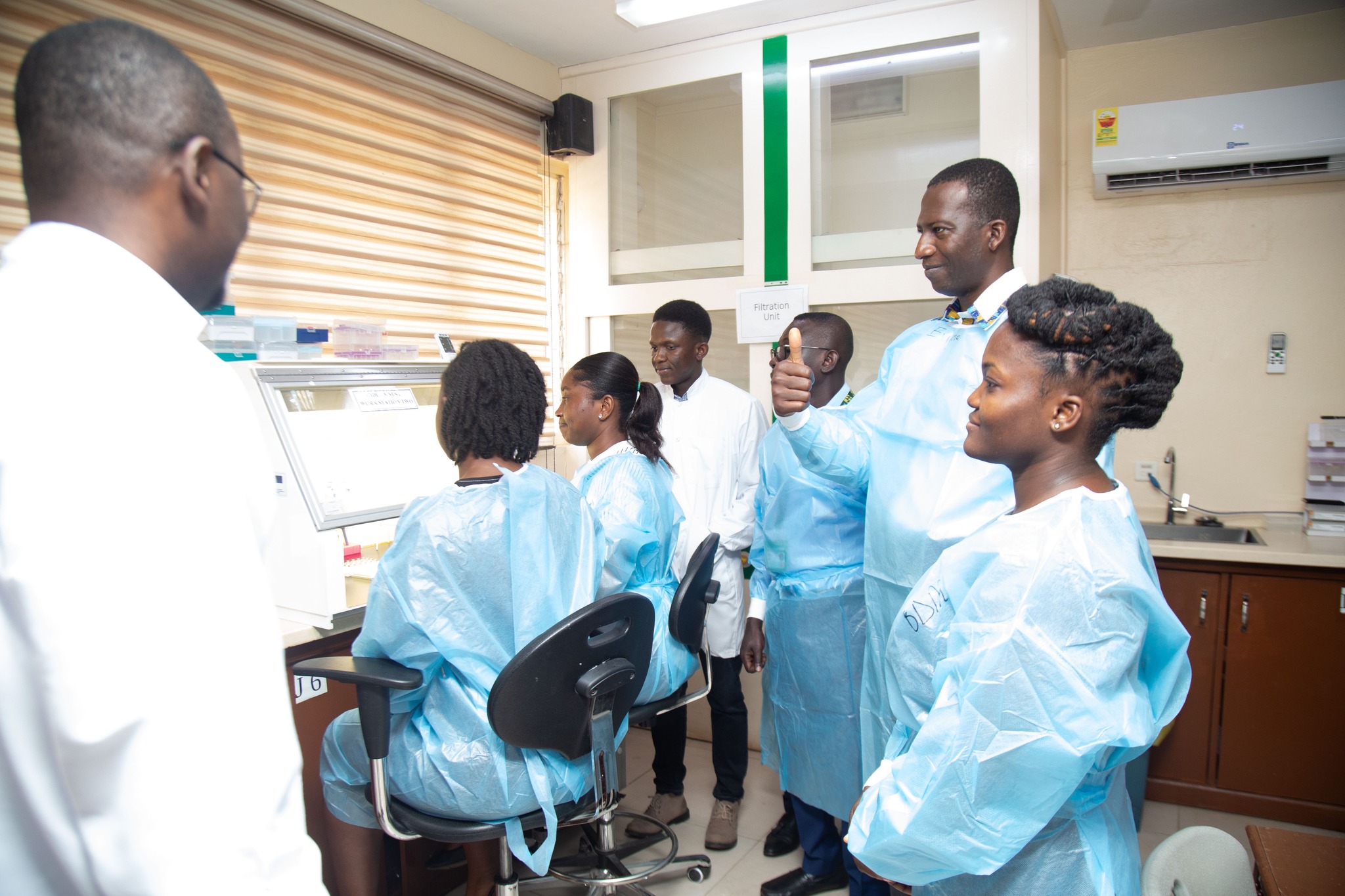




In August 2025, the Centre for Health Systems Strengthening (CfHSS), together with technical experts from the U.S. Centers for Disease Control and Prevention (CDC), conducted a detailed assessment of the molecular laboratory at the National Public Health Reference Laboratory (NPHRL). The assessment highlighted key space, workflow, and biosafety constraints that limit the facility’s ability to fully meet international standards for diagnostics, genomic surveillance, and pathogen detection. These findings made clear the need for an expanded molecular laboratory, an effort that aligns with Ghana’s broader Global Health Security Agenda (GHSA) priorities, funded by CDC through KOICA.
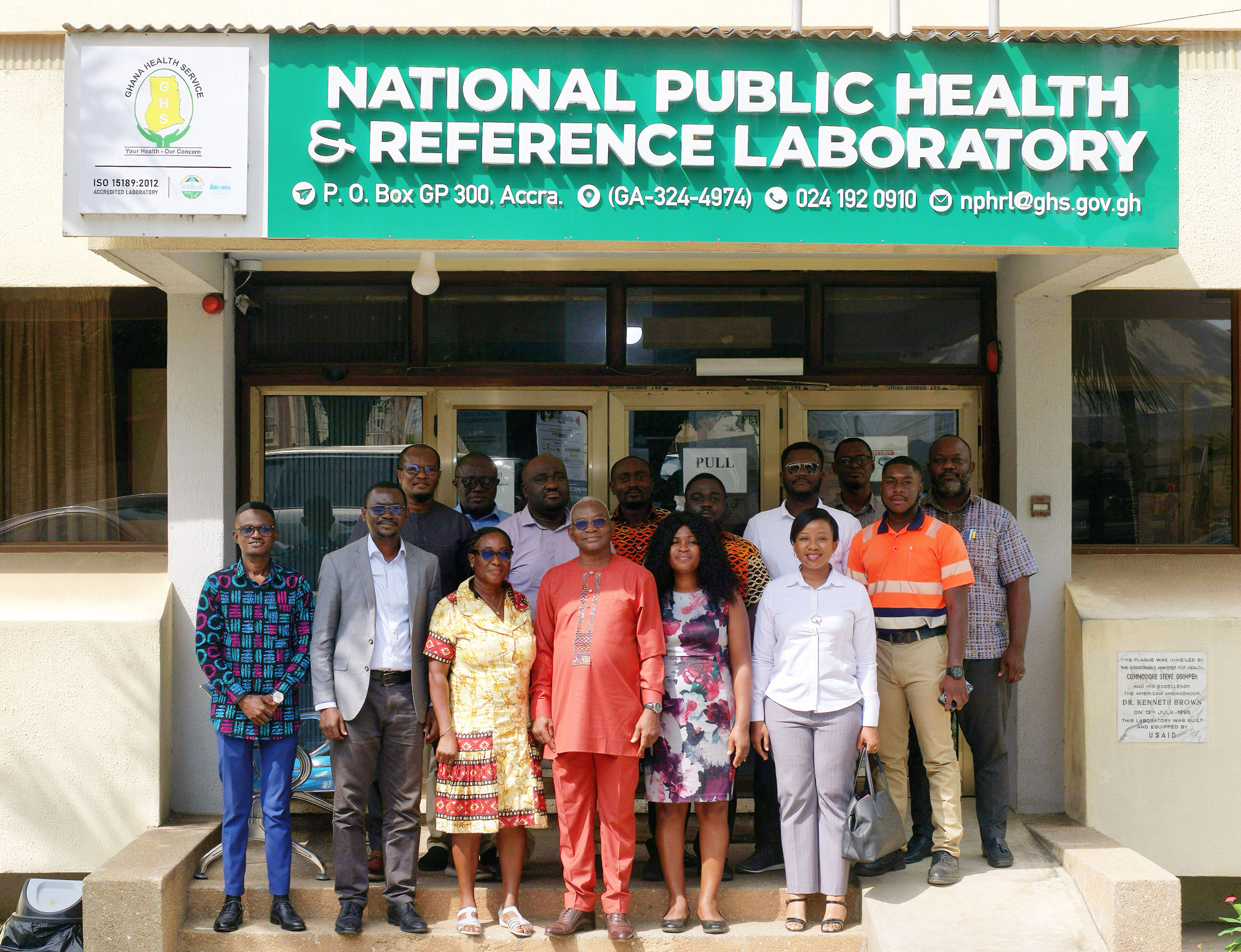
As part of its mandate to strengthen public health laboratory systems, CfHSS has been working closely with NPHRL leadership and the Ghana Health Service (GHS) to move the recommended improvements forward. On November 17, 2025, CfHSS met with the project architect, leadership of NPHRL, and the GHS Estate Department to review an updated floor plan for the proposed laboratory expansion. The discussions focused on ensuring that the revised design reflects international standards for molecular diagnostics, provides adequate biosafety zoning, improves workflow and sample movement, and accommodates future capacity for high-throughput testing and advanced genomic applications.




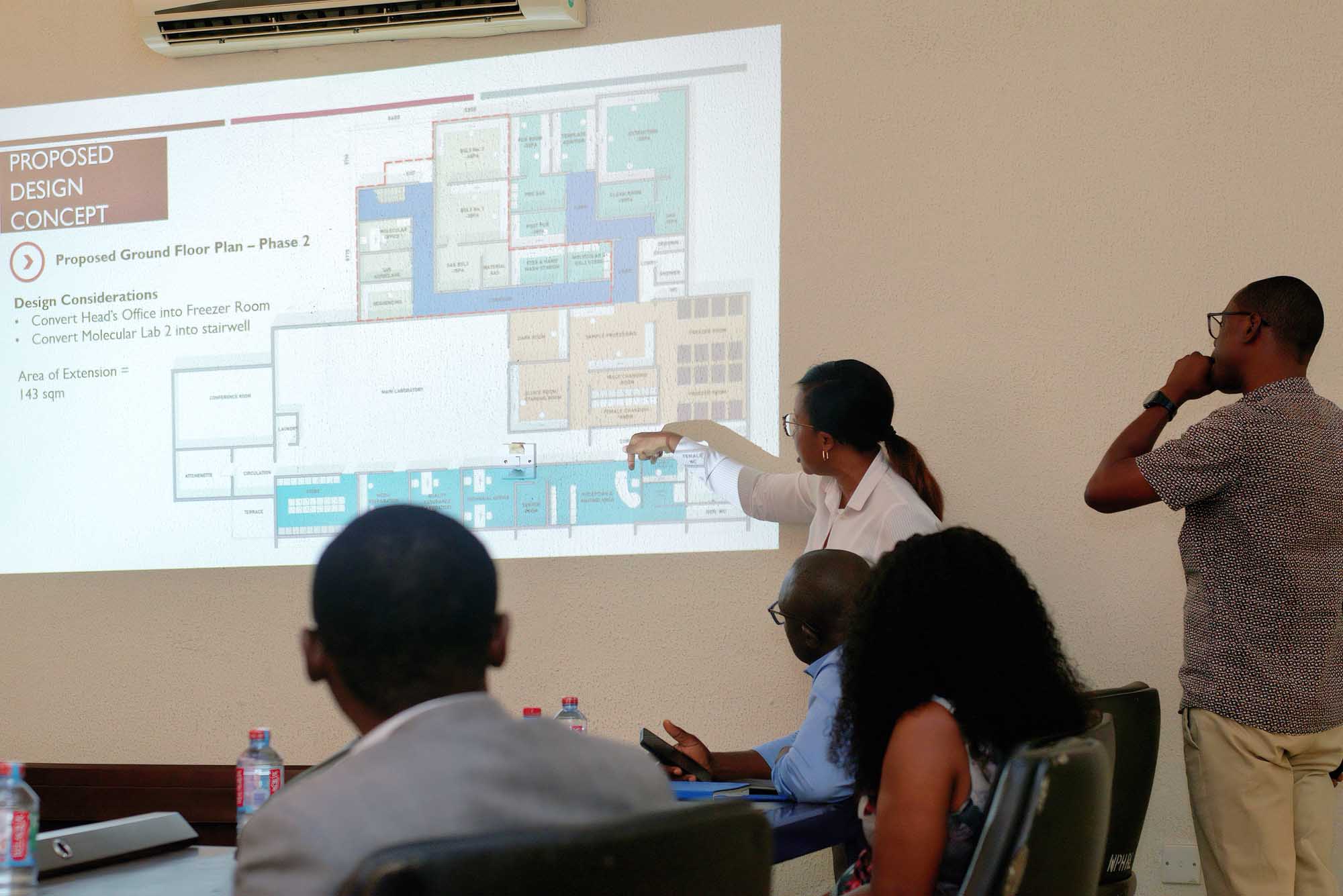



The NPHRL, as Ghana’s apex public health reference facility, plays a critical role in national diagnostics, outbreak investigations, and surveillance testing. Expanding its molecular laboratory will significantly enhance its ability to respond to emerging and re-emerging diseases while supporting the country’s growing genomic surveillance needs. The review meeting provided critical technical inputs from CfHSS, NPHRL scientists, and GHS engineers, all of which will guide the next iteration of the architectural drawings before construction begins.
CfHSS remains committed to supporting Ghana in building a resilient and internationally aligned public health laboratory system, one capable of meeting current diagnostic demands and strengthening preparedness for future health threats.