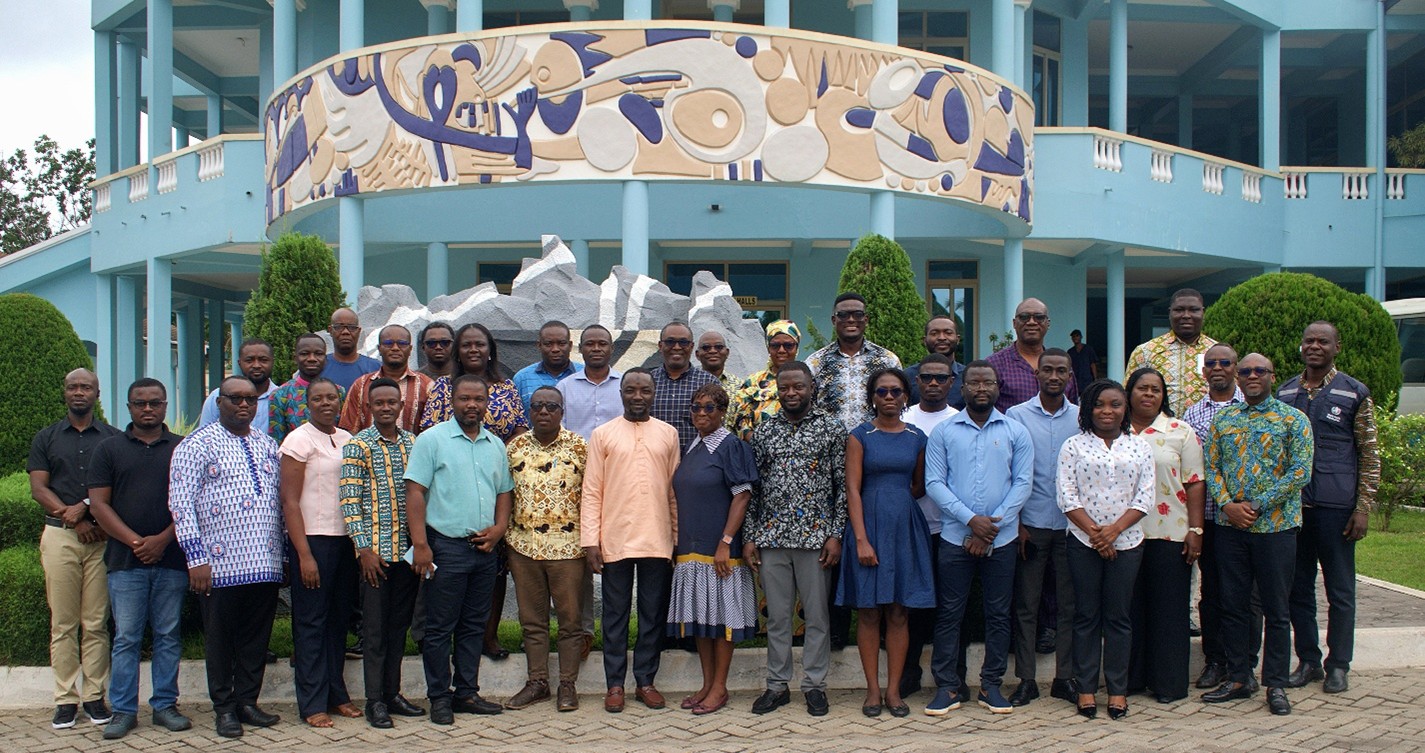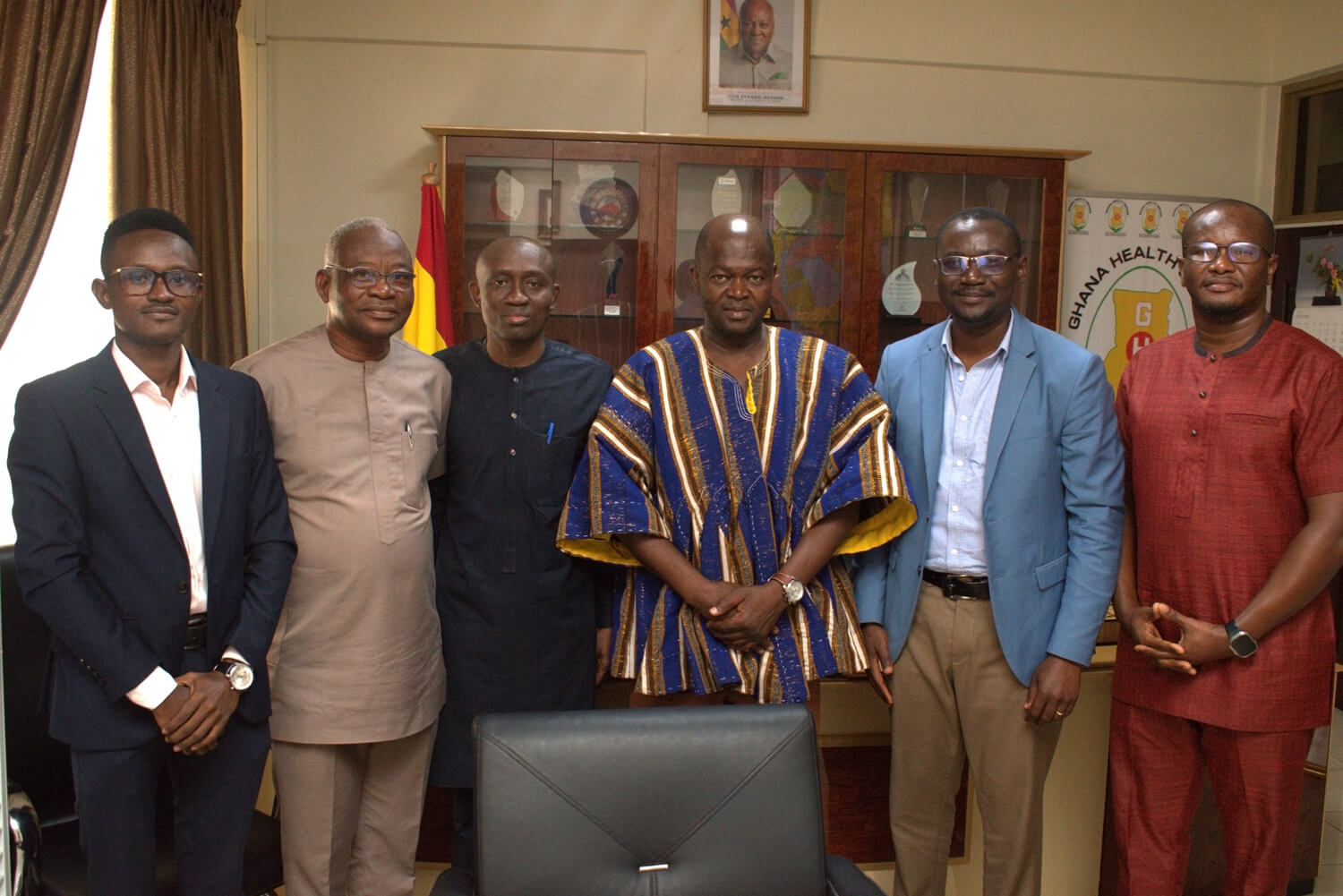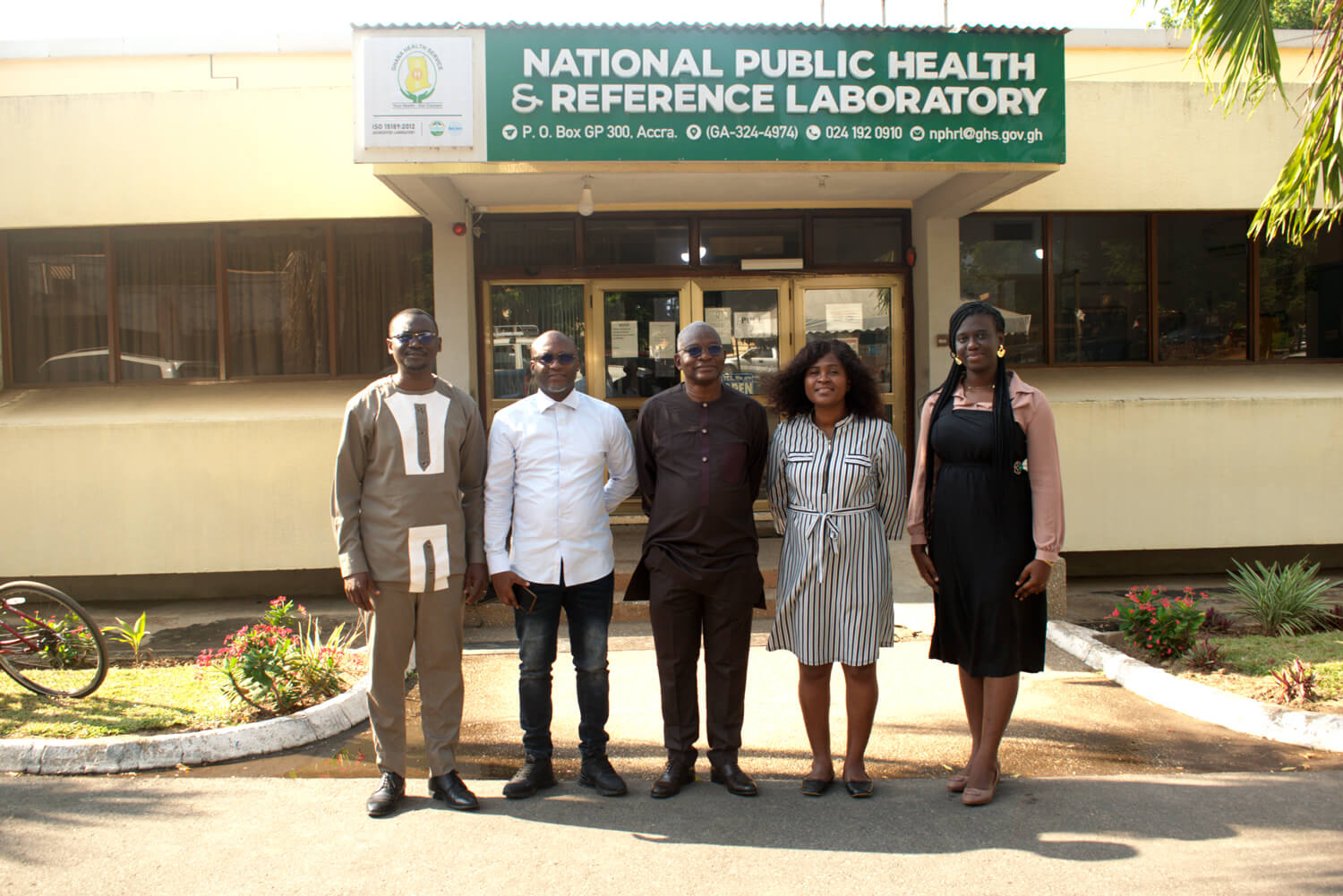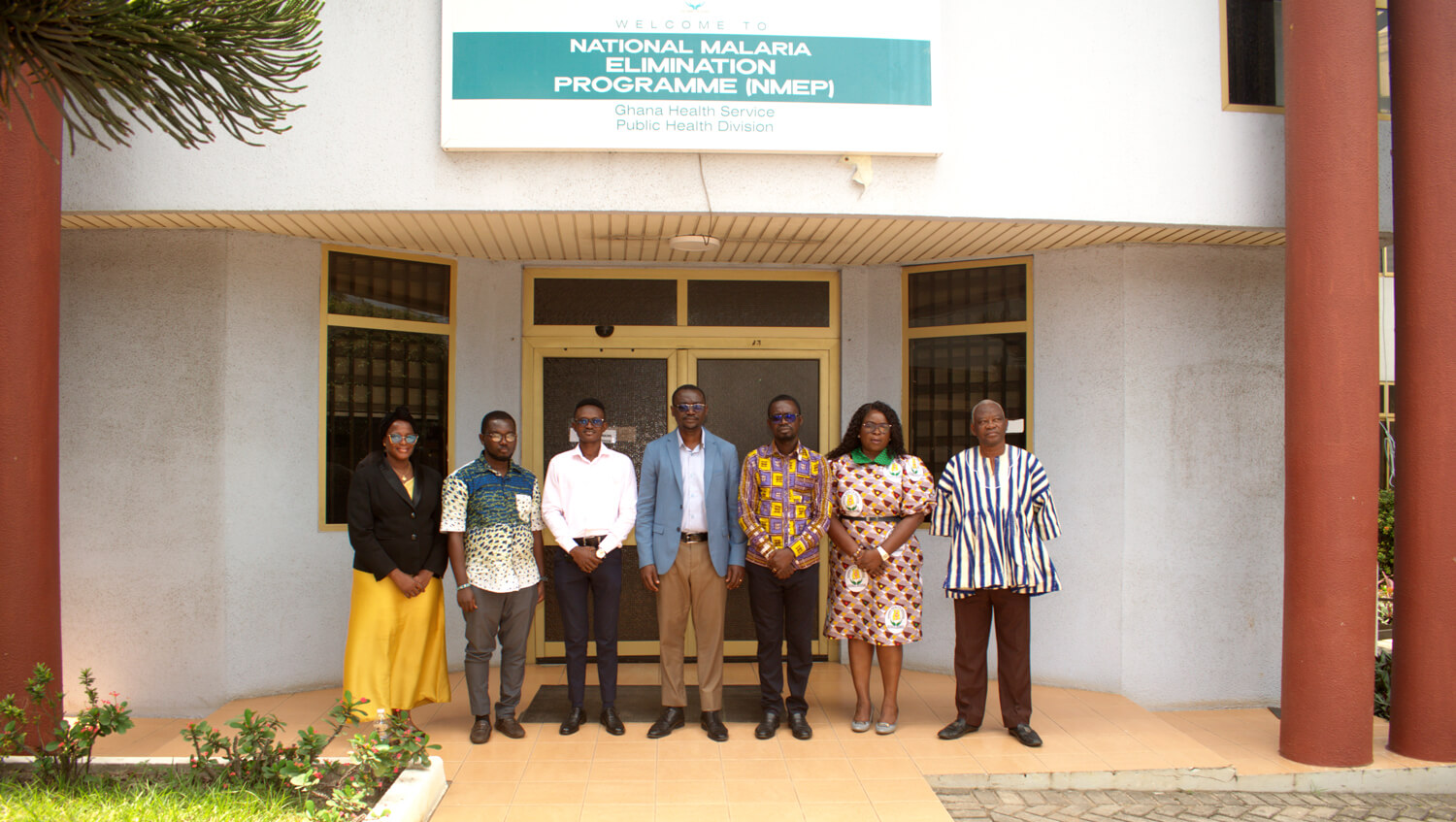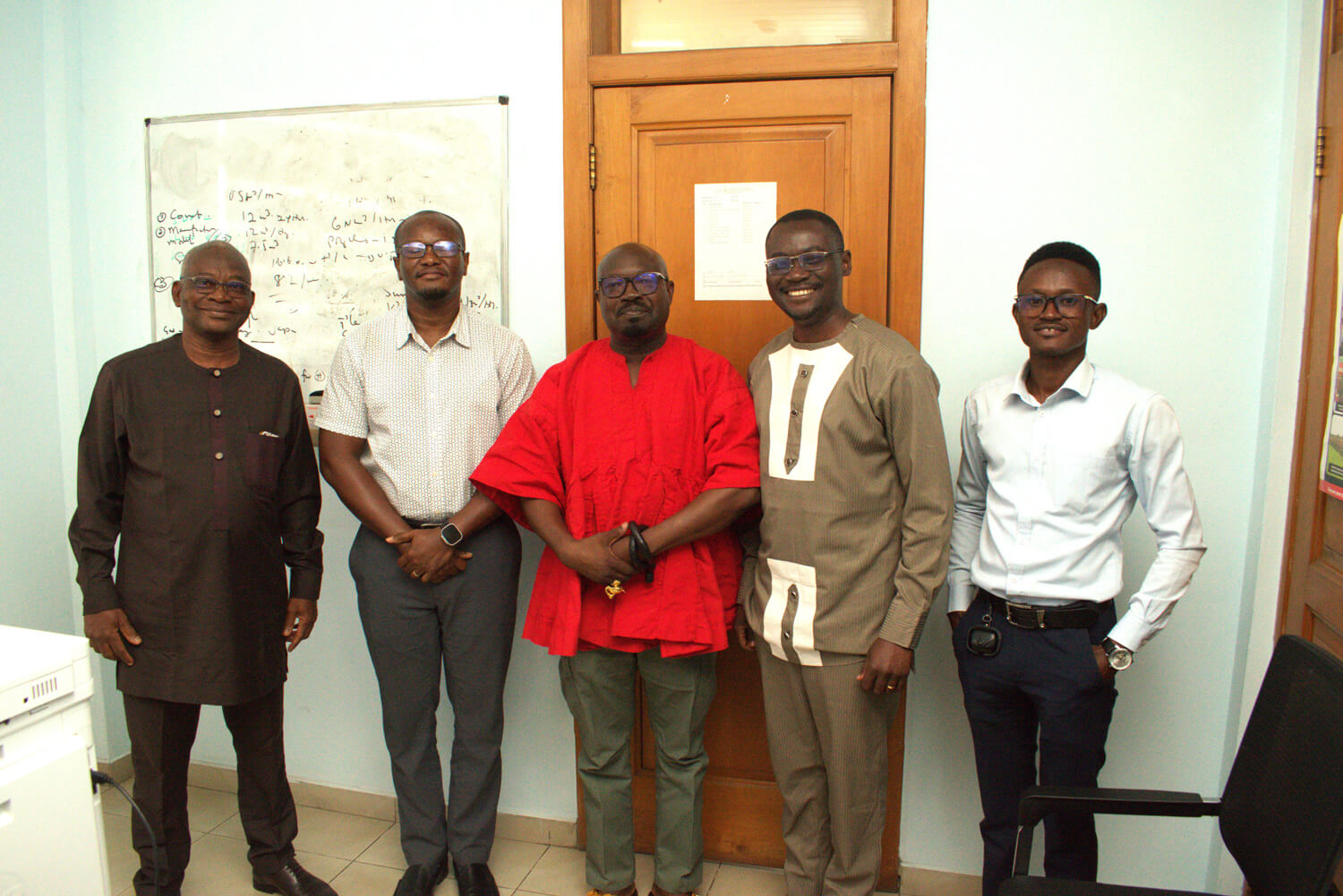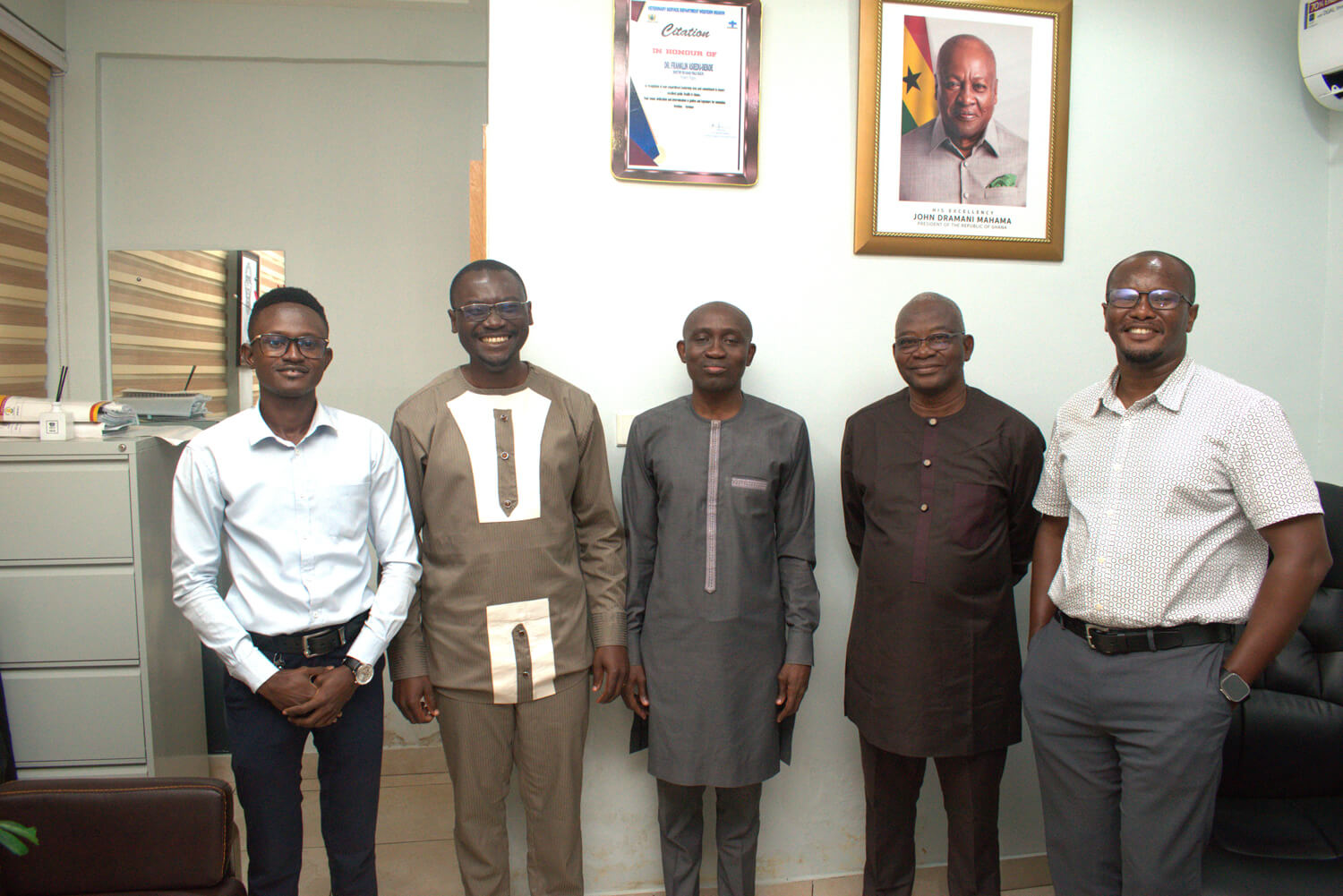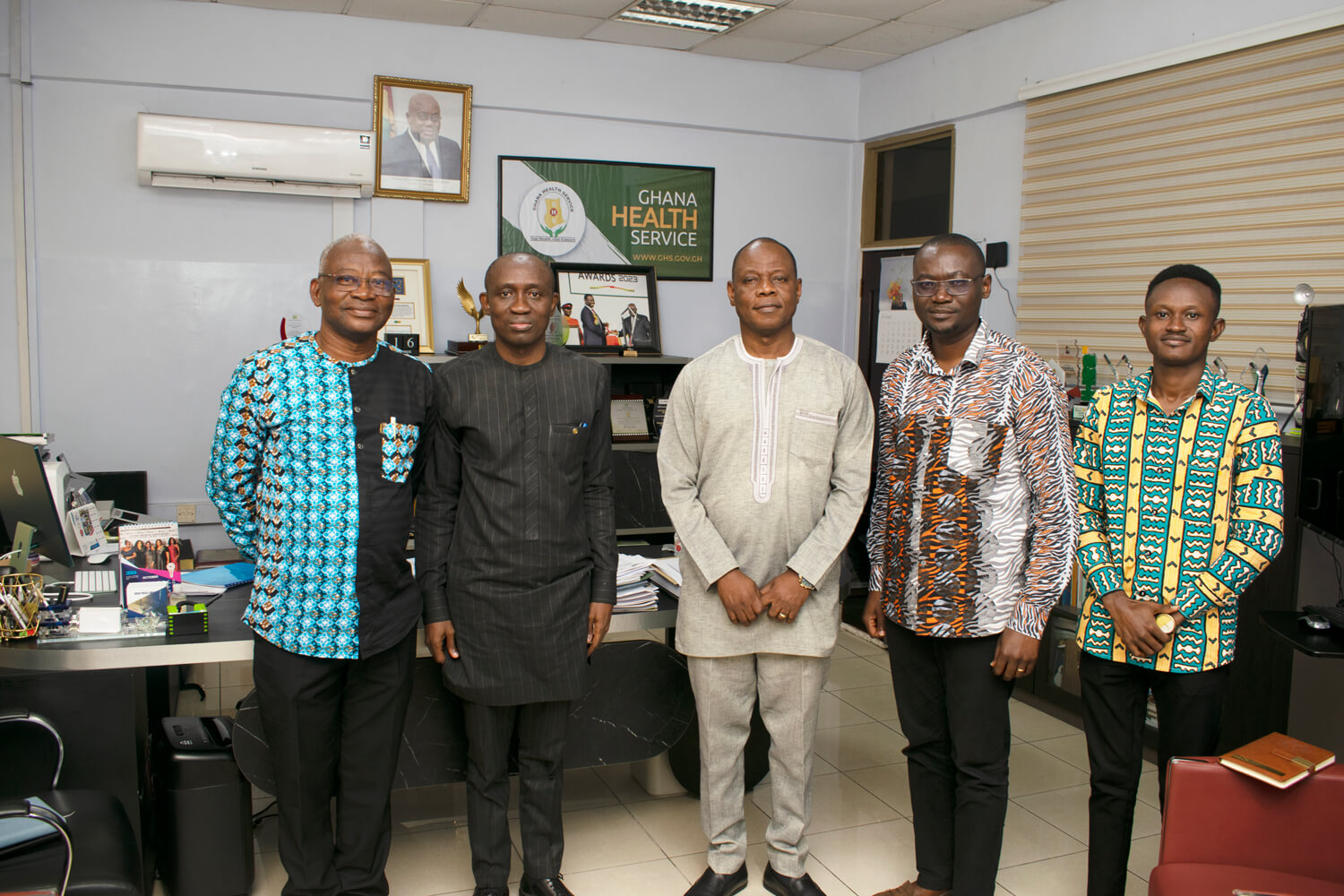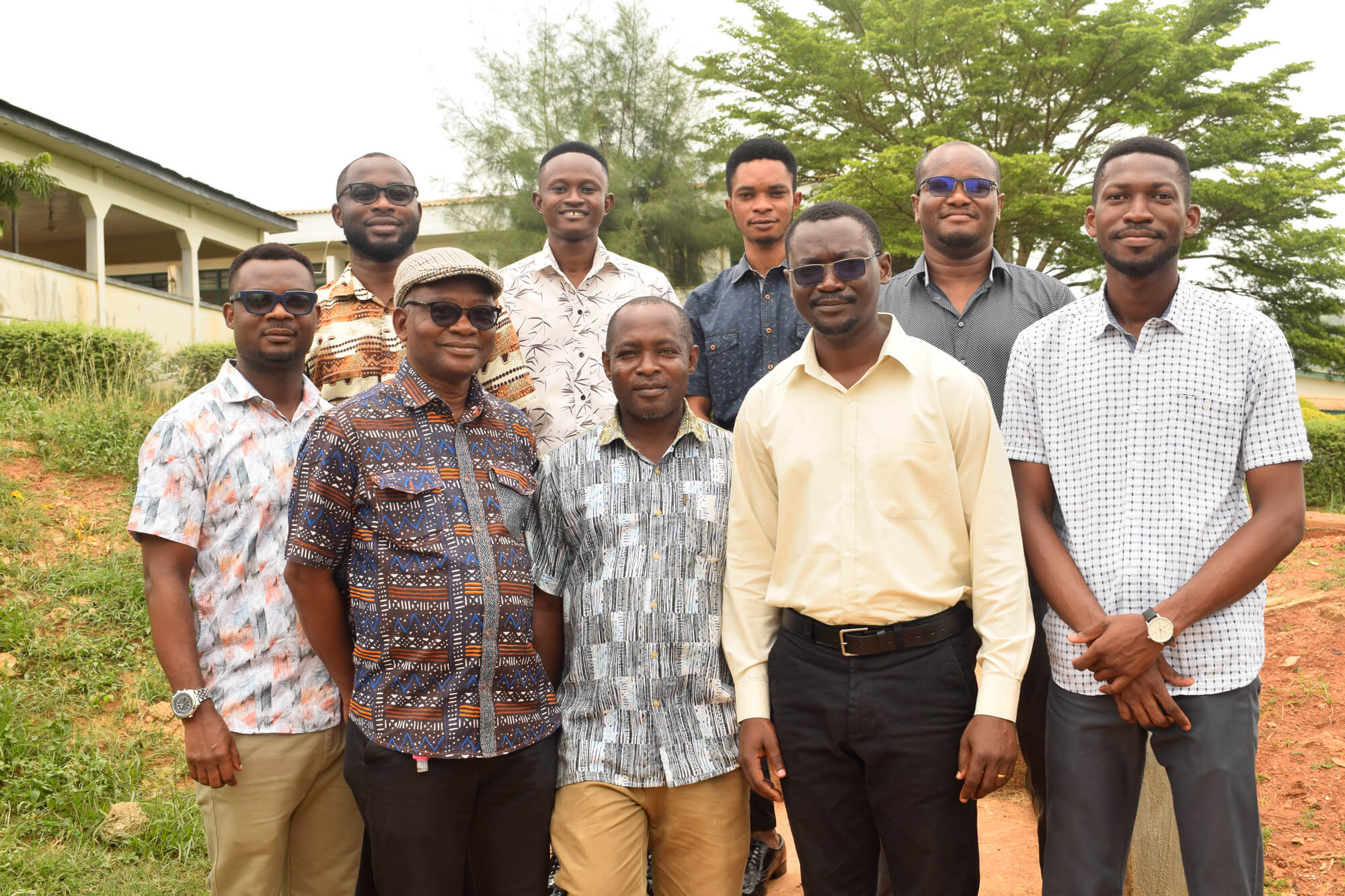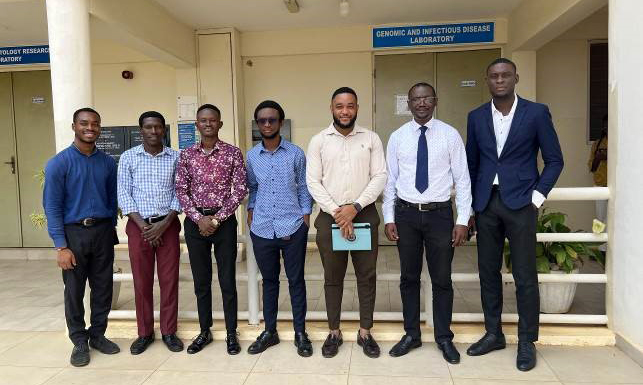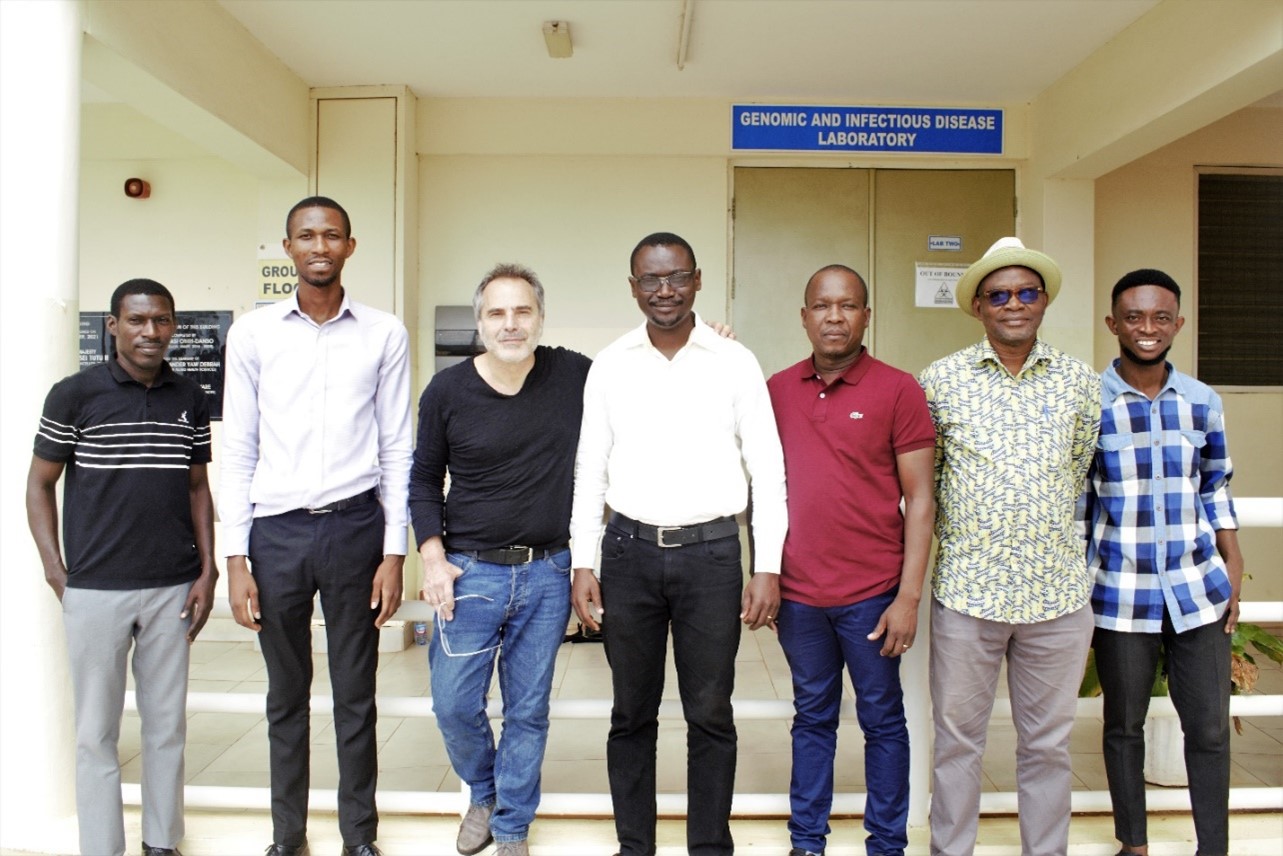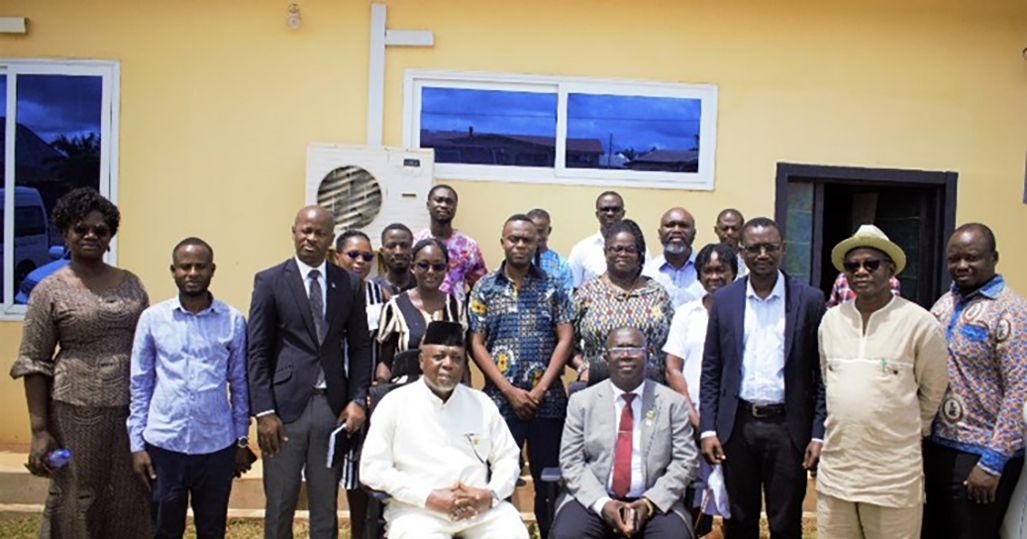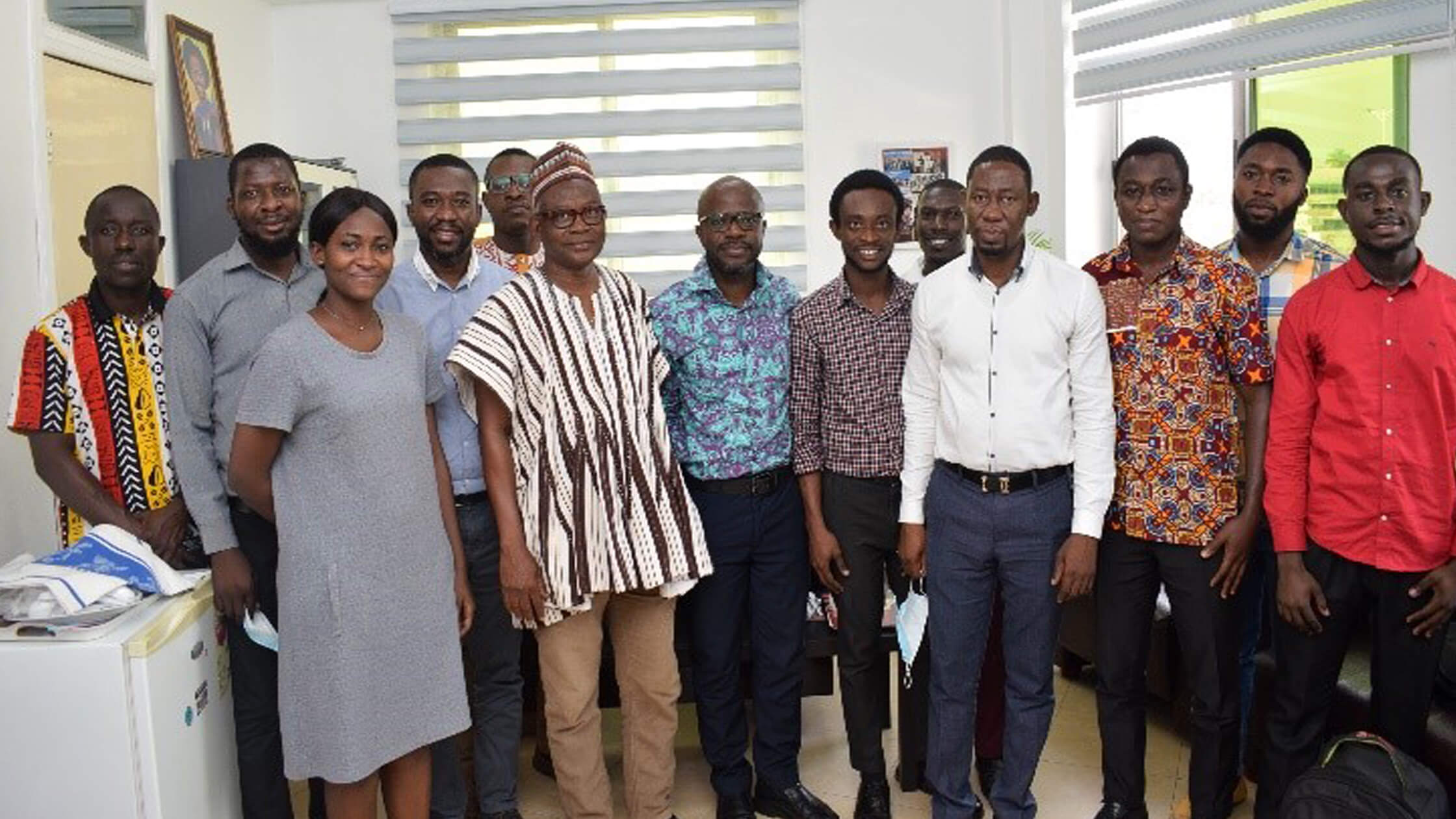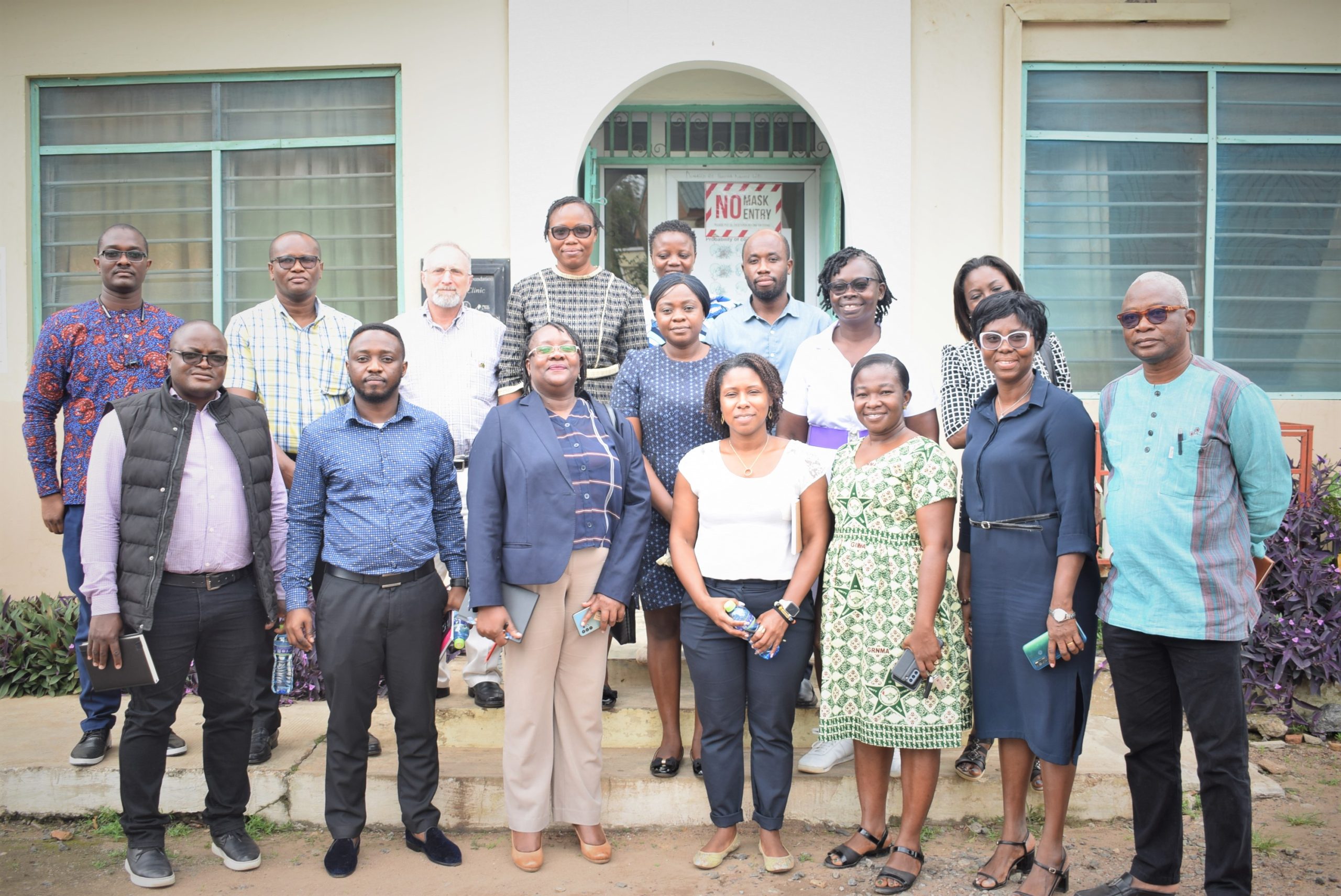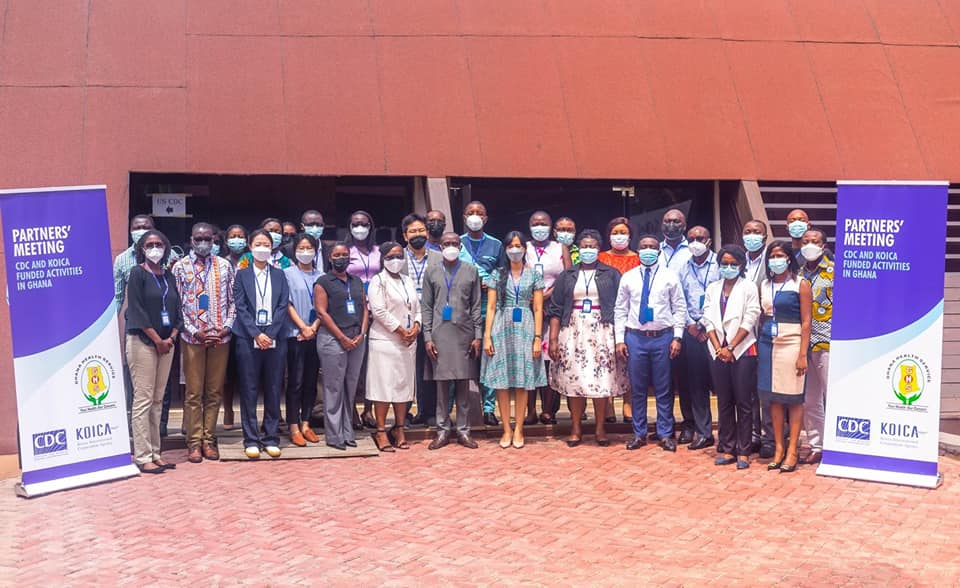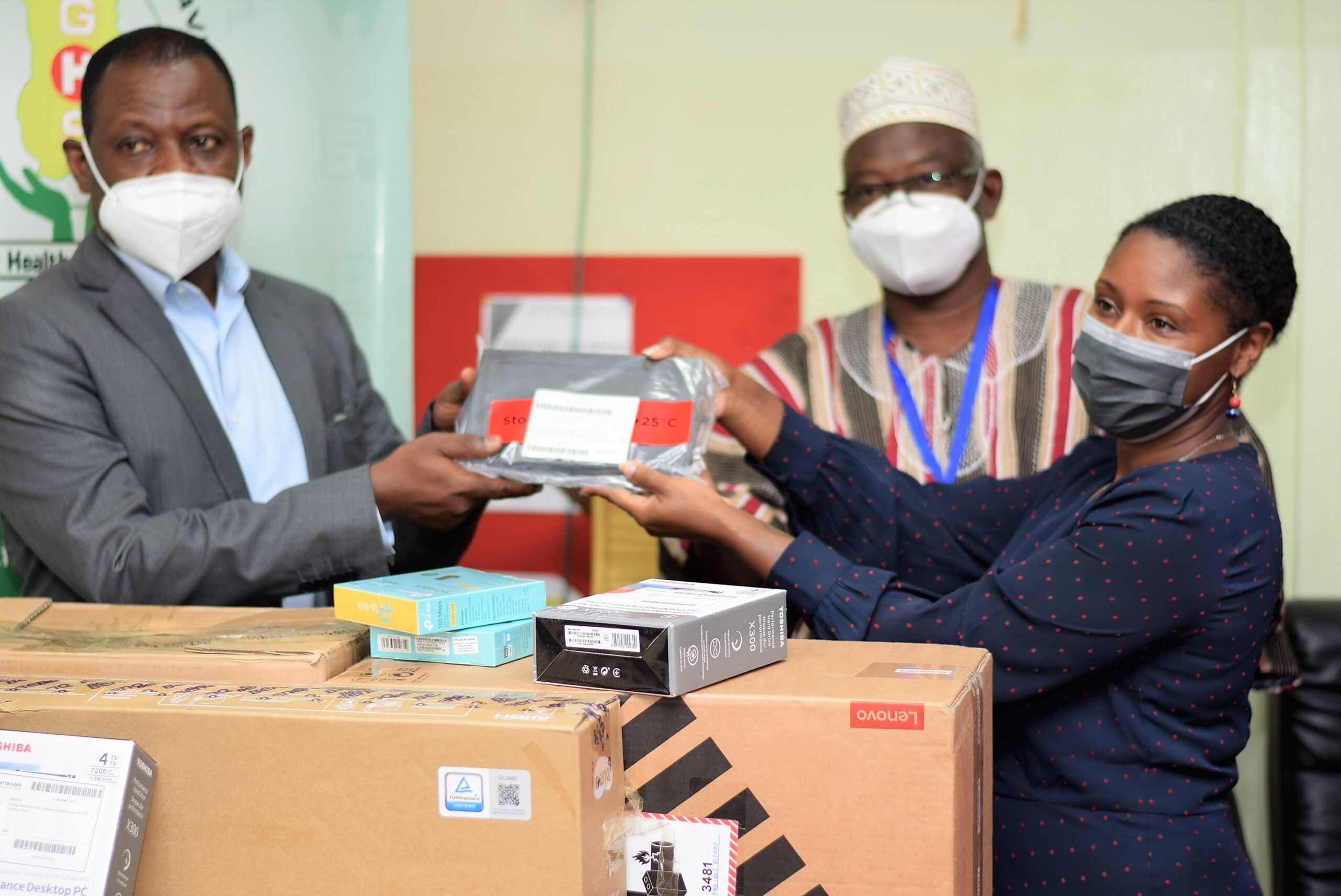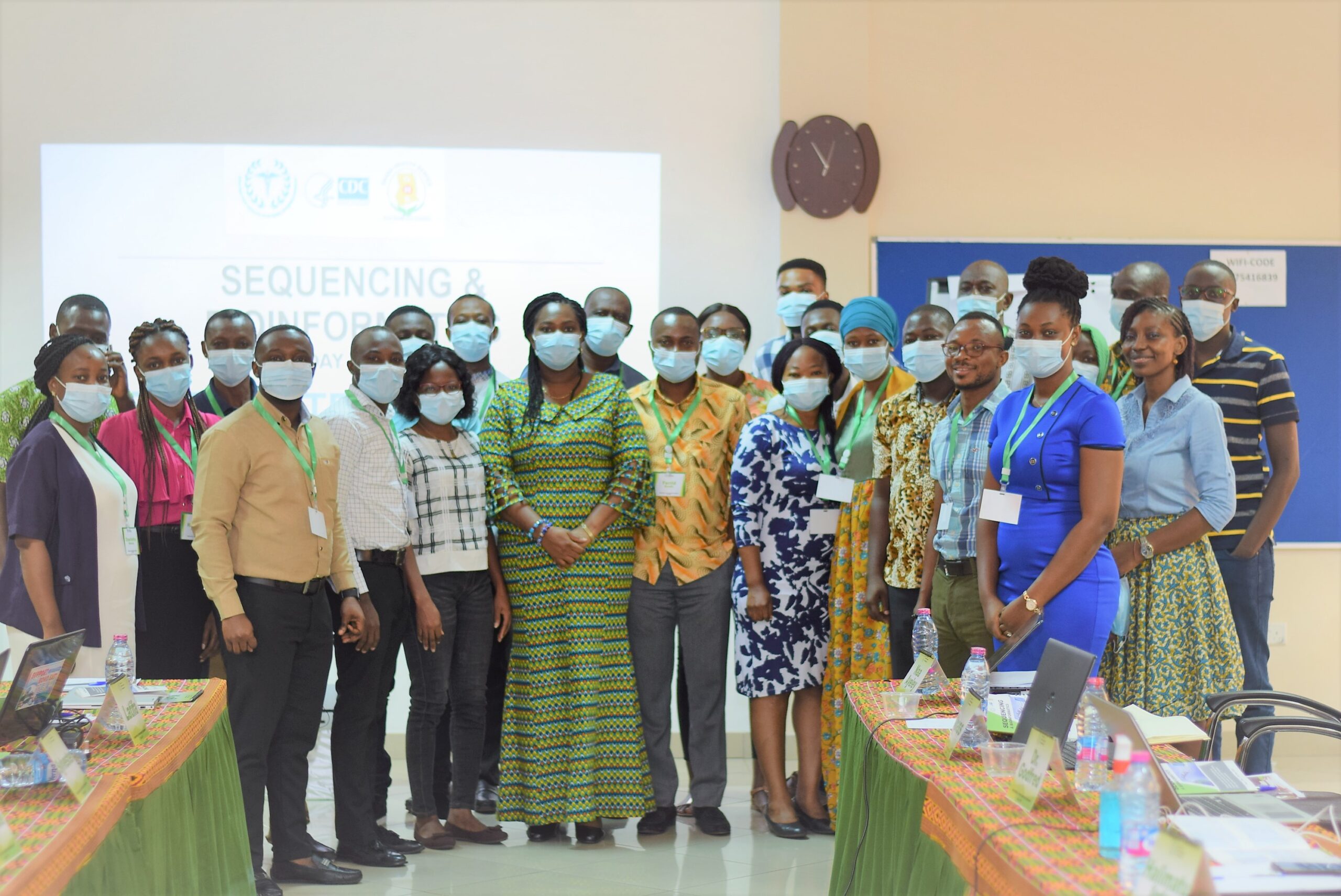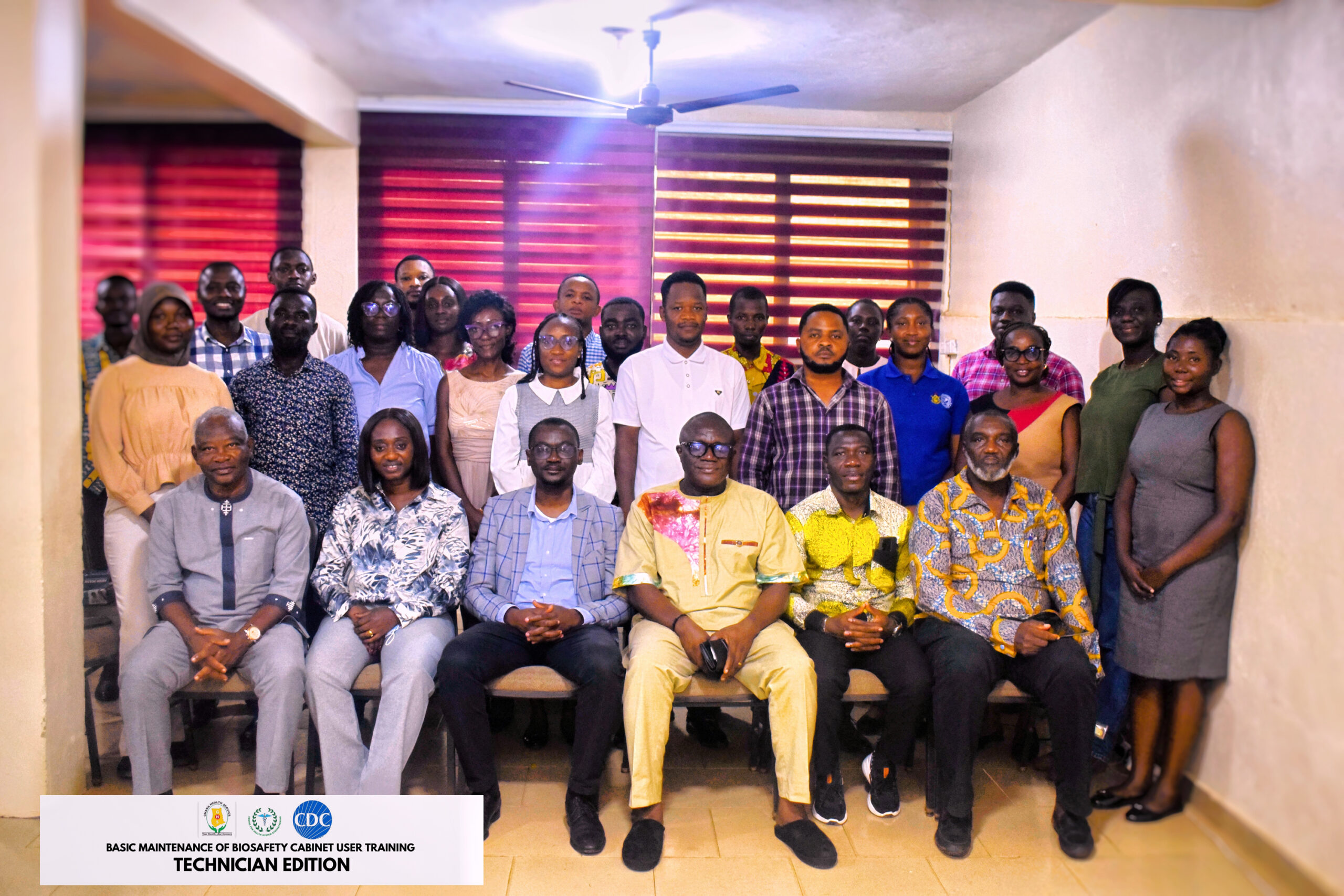
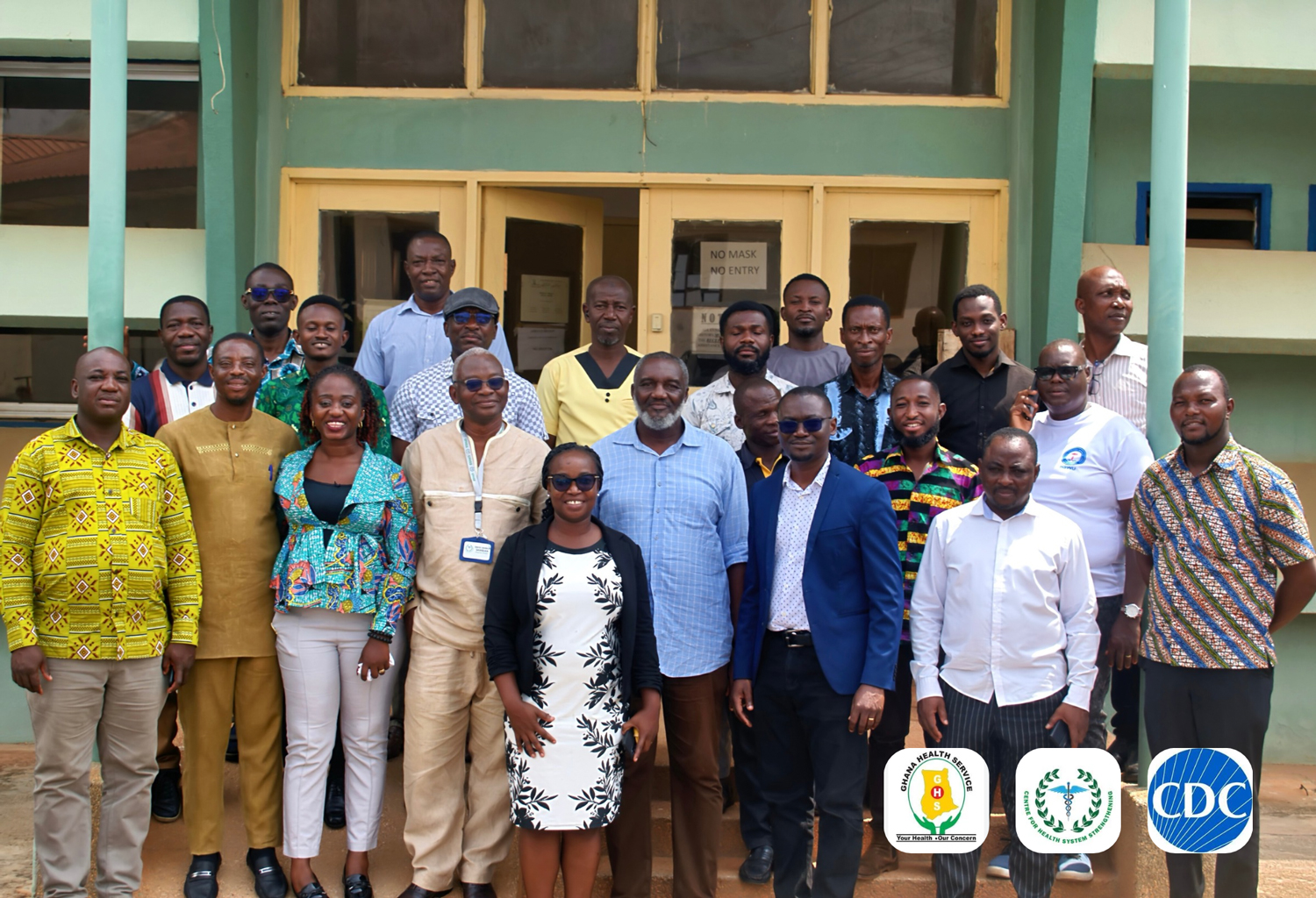
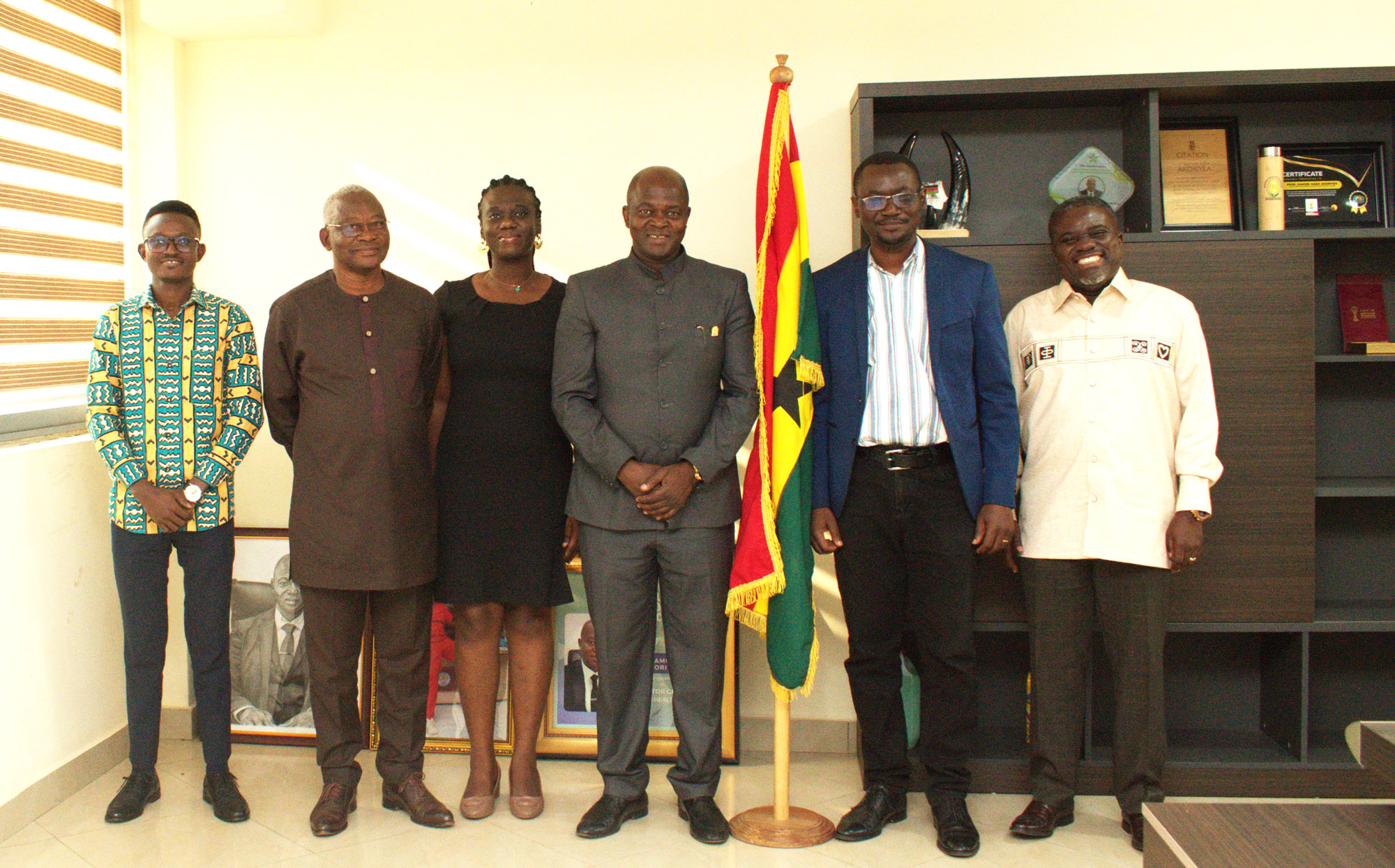
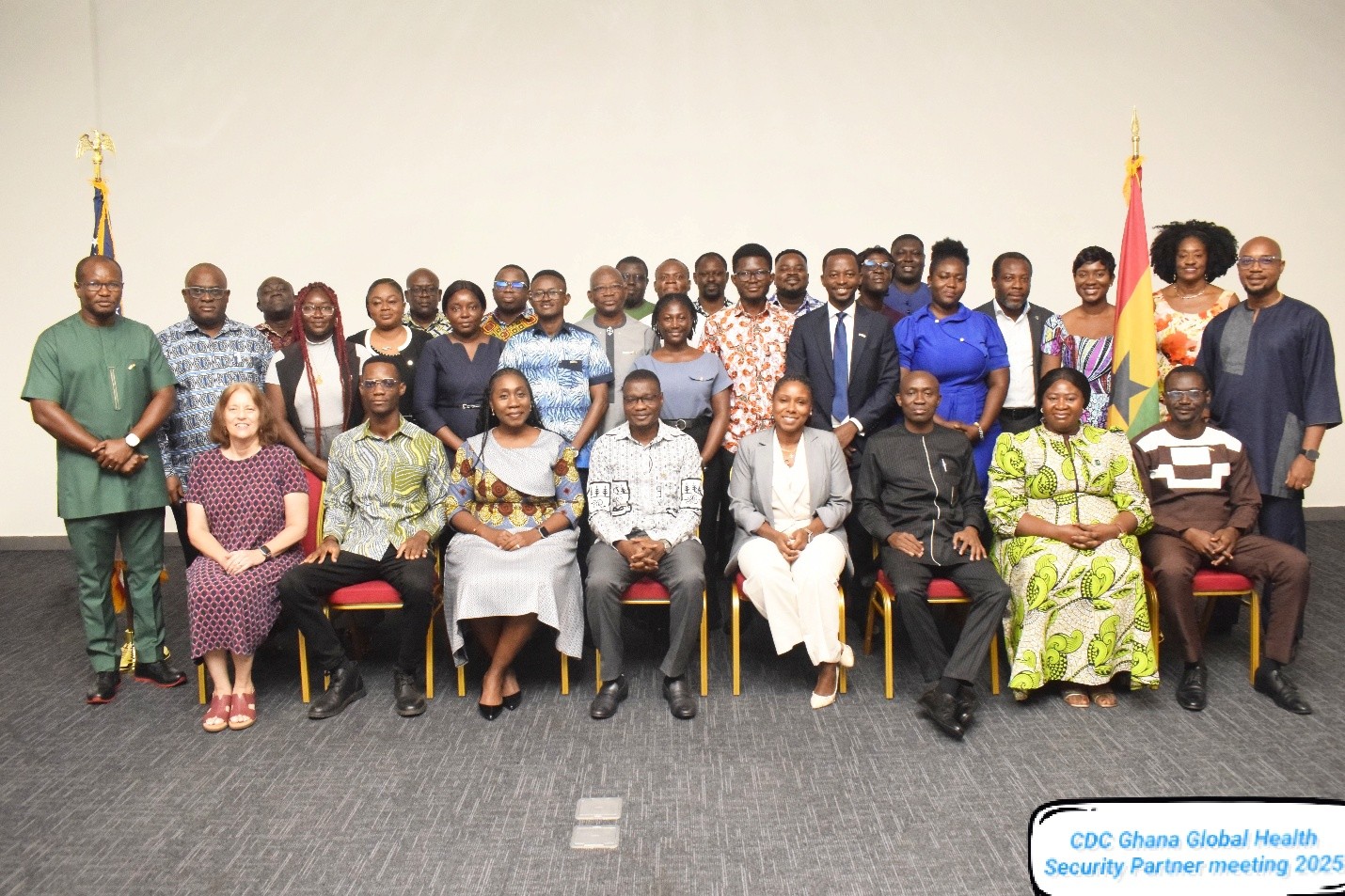
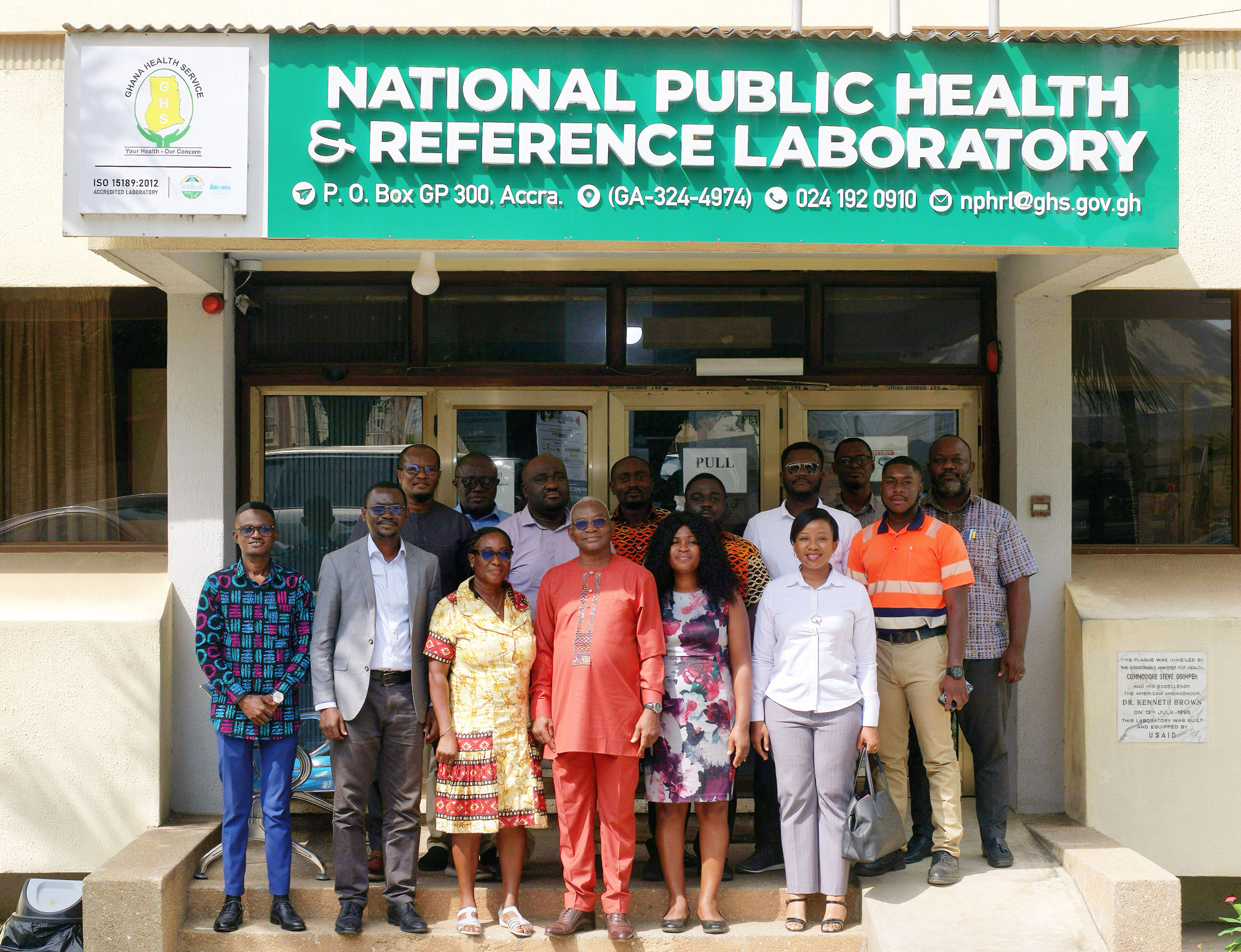
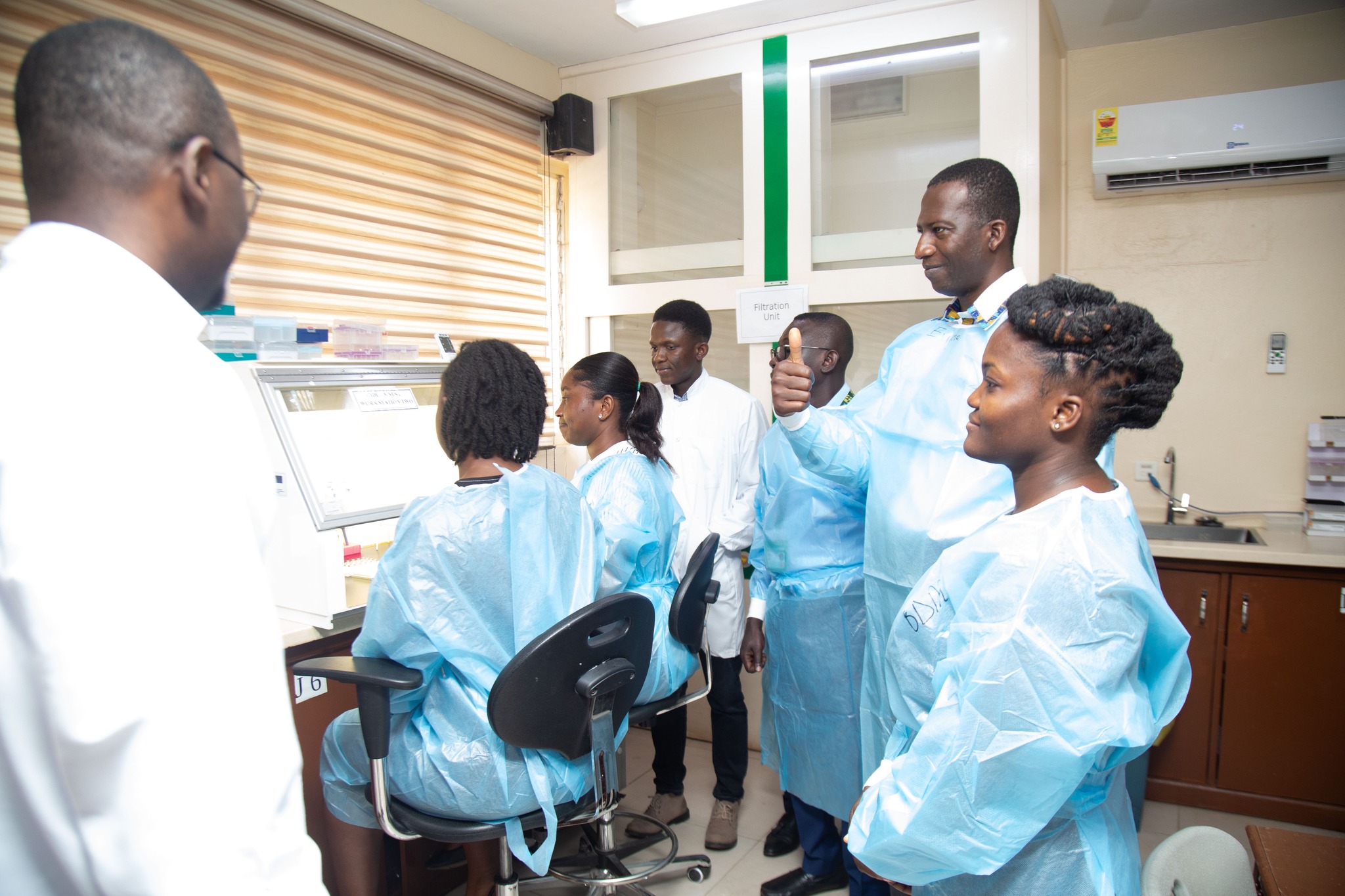
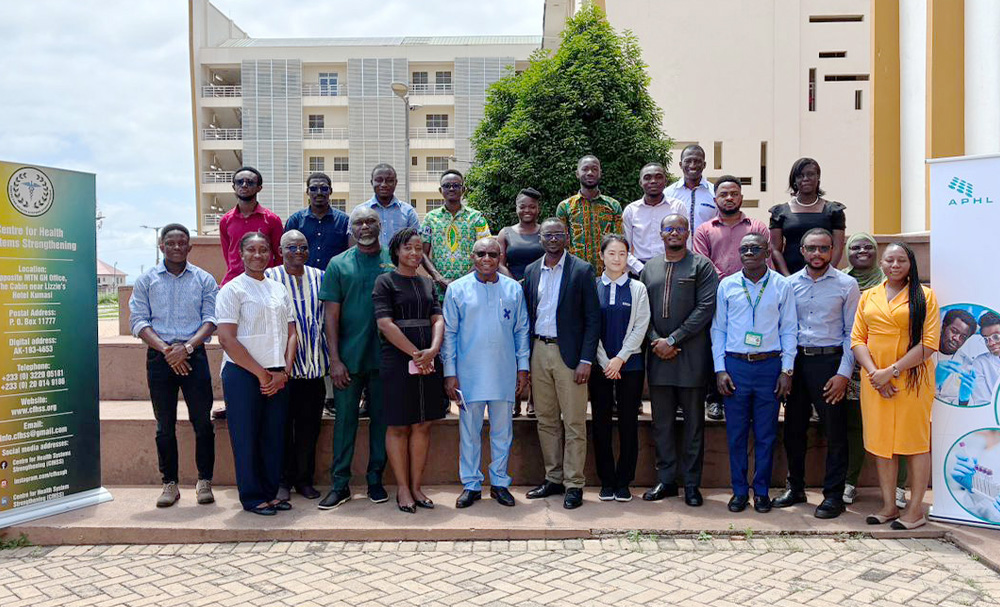

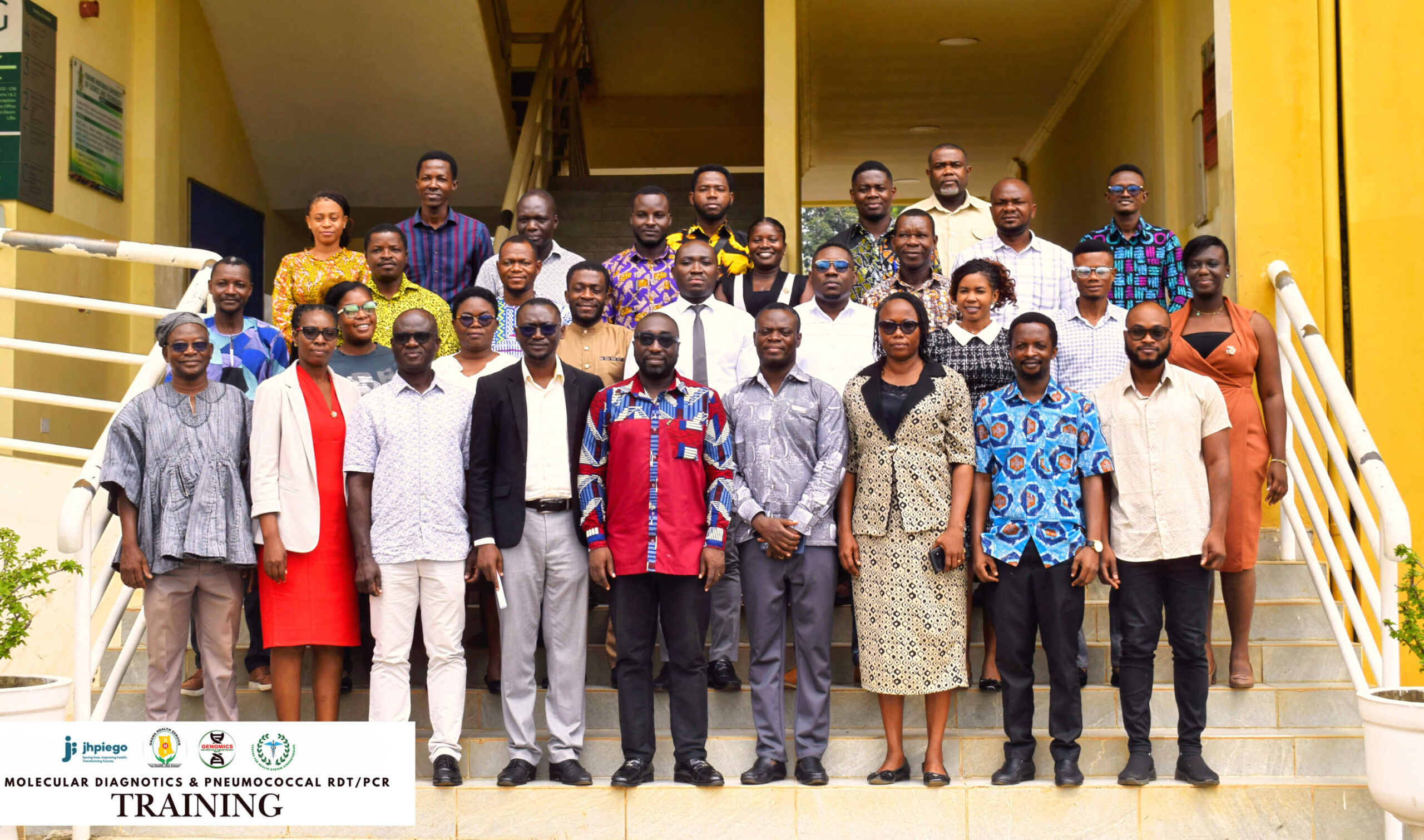
The Centre for Health System Strengthening (CfHSS), in collaboration with the Genomic and Infectious Disease Laboratory (GIDL-KNUST), and Ghana Health Service (GHS), with support from JHPIEGO, successfully conducted a national training on Molecular Diagnostics for Pneumococcal Pathogen Testing from 18th to 23rd May 2026 at Kwame Nkrumah University of Science and Technology (KNUST), Kumasi.
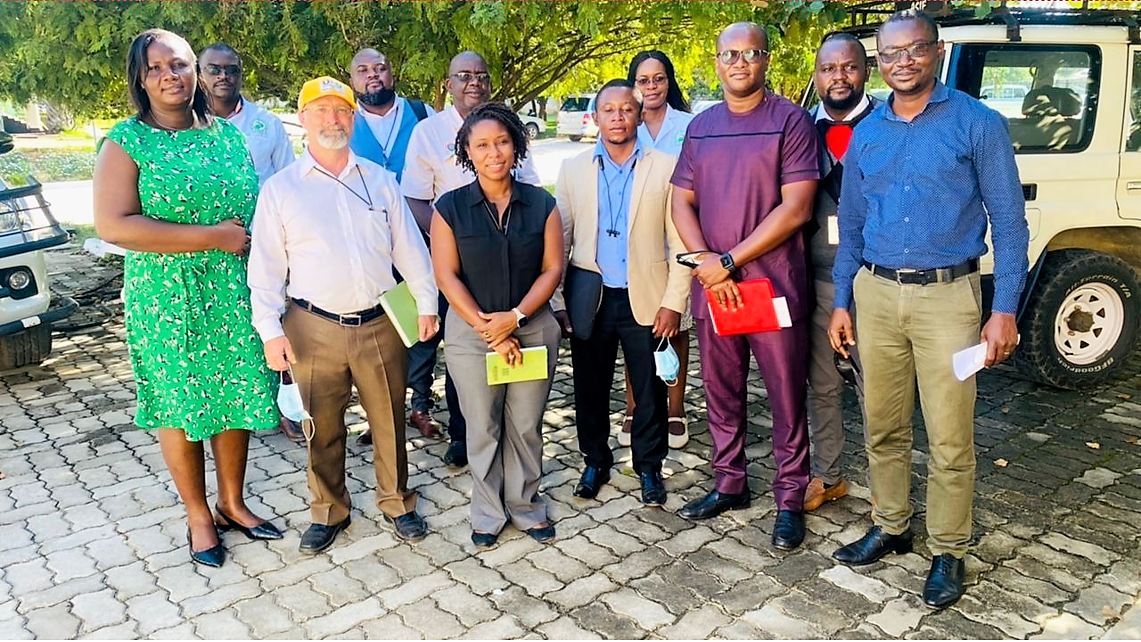
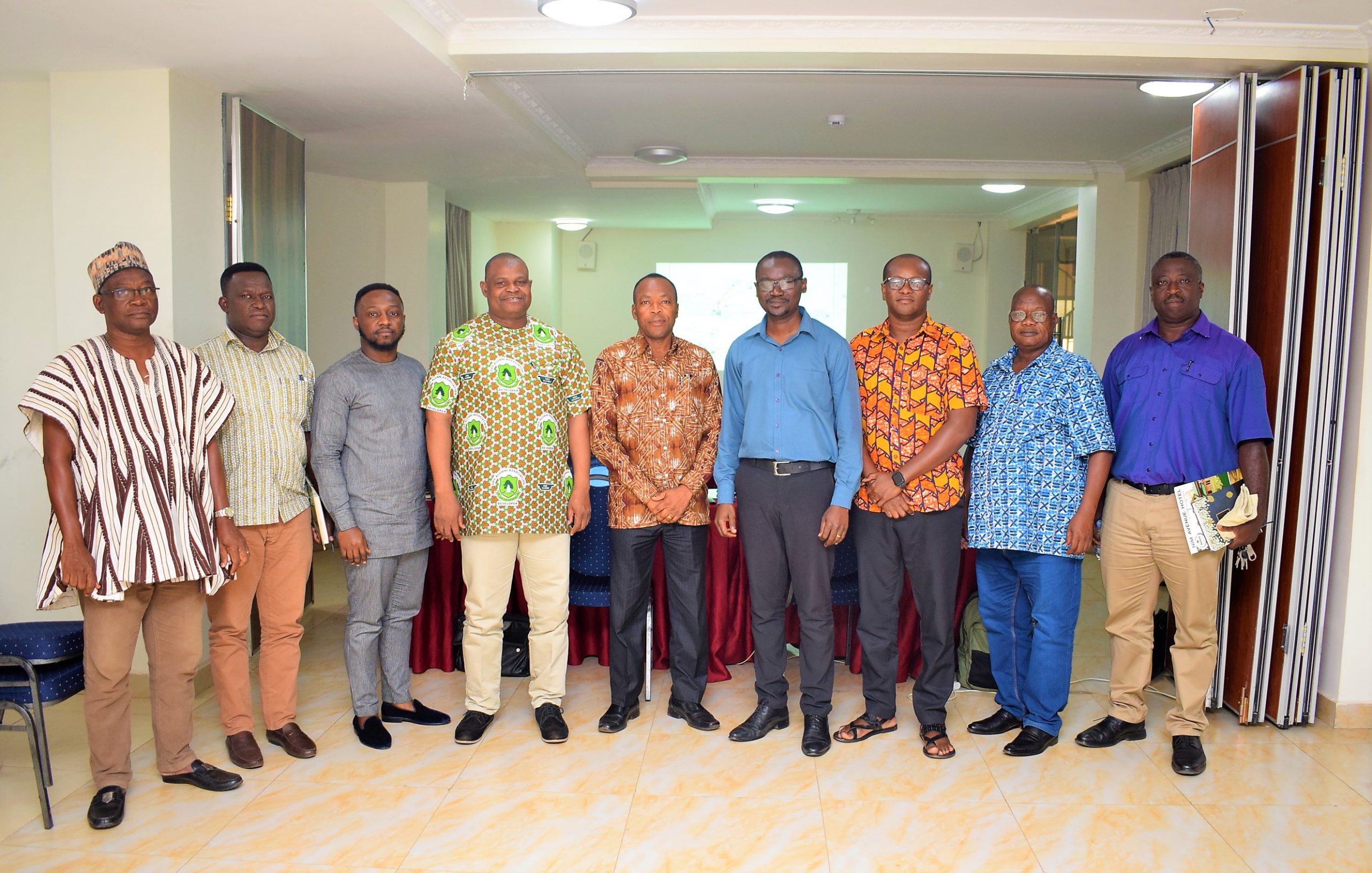
The training brought together 41 laboratory professionals from public health laboratories, hospitals, research institutions, veterinary laboratories, and private diagnostic facilities across multiple regions of Ghana.
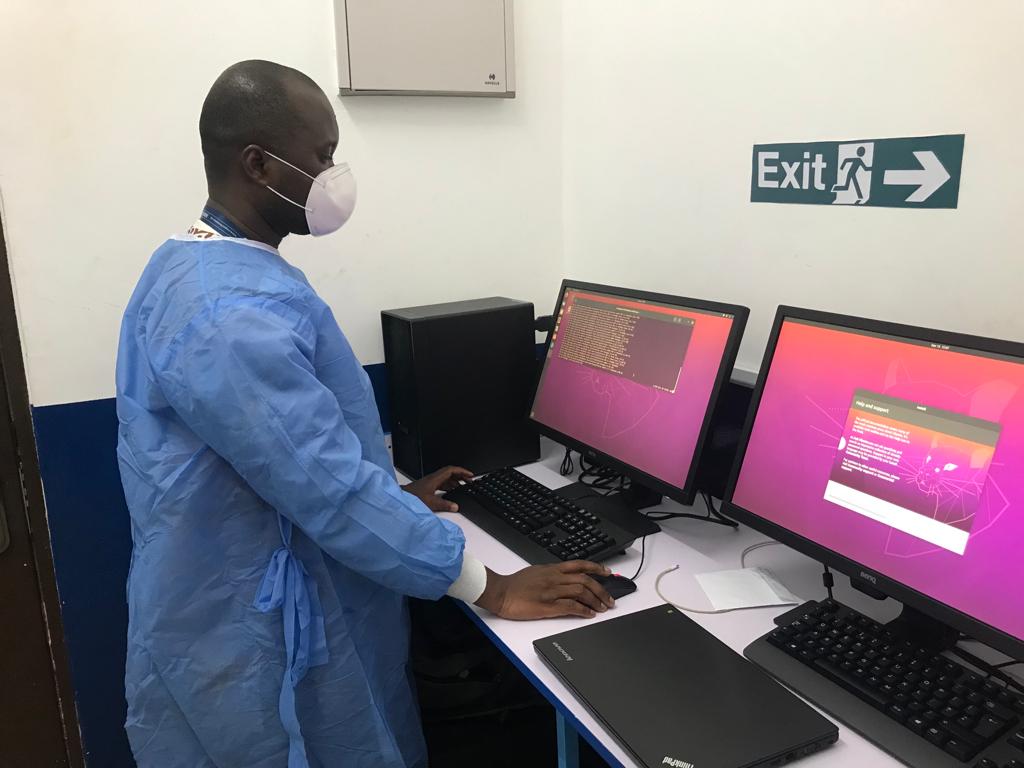
The training was designed to strengthen participants’ knowledge and practical skills in molecular diagnostics, with emphasis on pneumococcal rapid diagnostic testing (RDT), nucleic acid extraction, PCR workflows, gel electrophoresis, quality assurance and quality control (QA/QC), biosafety practices, and molecular result interpretation.
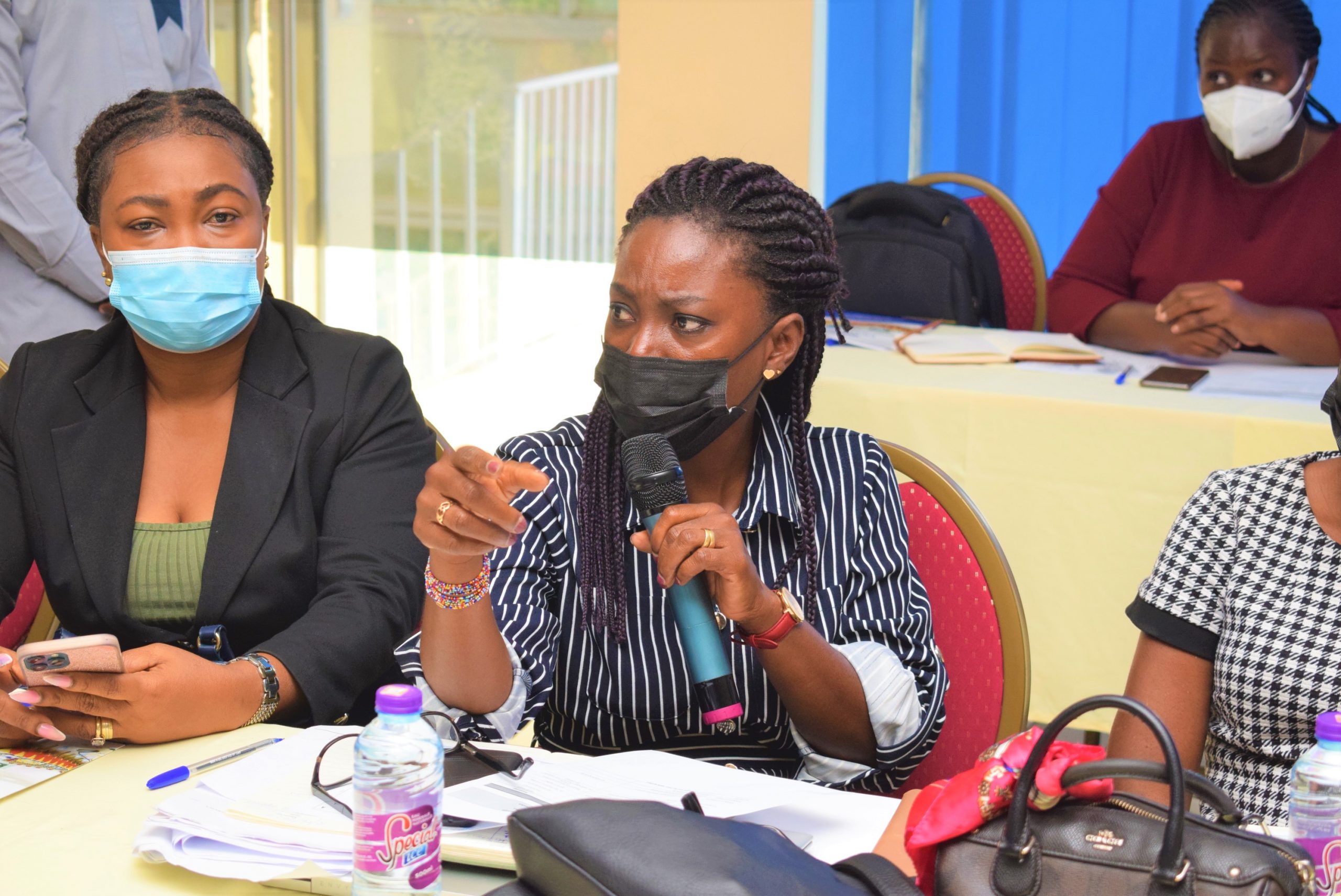
A key feature of the training was its blended learning approach, combining classroom instruction with hands-on laboratory practical sessions and scenario-based group activities. Participants worked through real-world public health and laboratory challenges, strengthening their ability to troubleshoot diagnostic issues, interpret molecular results, and apply quality management principles in routine laboratory practice.
The multidisciplinary nature of the training also encouraged peer learning and experience sharing among professionals from different sectors of Ghana’s laboratory system.
Measurable Improvement in Knowledge and Skills
Assessment results demonstrated a positive impact on participant learning. The average test score increased from 26.2/30 during the pre-test to 28.5/30 during the post-test, representing an improvement of approximately 8.5%. More than 80% of participants improved their performance following the training.
Participants also demonstrated increased confidence in PCR workflows, nucleic acid extraction, contamination prevention, gel electrophoresis interpretation, quality assurance practices, and molecular result interpretation.
Participant Engagement and Feedback
The training recorded high levels of participant satisfaction and engagement. Participants highlighted the practical laboratory sessions, case studies, and group discussions as the most valuable components of the program. Many noted that the exercises helped bridge the gap between theoretical concepts and real-world laboratory application.
The strong participation and positive feedback reinforce the importance of continued investment in workforce development to support Ghana’s laboratory strengthening agenda and improve preparedness for emerging and re-emerging infectious disease threats.
Training Highlights Video
Looking Ahead
CfHSS remains committed to supporting capacity-building initiatives that strengthen diagnostic systems, enhance workforce competency, and contribute to improved public health surveillance and outbreak response in Ghana. We are grateful to JHPIEGO, GHS, GIDL-KNUST, facilitators, and participants for their contributions to the success of this training.
Gallery


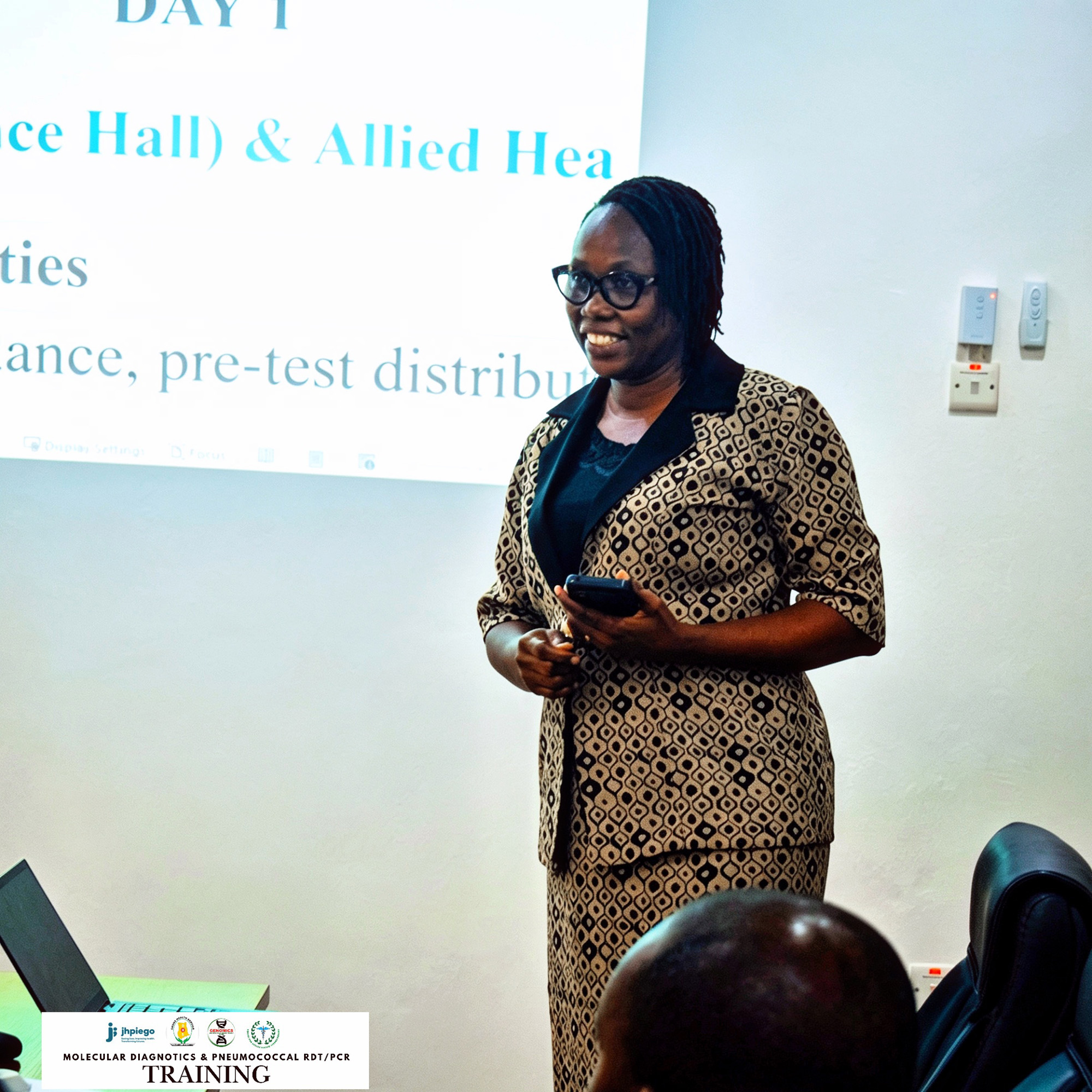
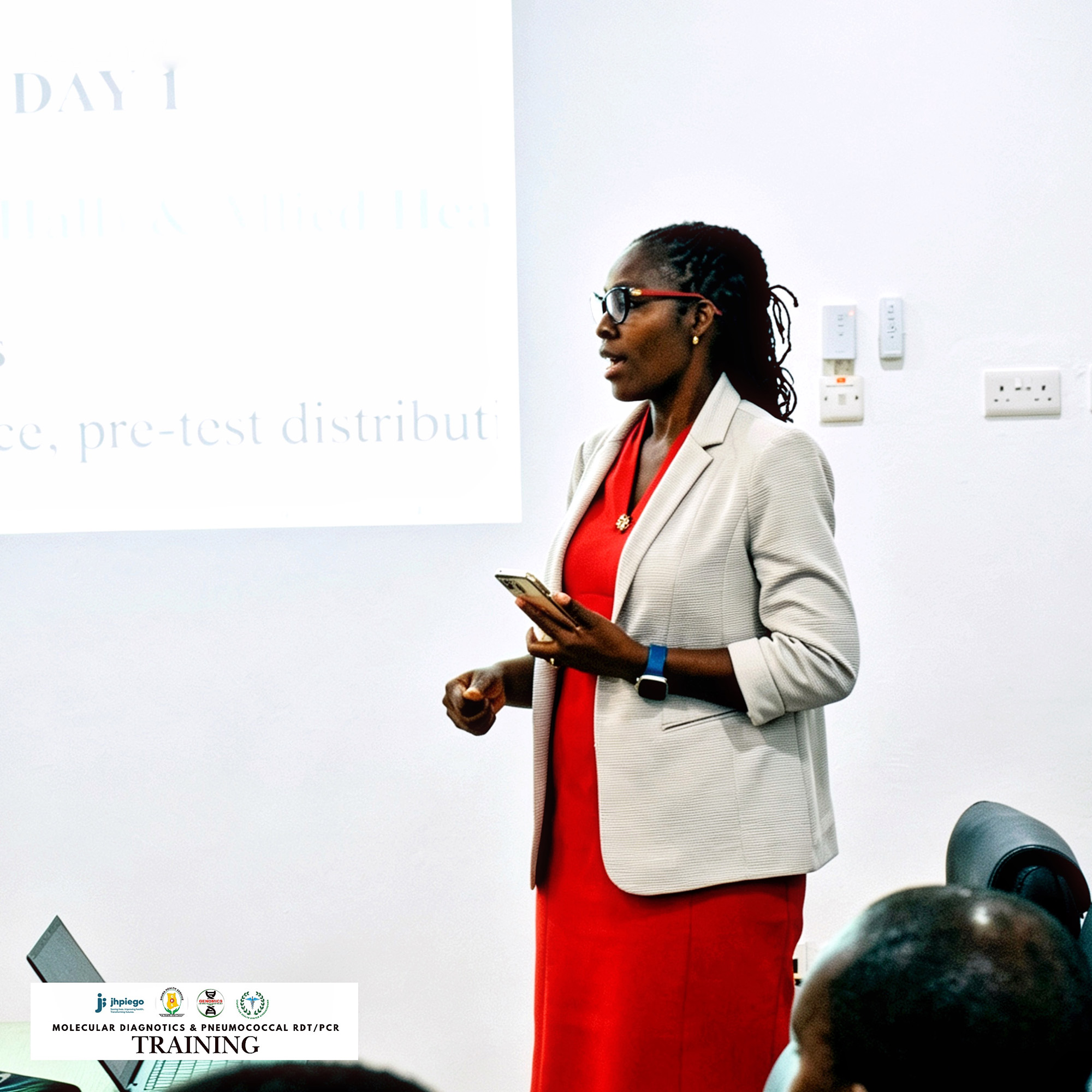

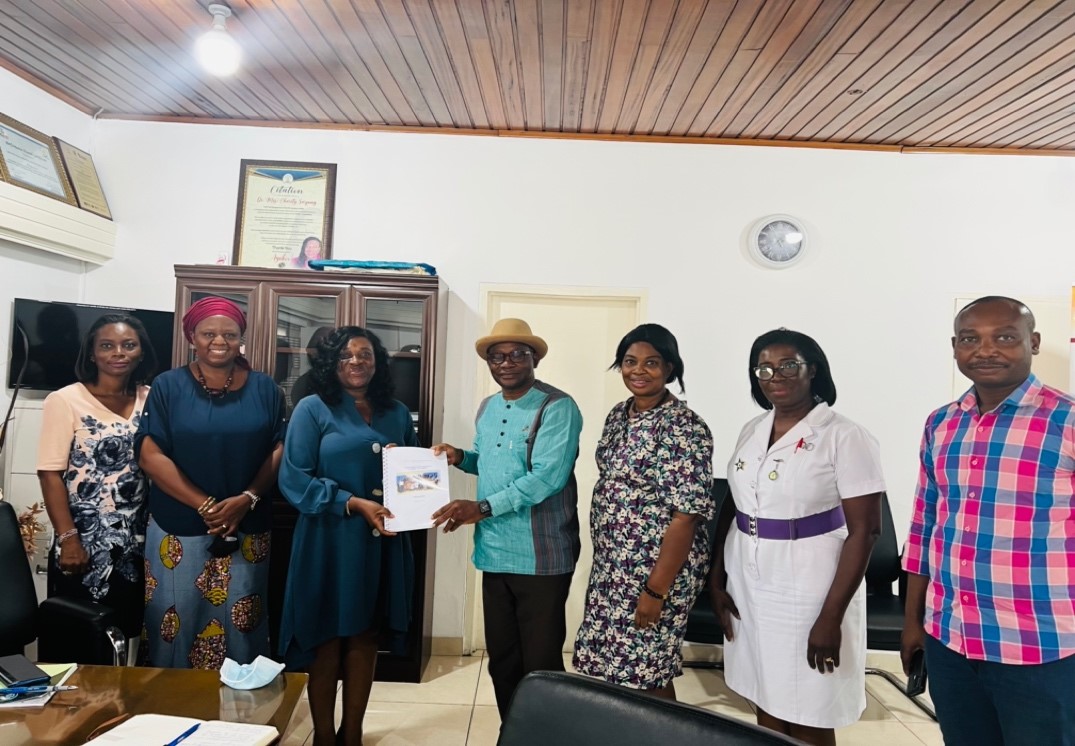
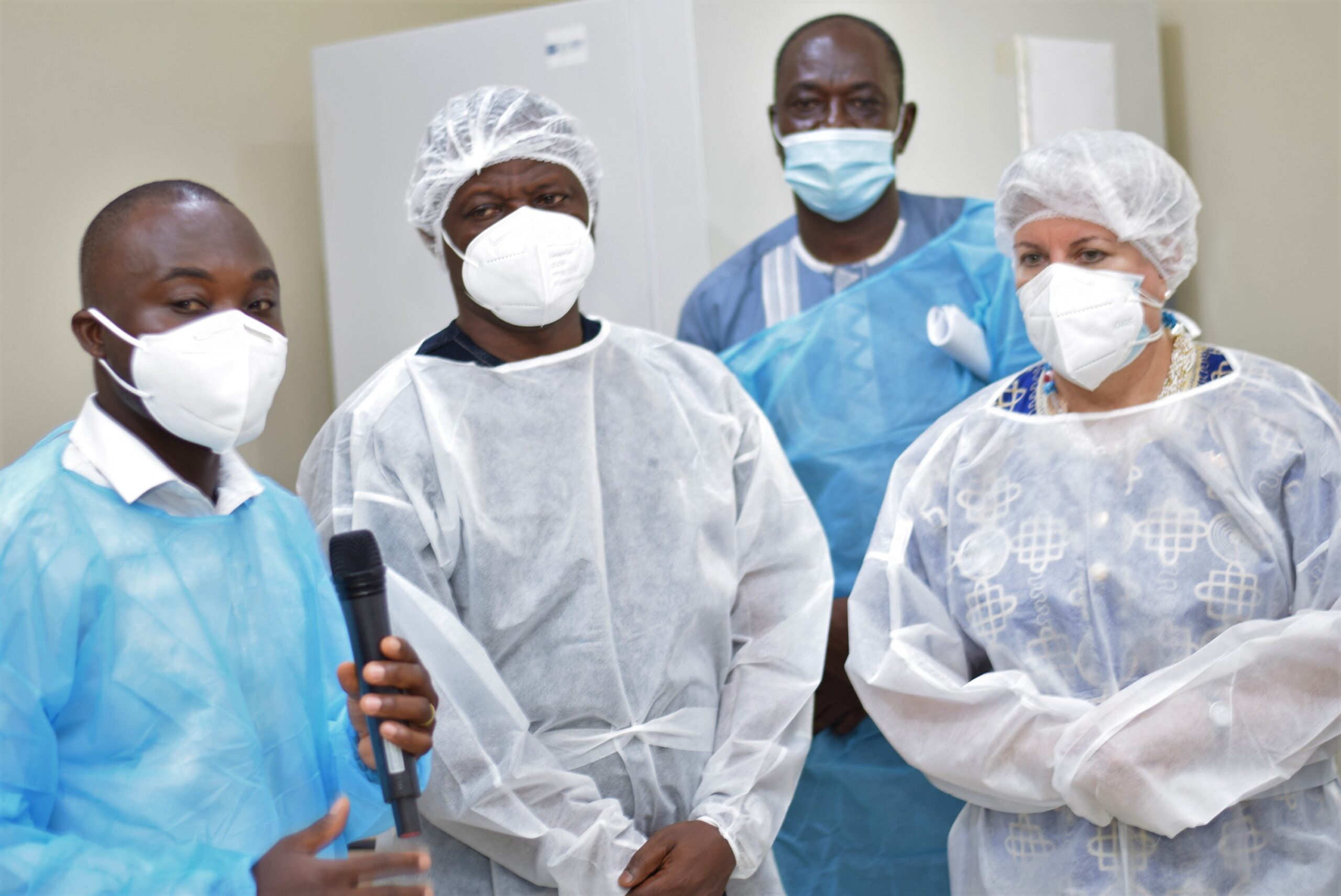
Introductory remarks from left to right by the Dean FAHS-KNUST, JHPIEGO, Ghana Health Service, Regional MLS and GIDL-KNUST.
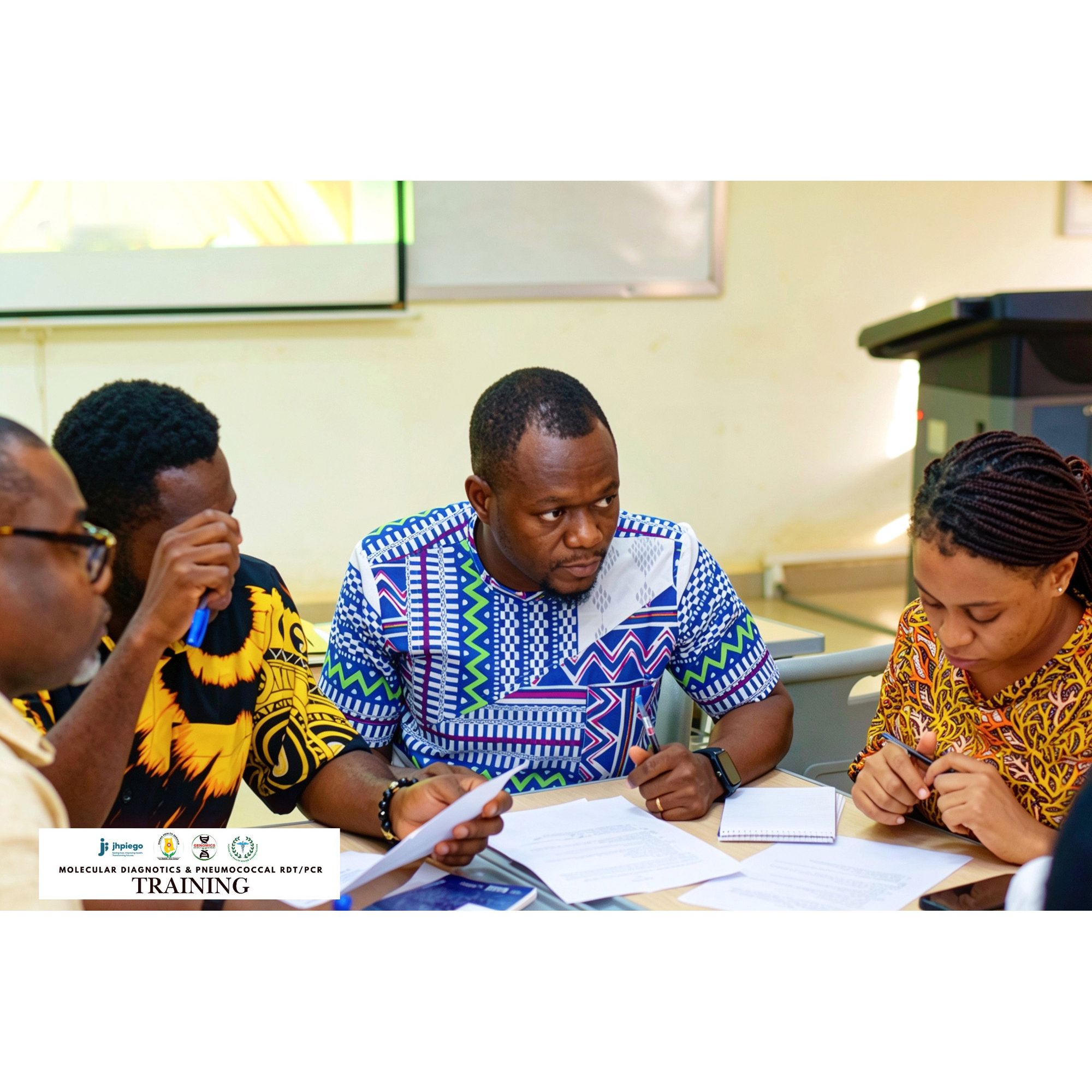
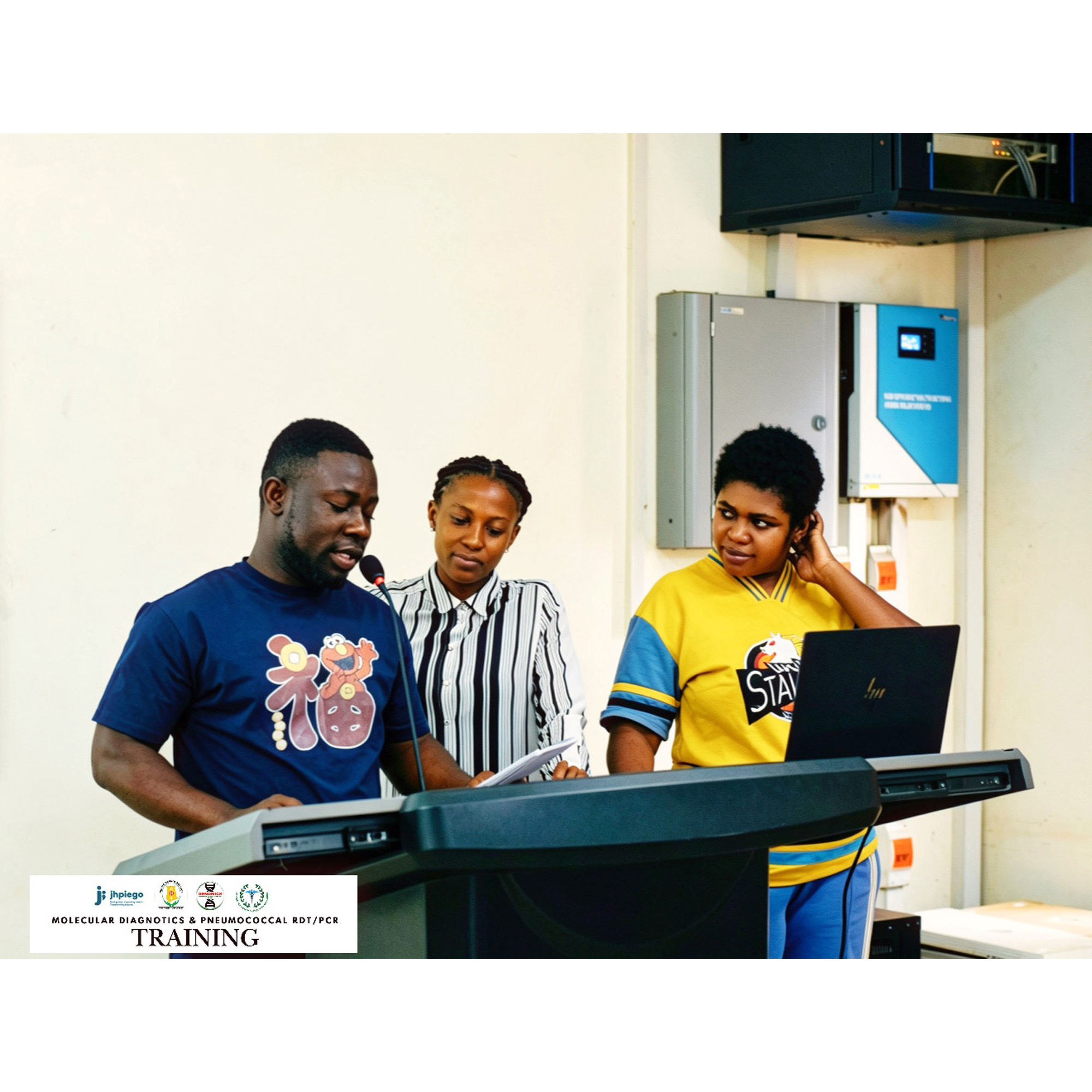
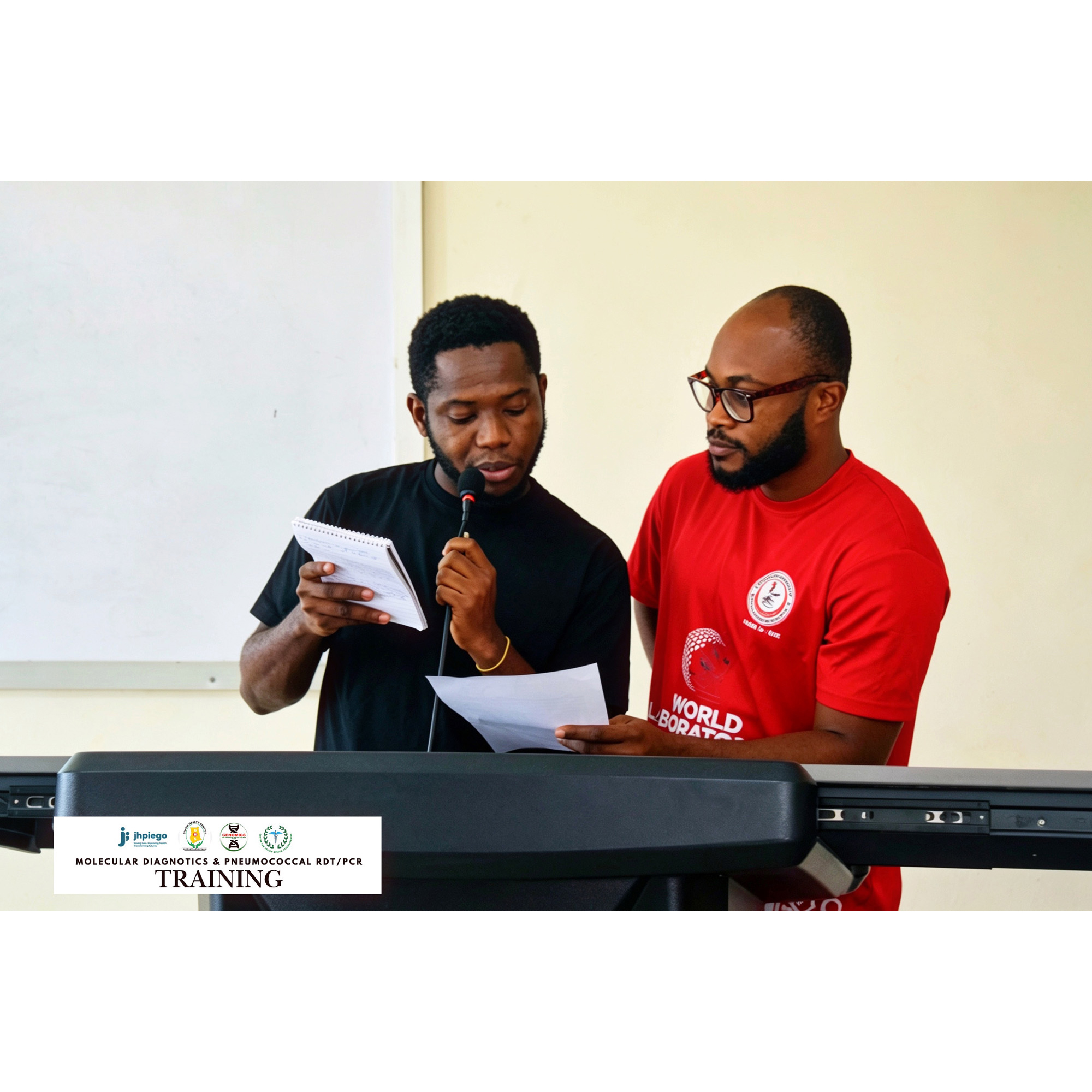
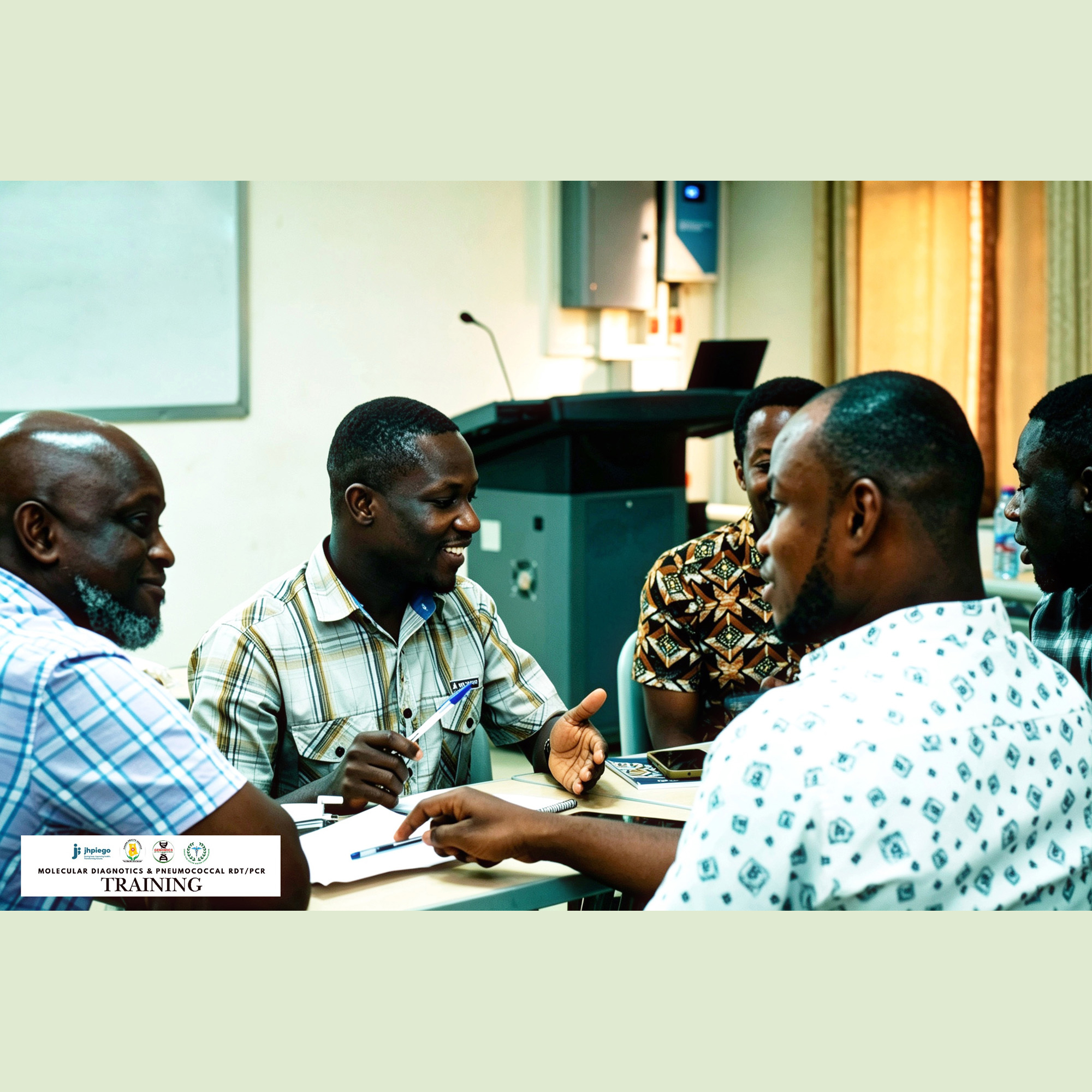
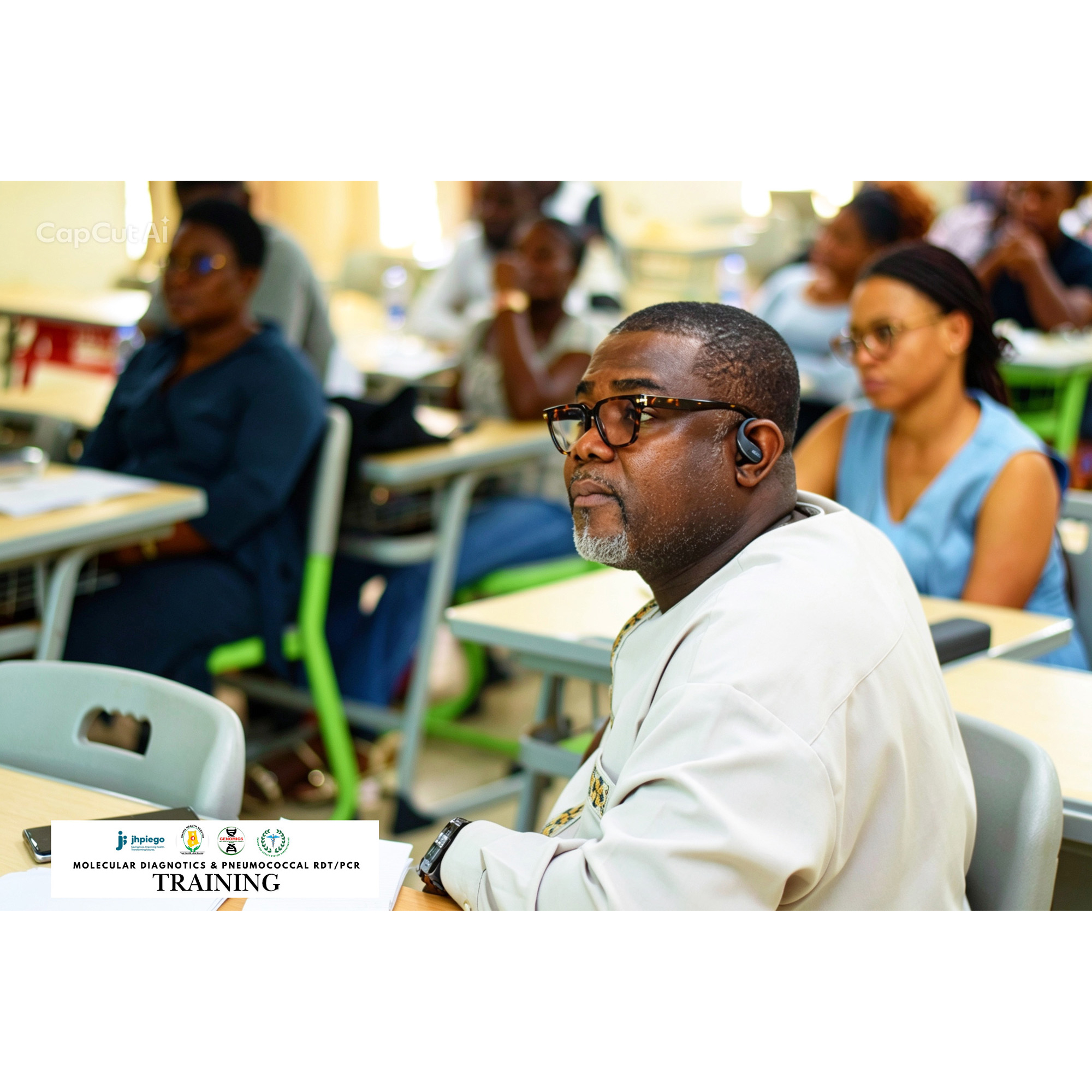


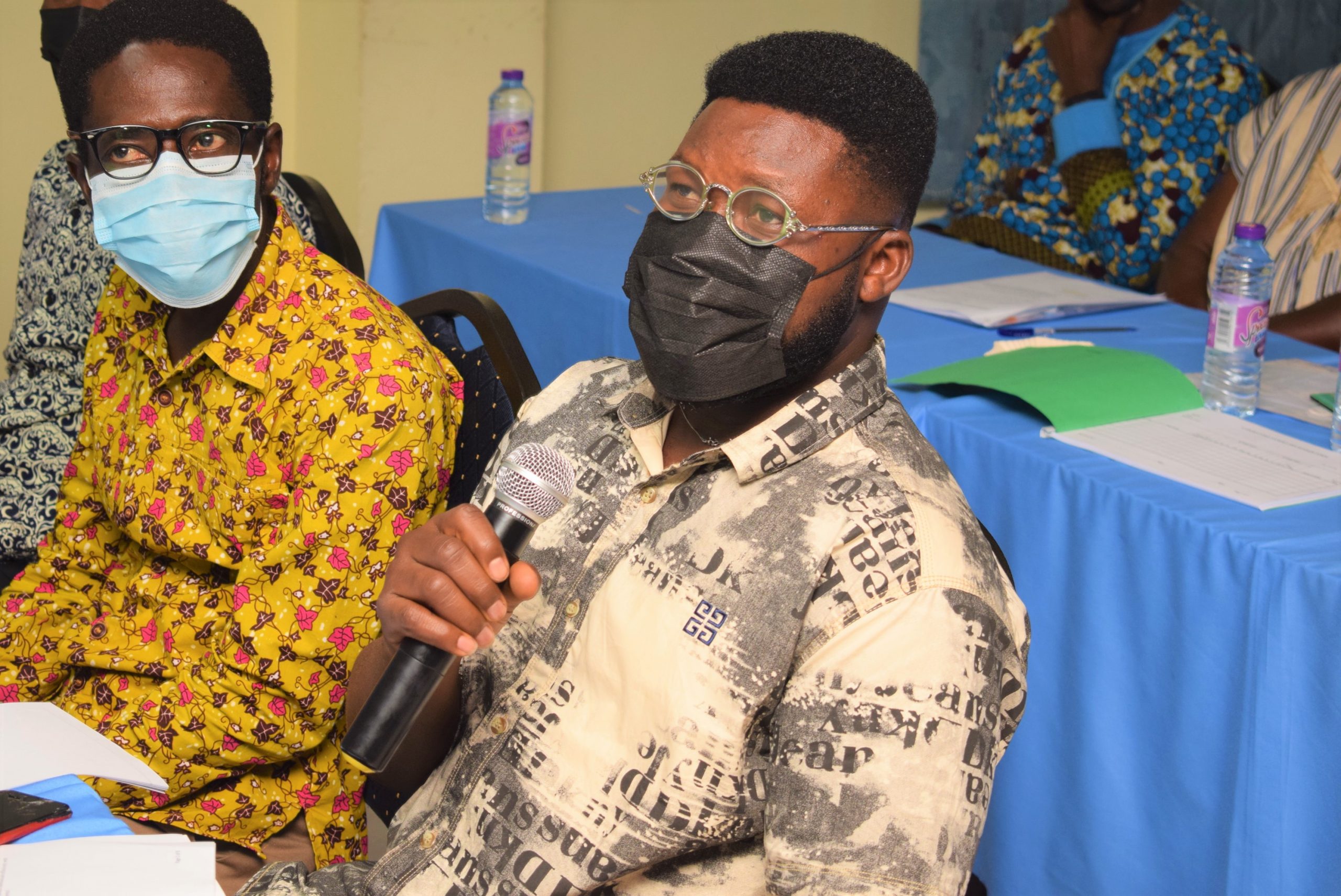
Group activities and plenary discussion sessions
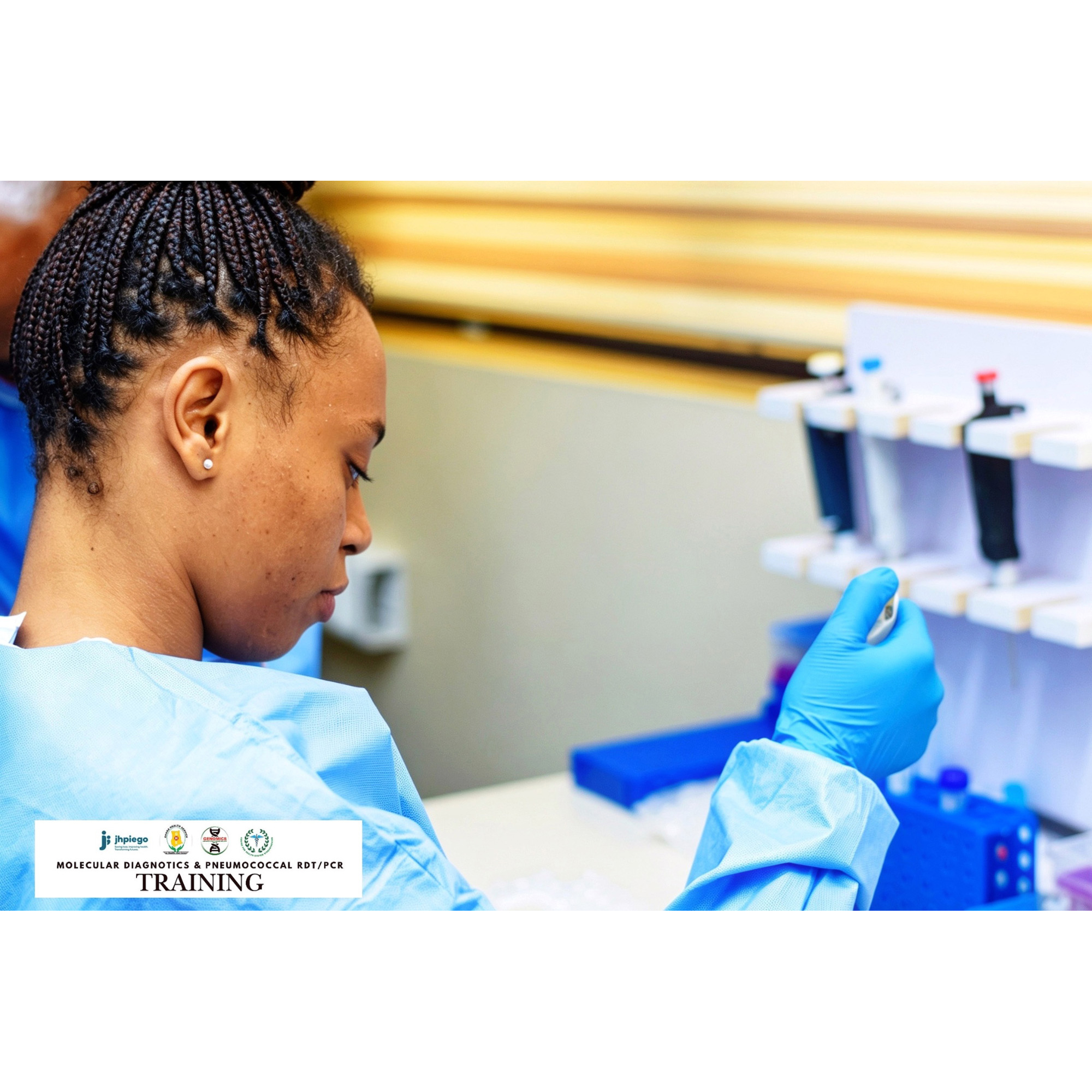
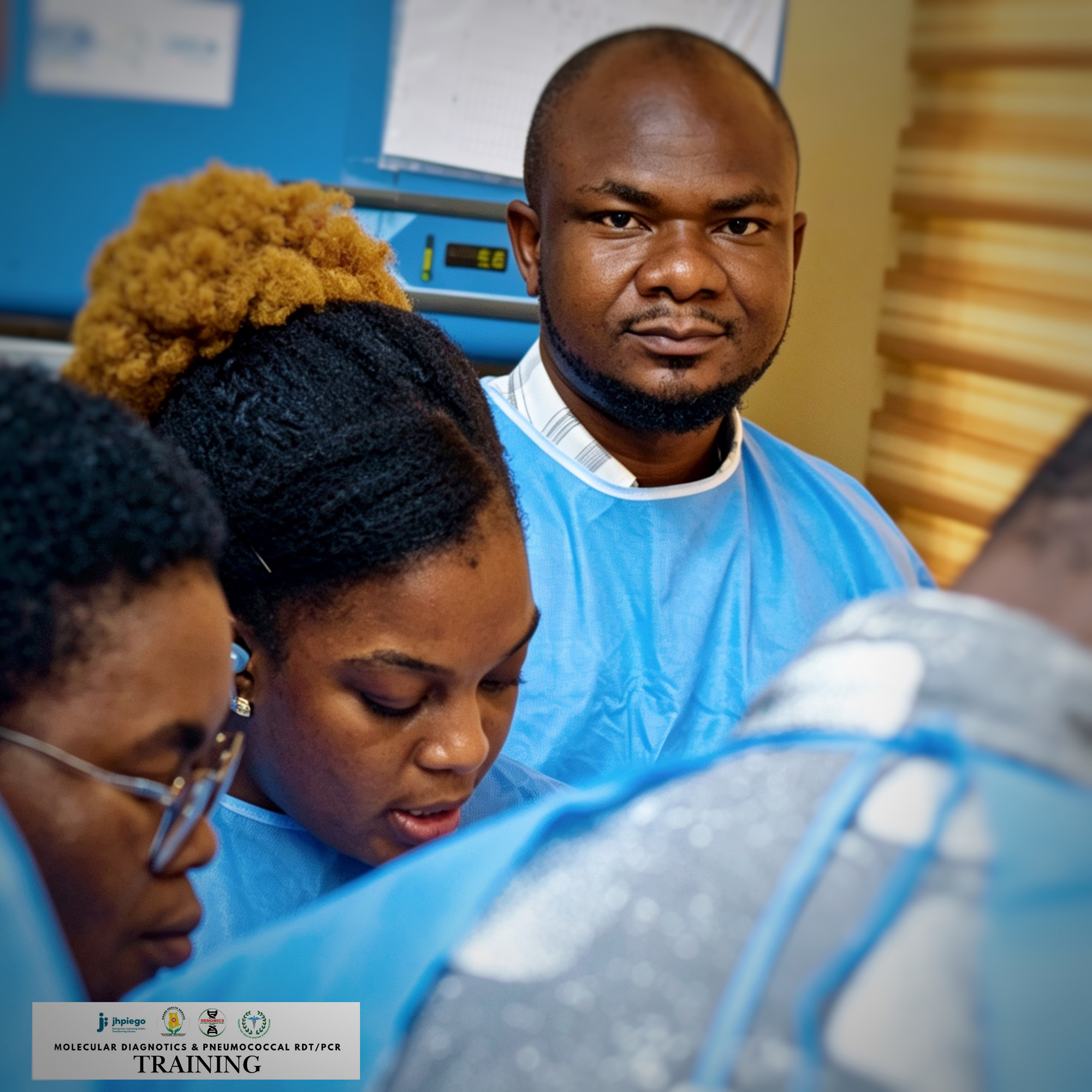
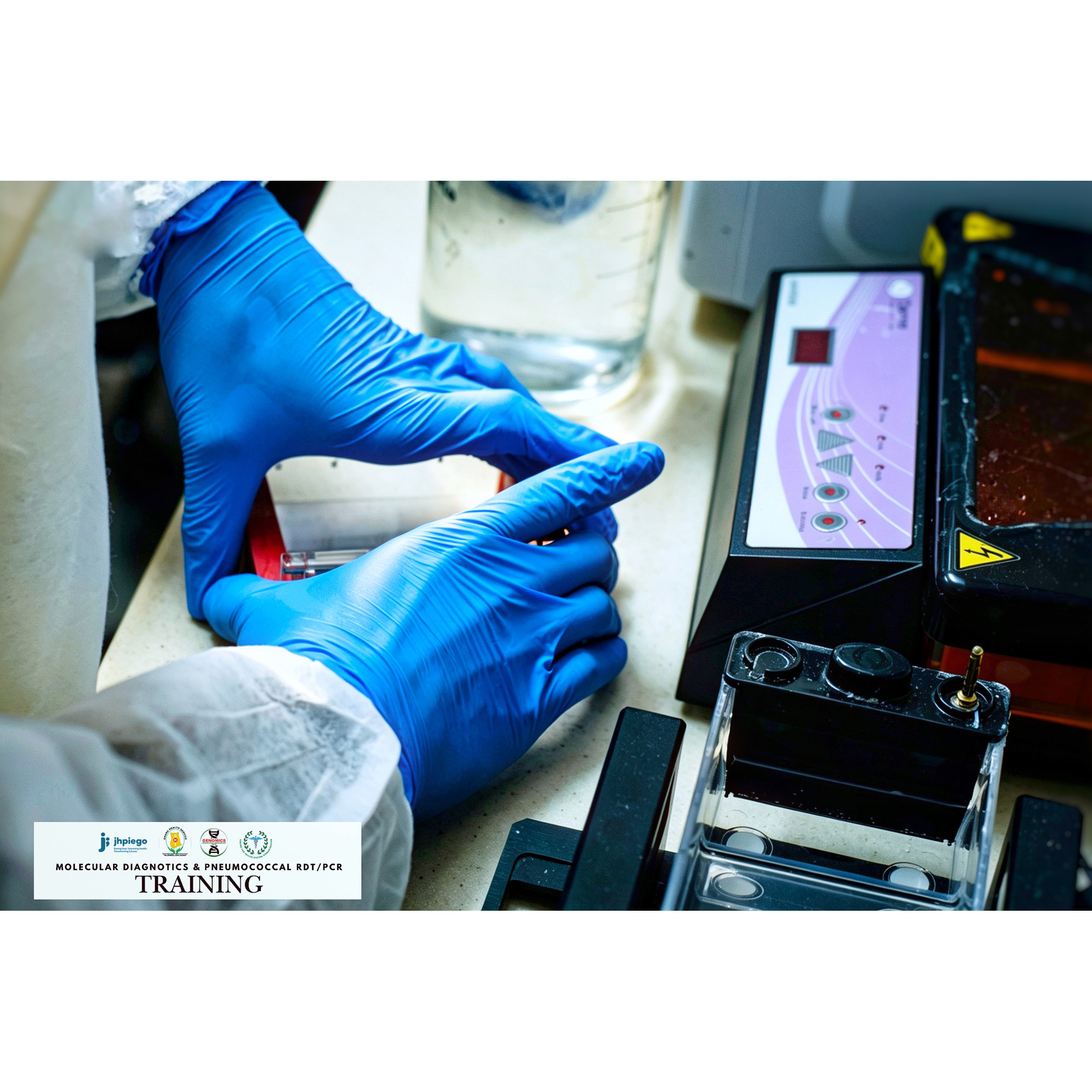
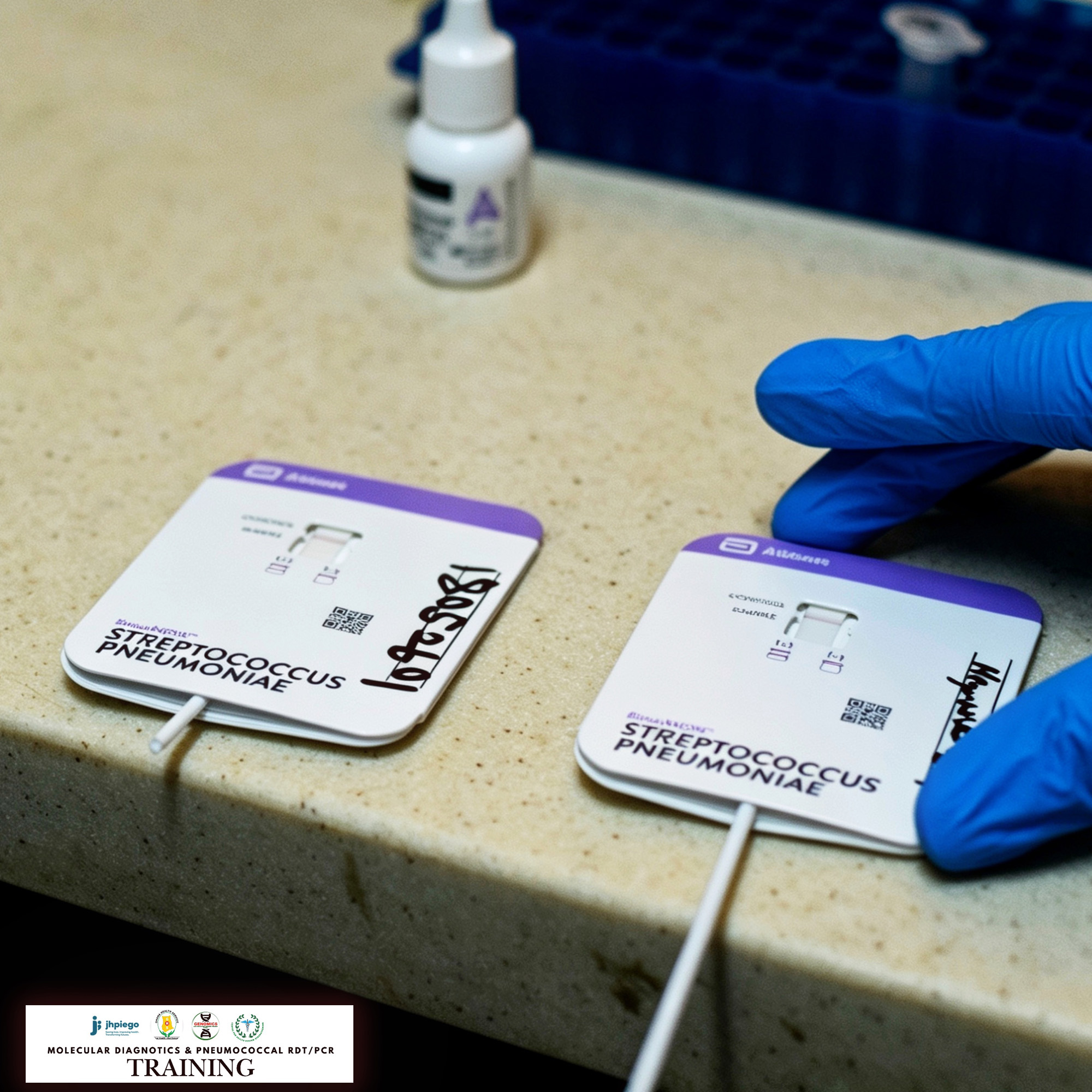
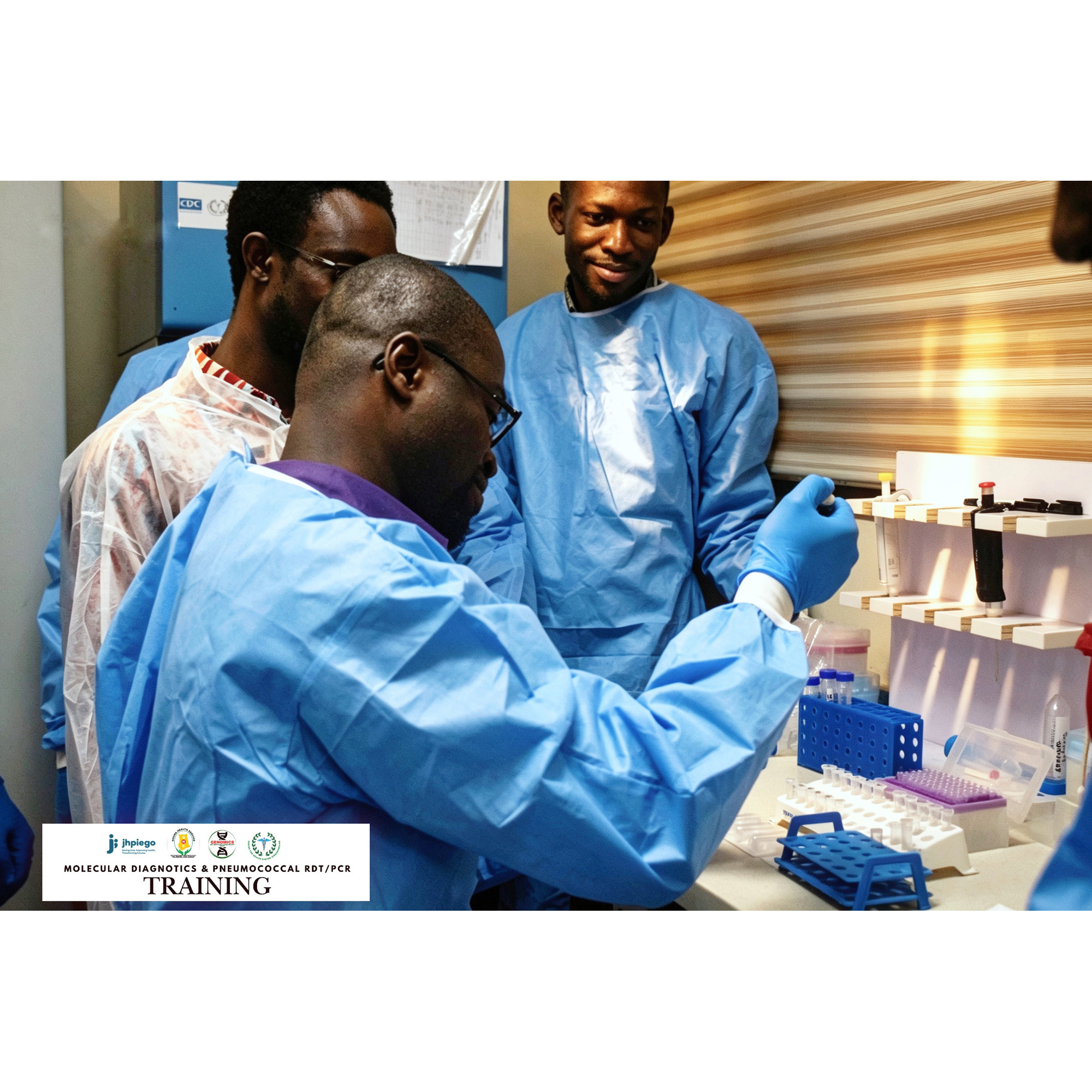
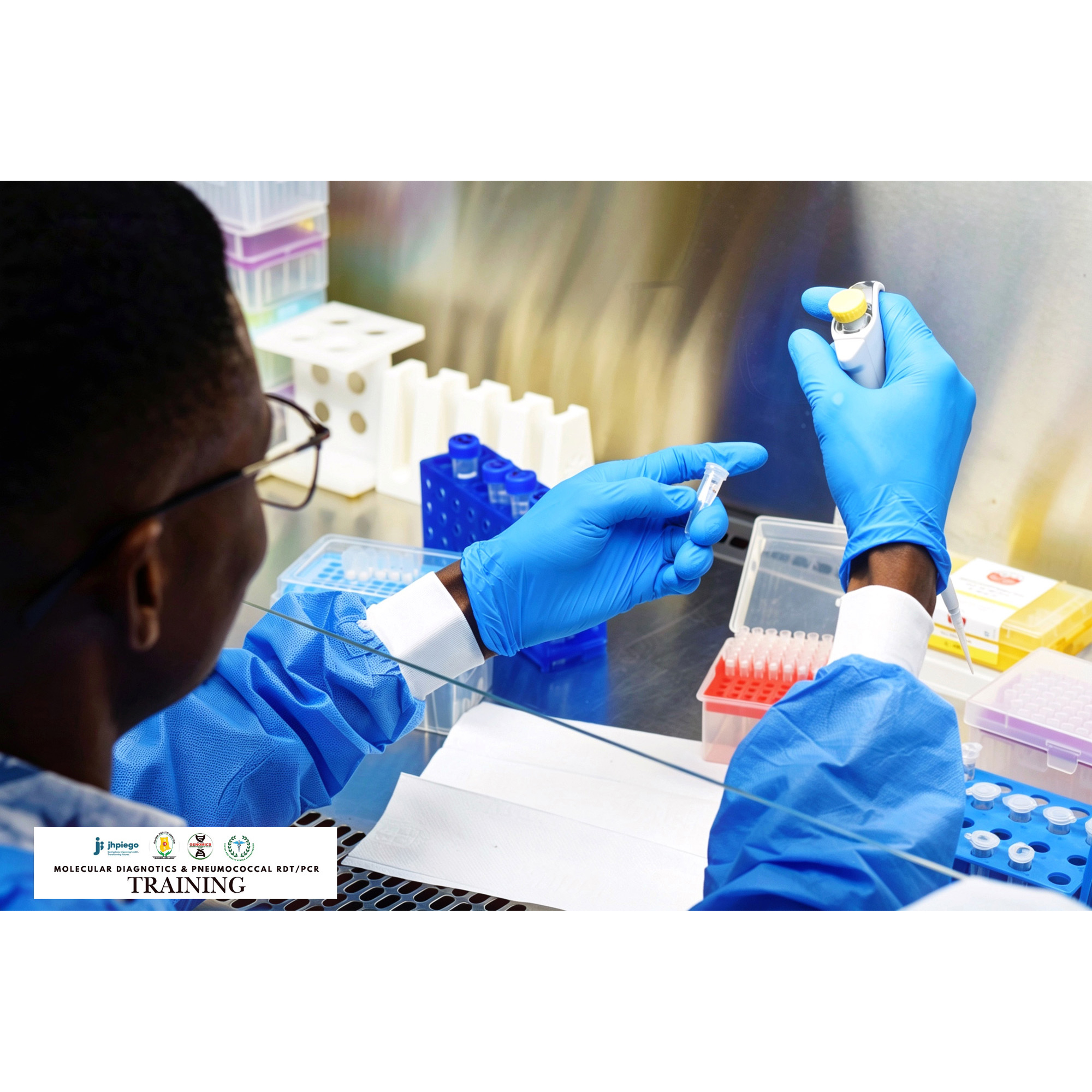
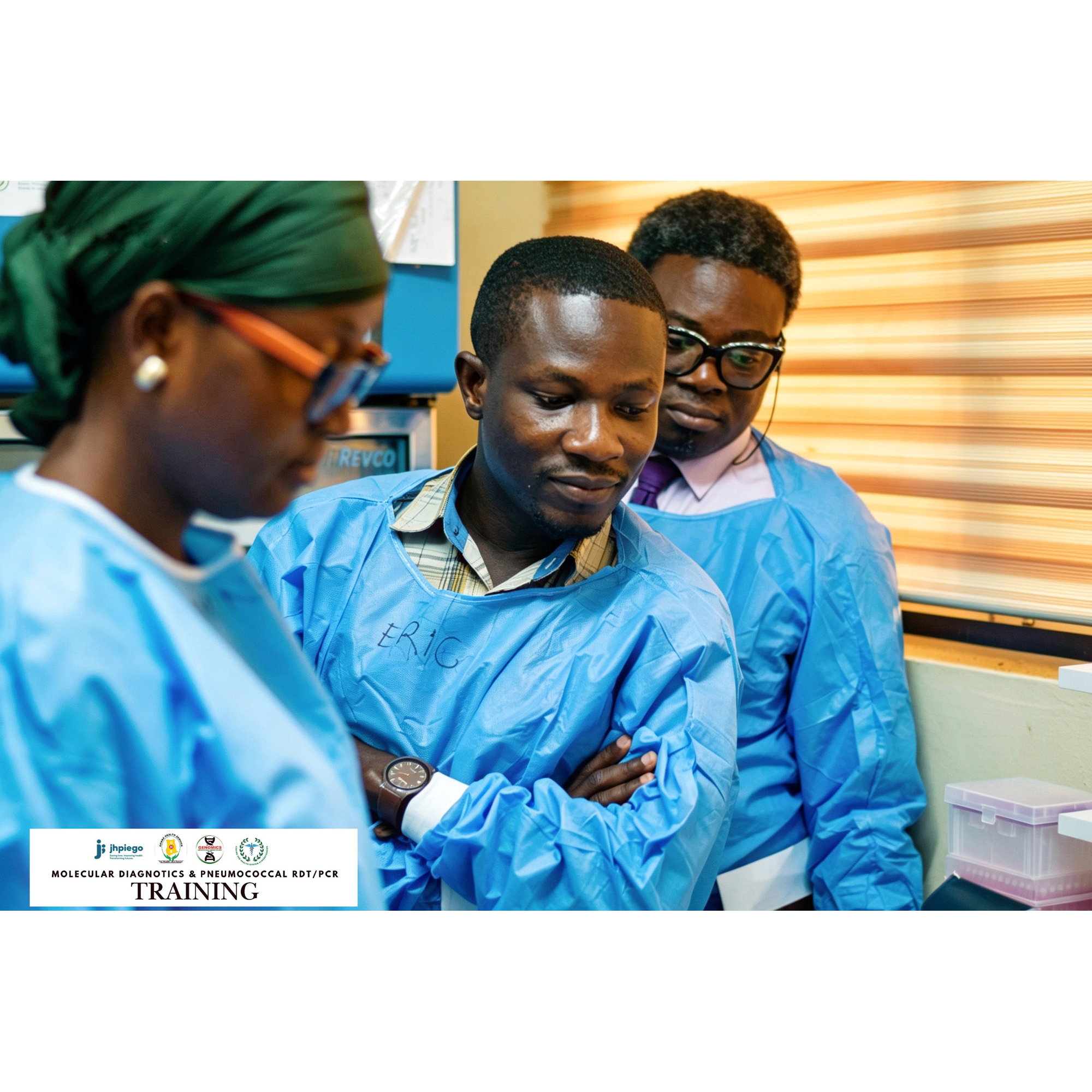
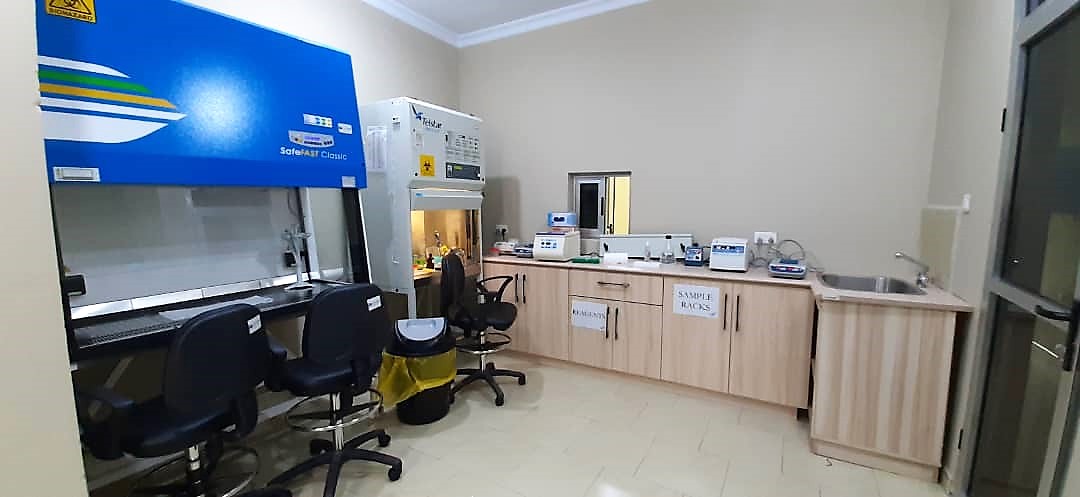
Practical sessions of Pneumococcal RDT, Nucleic Acid Extraction, PCR Master mix and PCR Amplification
Stay connected with CfHSS
| Website: Cfhss.org | Email: Info@cfhss.org | LinkedIn: Centre for Health System Strengthening | Facebook: www.facebook.com/cfhssgh | YouTube: www.youtube.com/channel/UCdfbGSex5dHXfn-KL3ETPPQ/videos | Instagram: www.instagram.com/center4hssgh | Twitter: www.twitter.com/cfhssgh |Contact: 0200149186 |