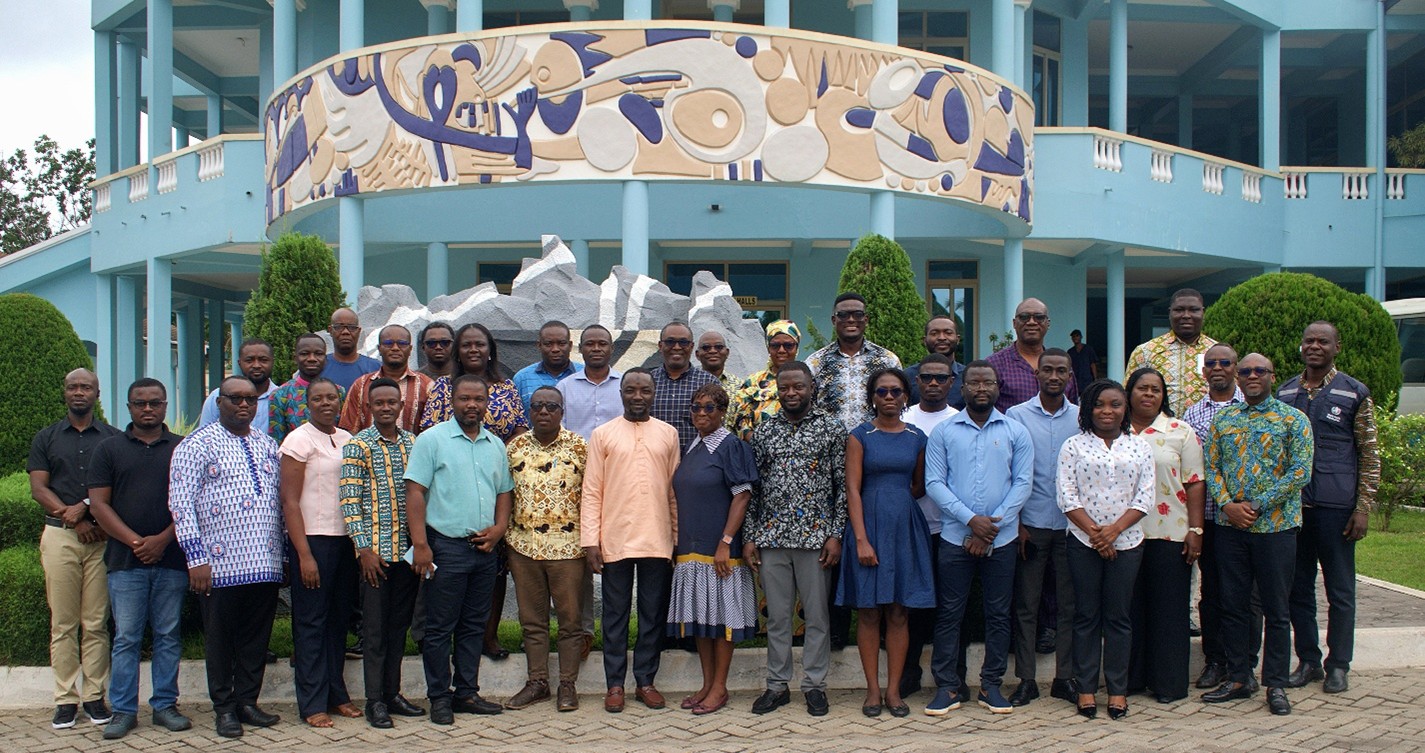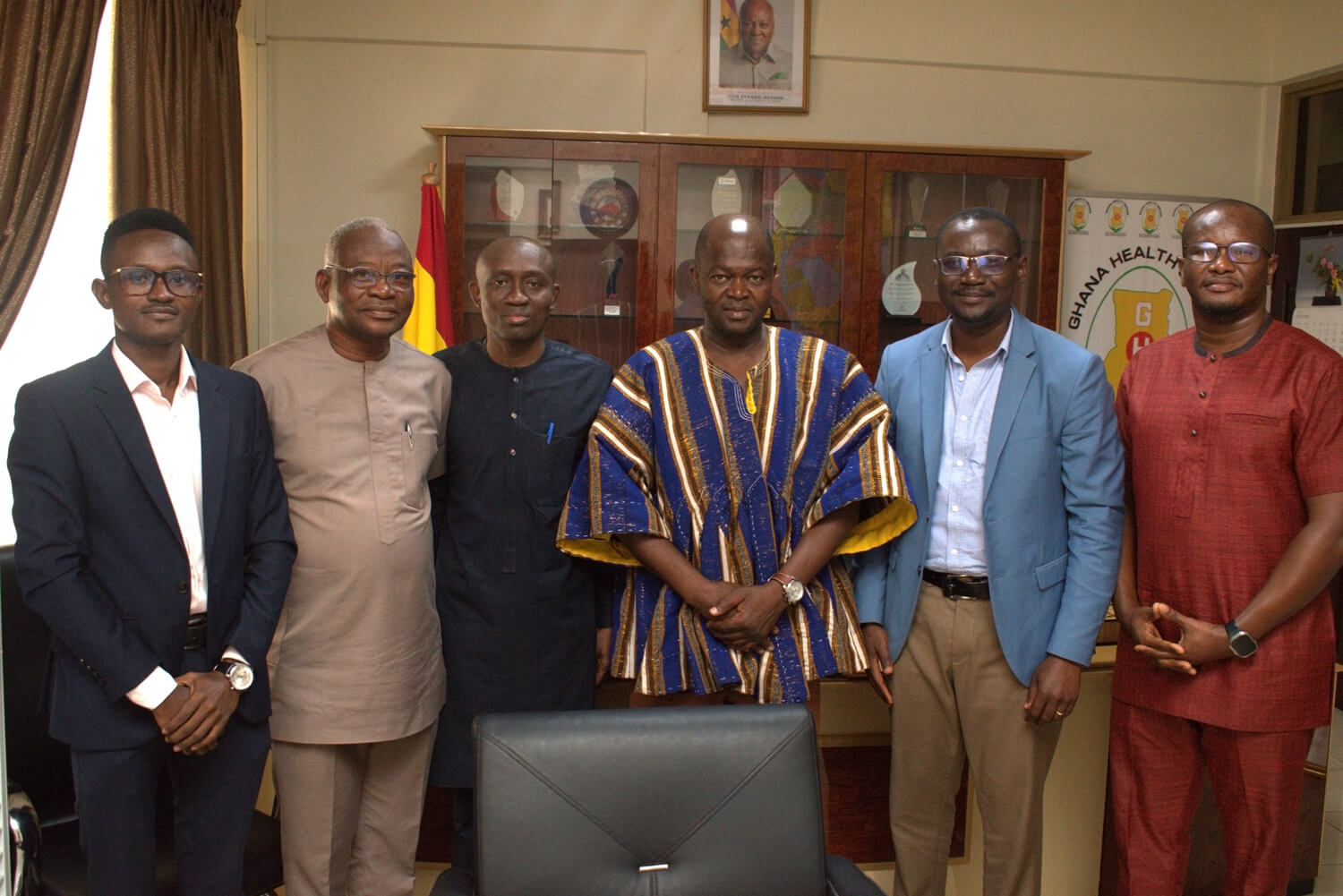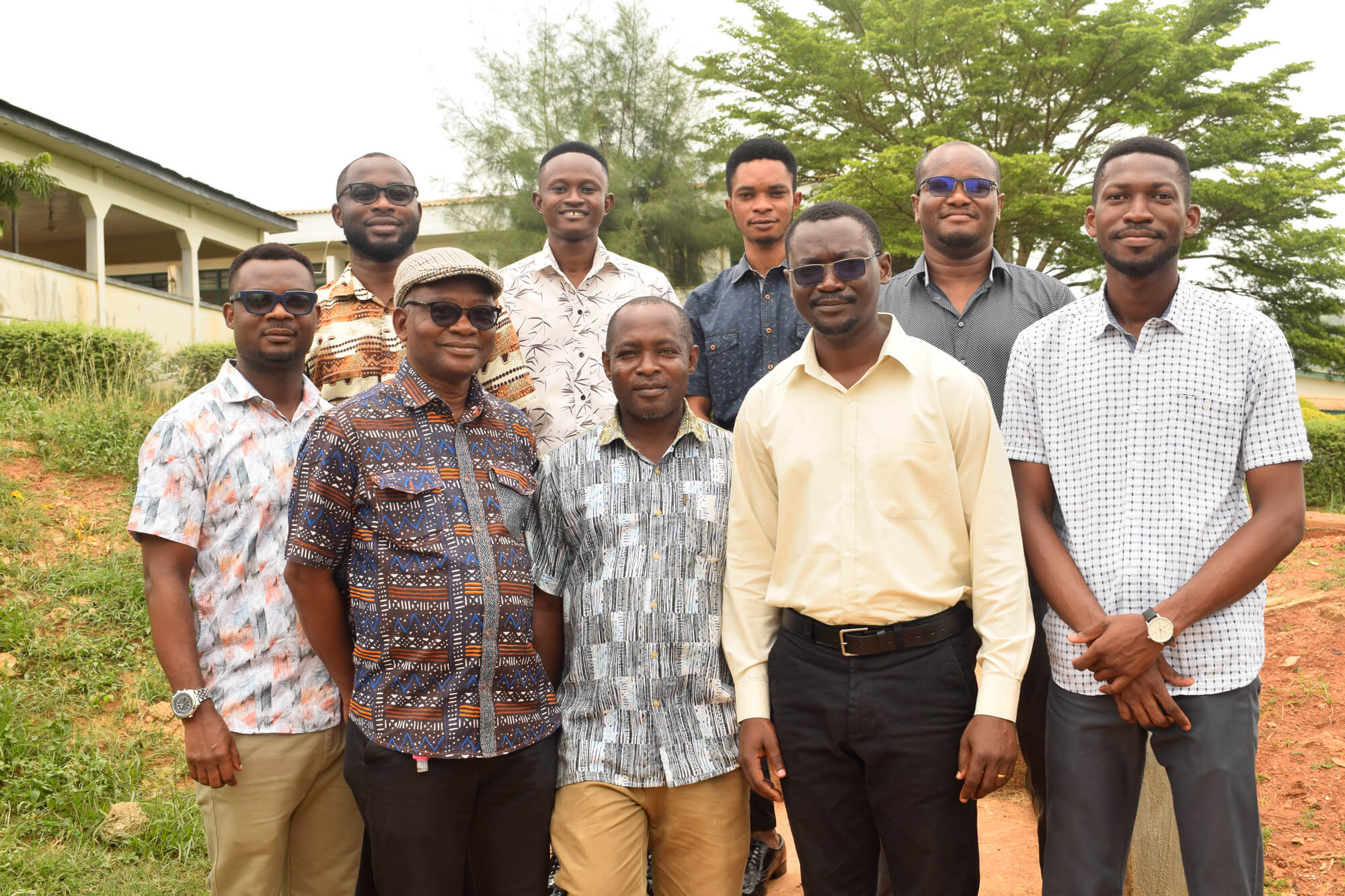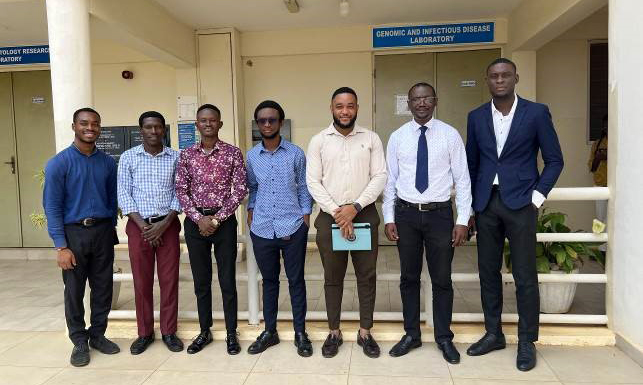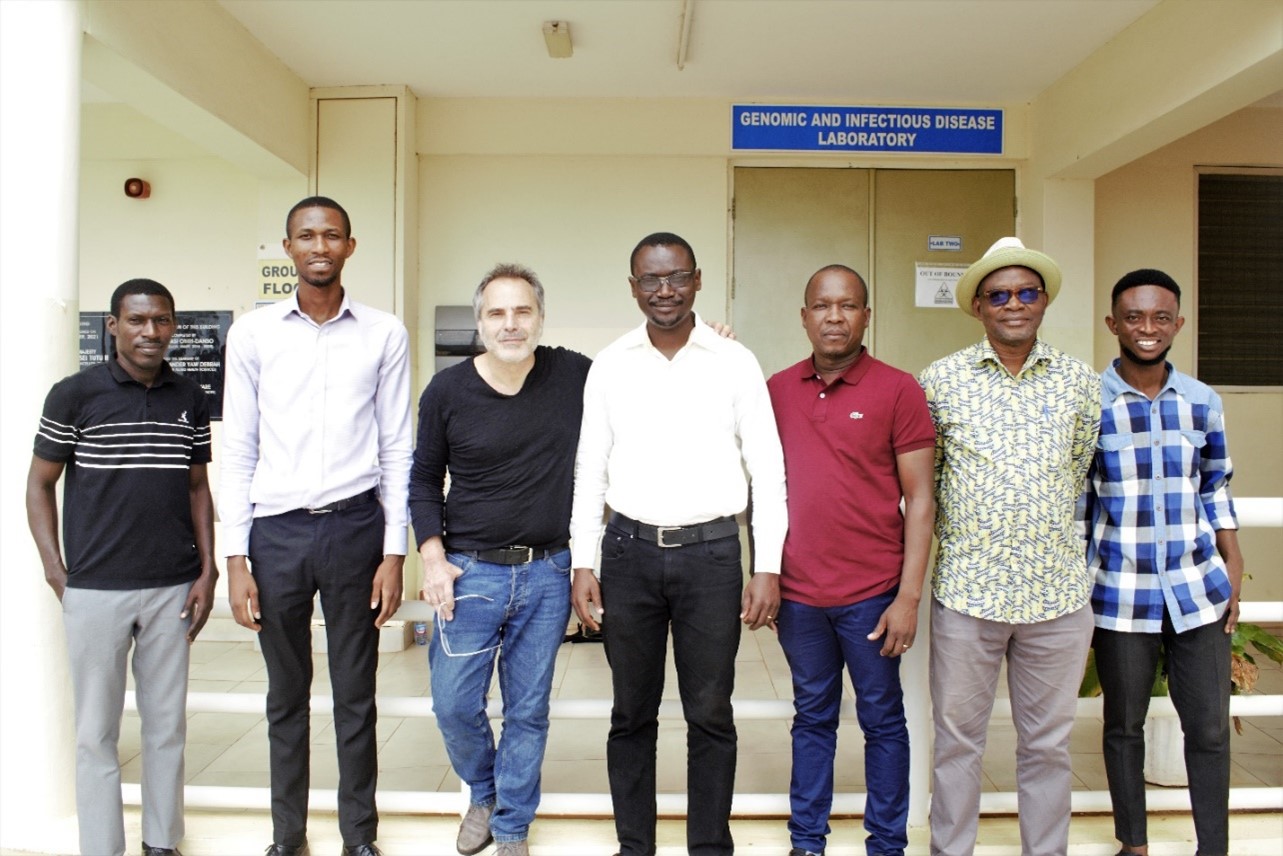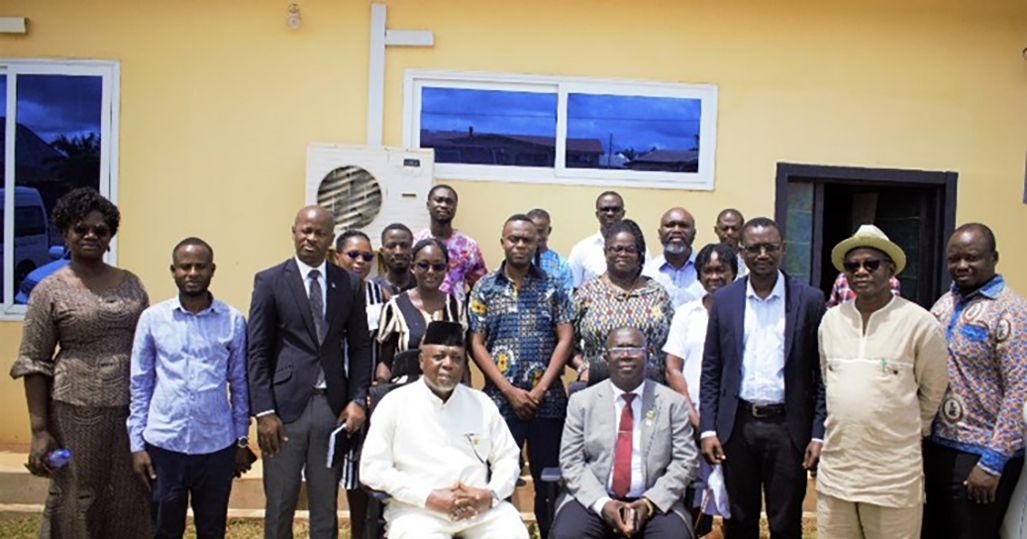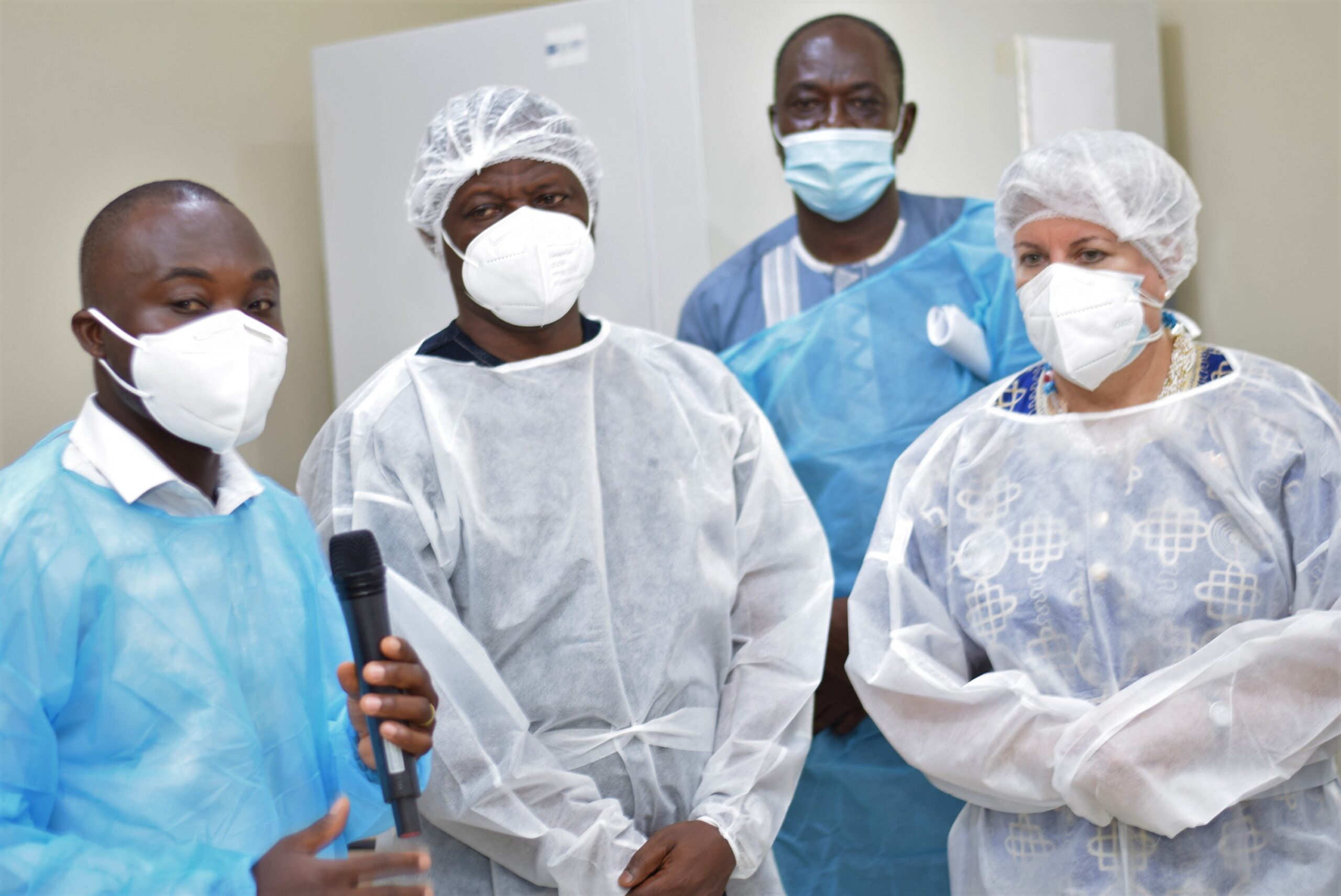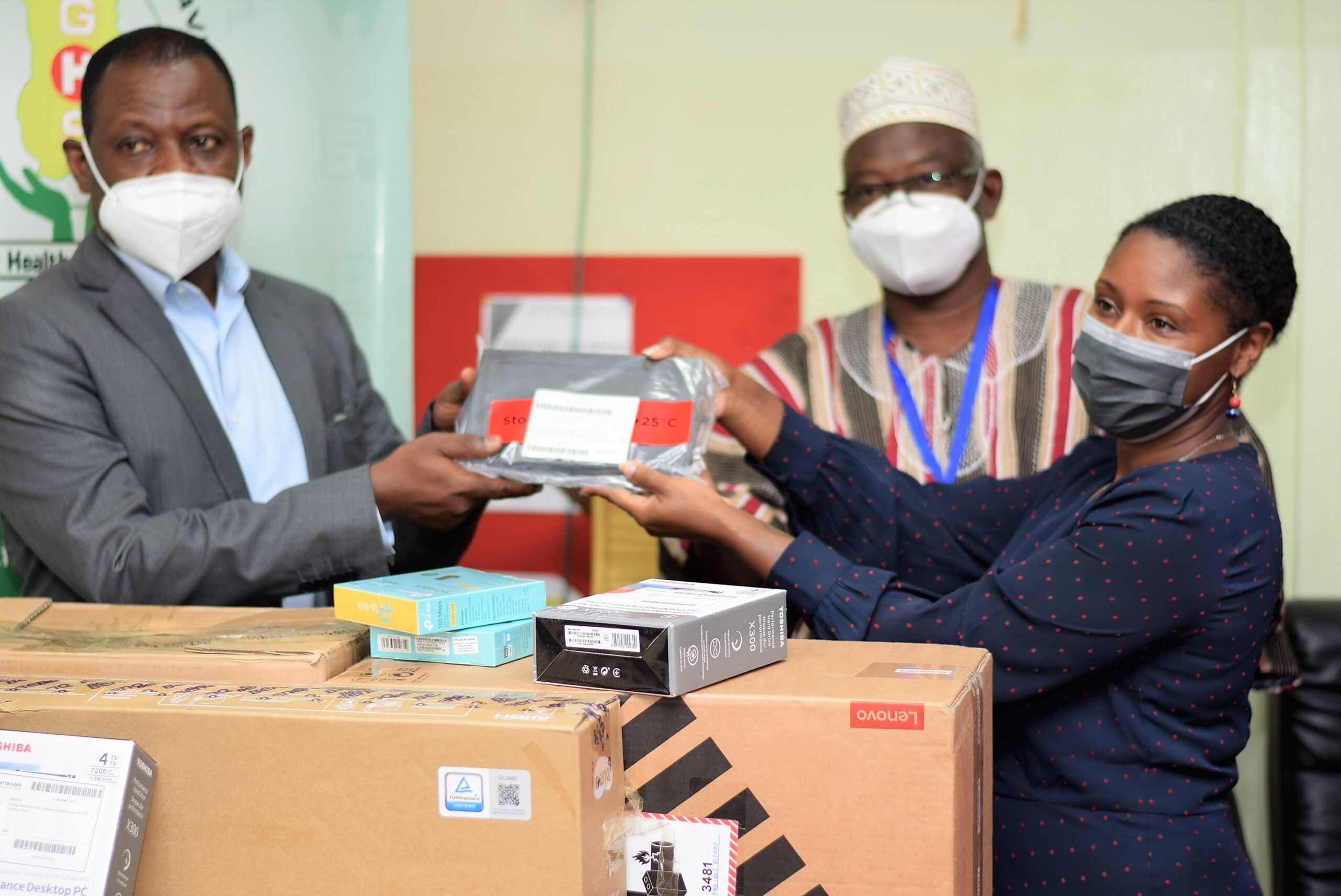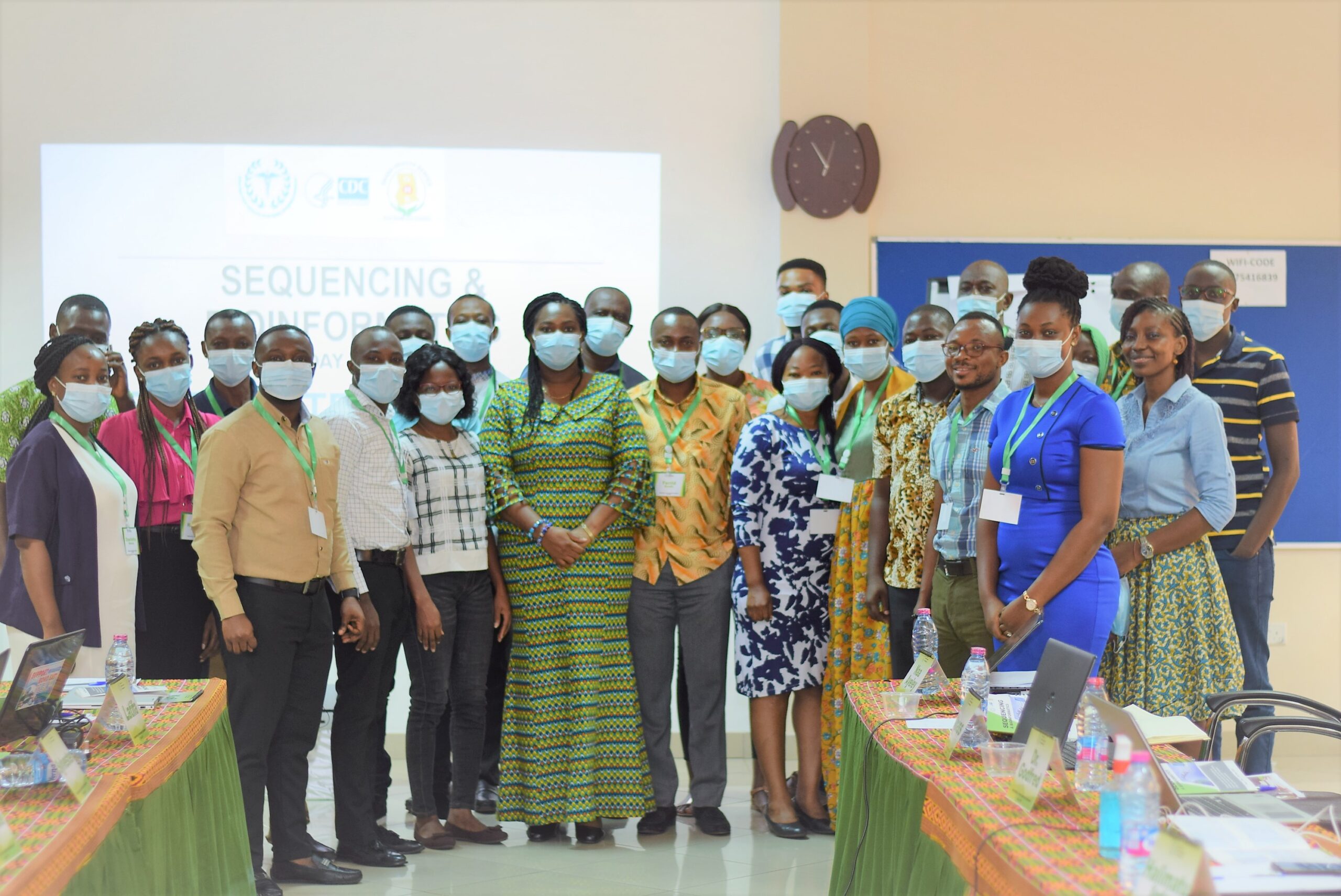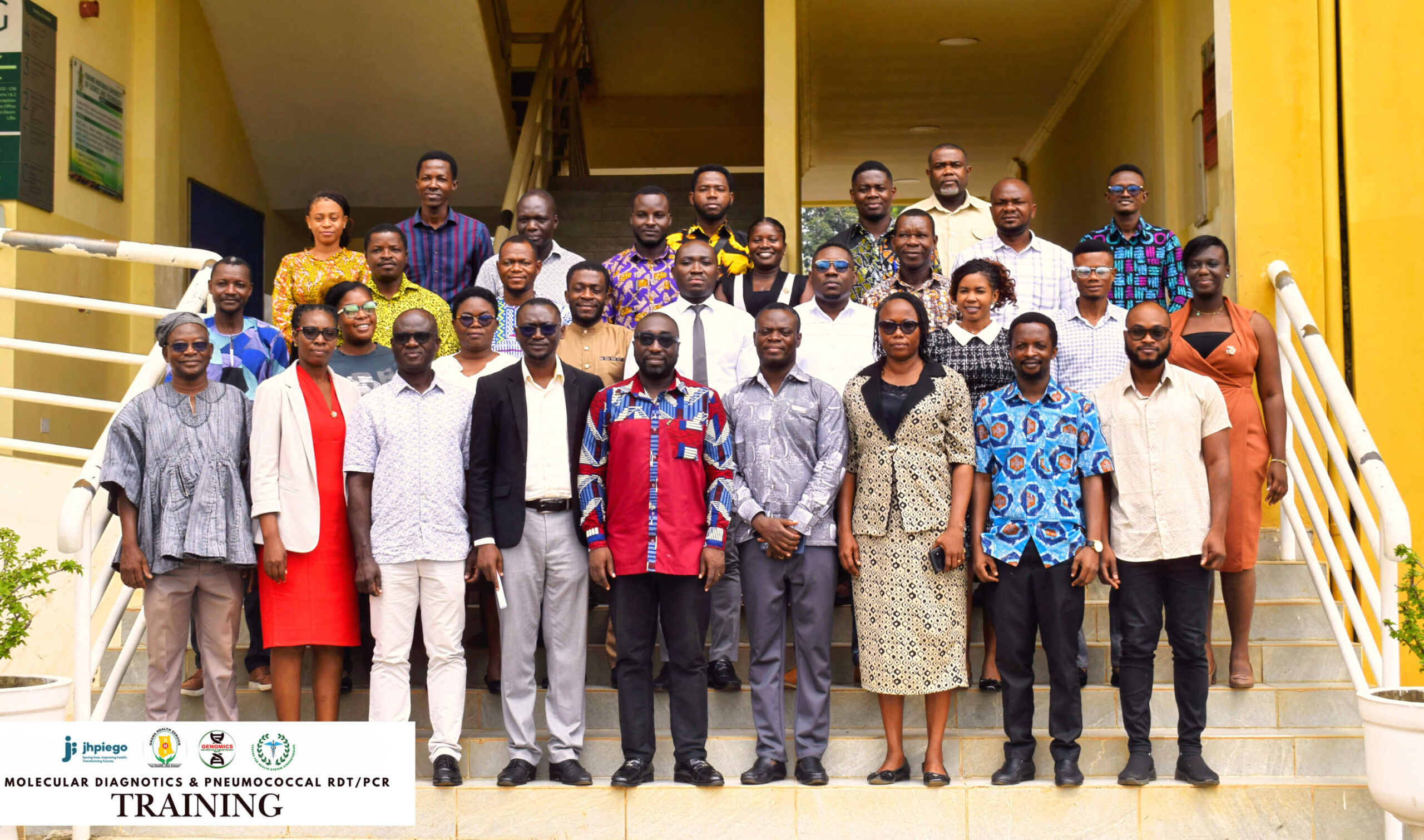
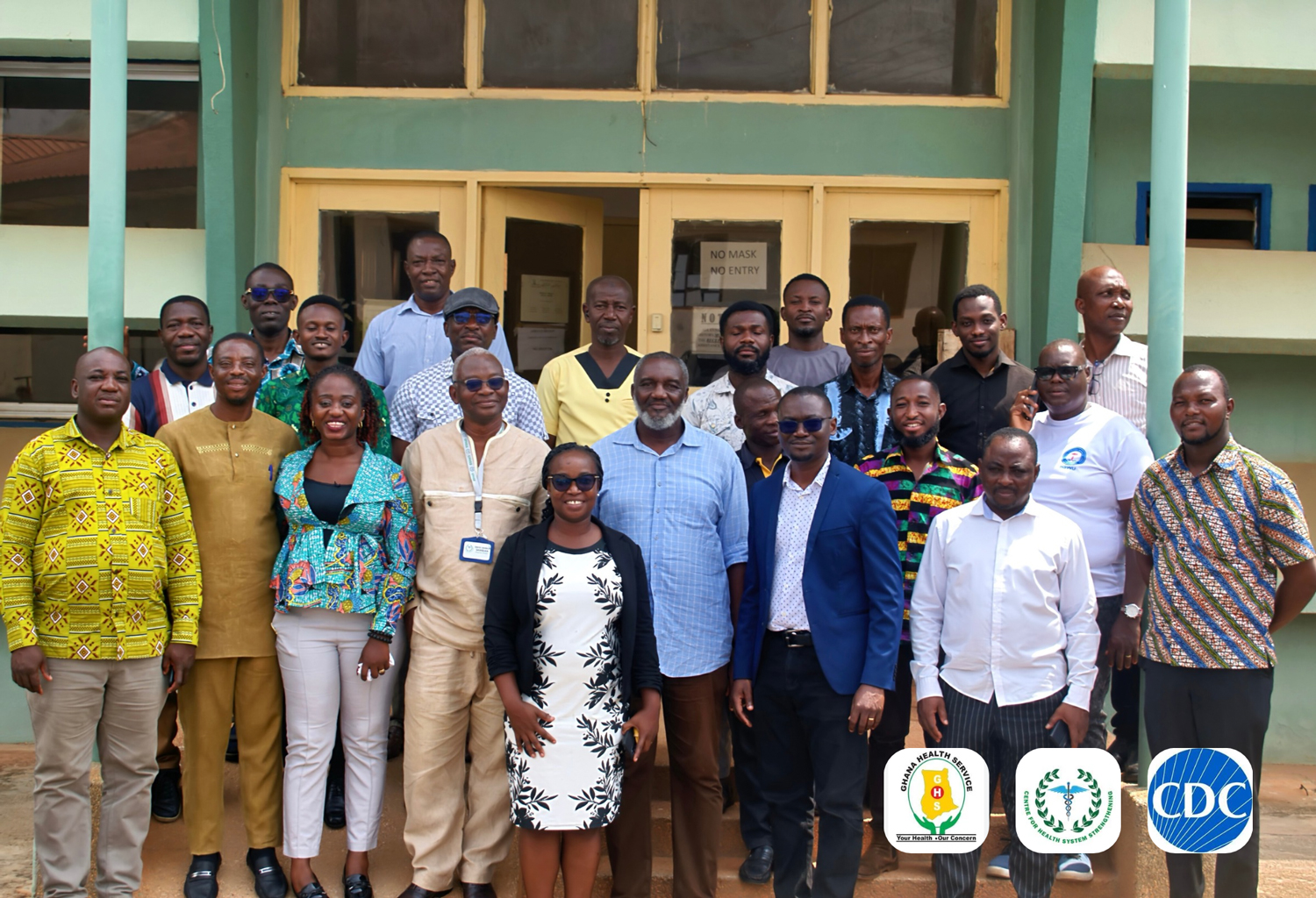
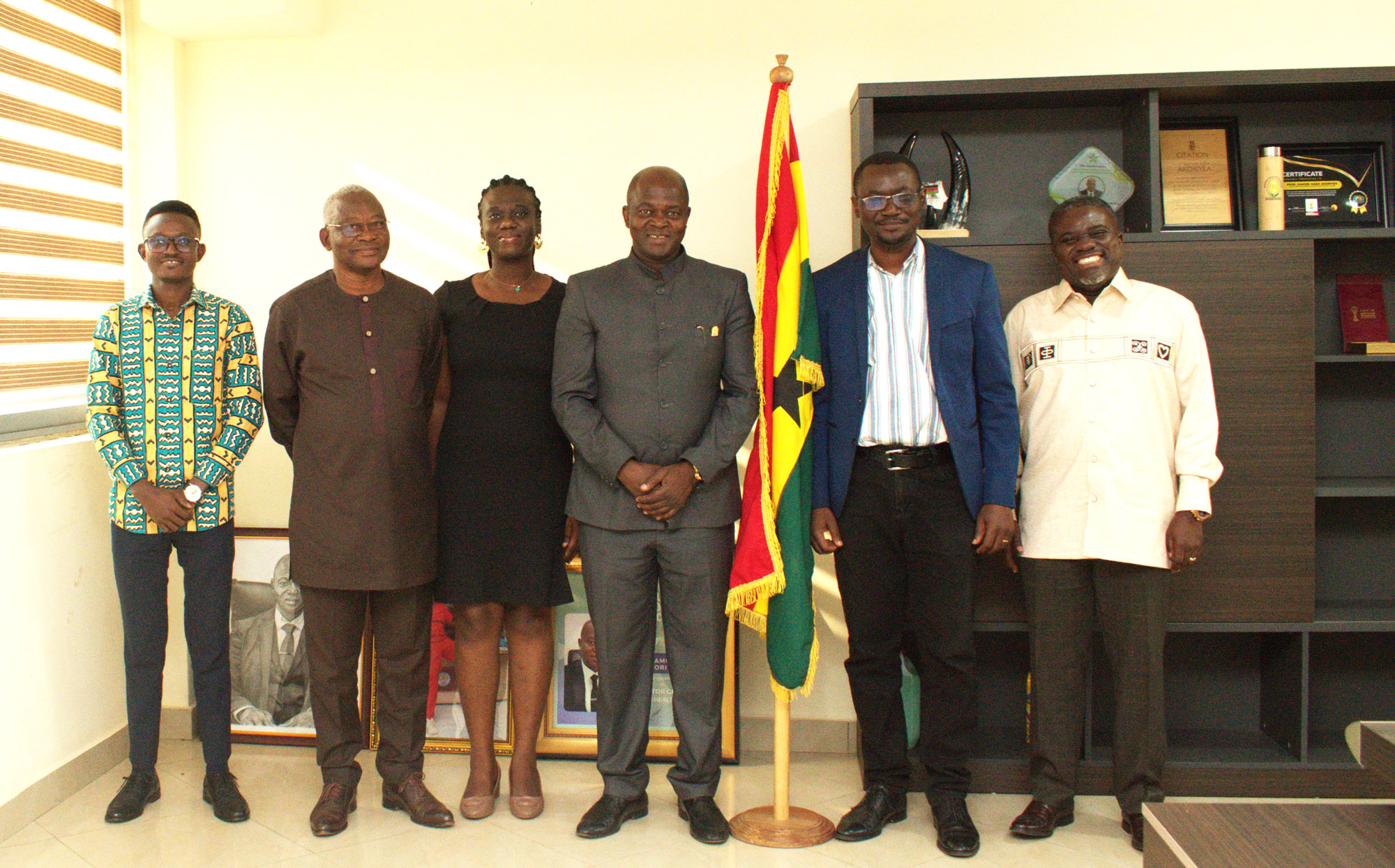
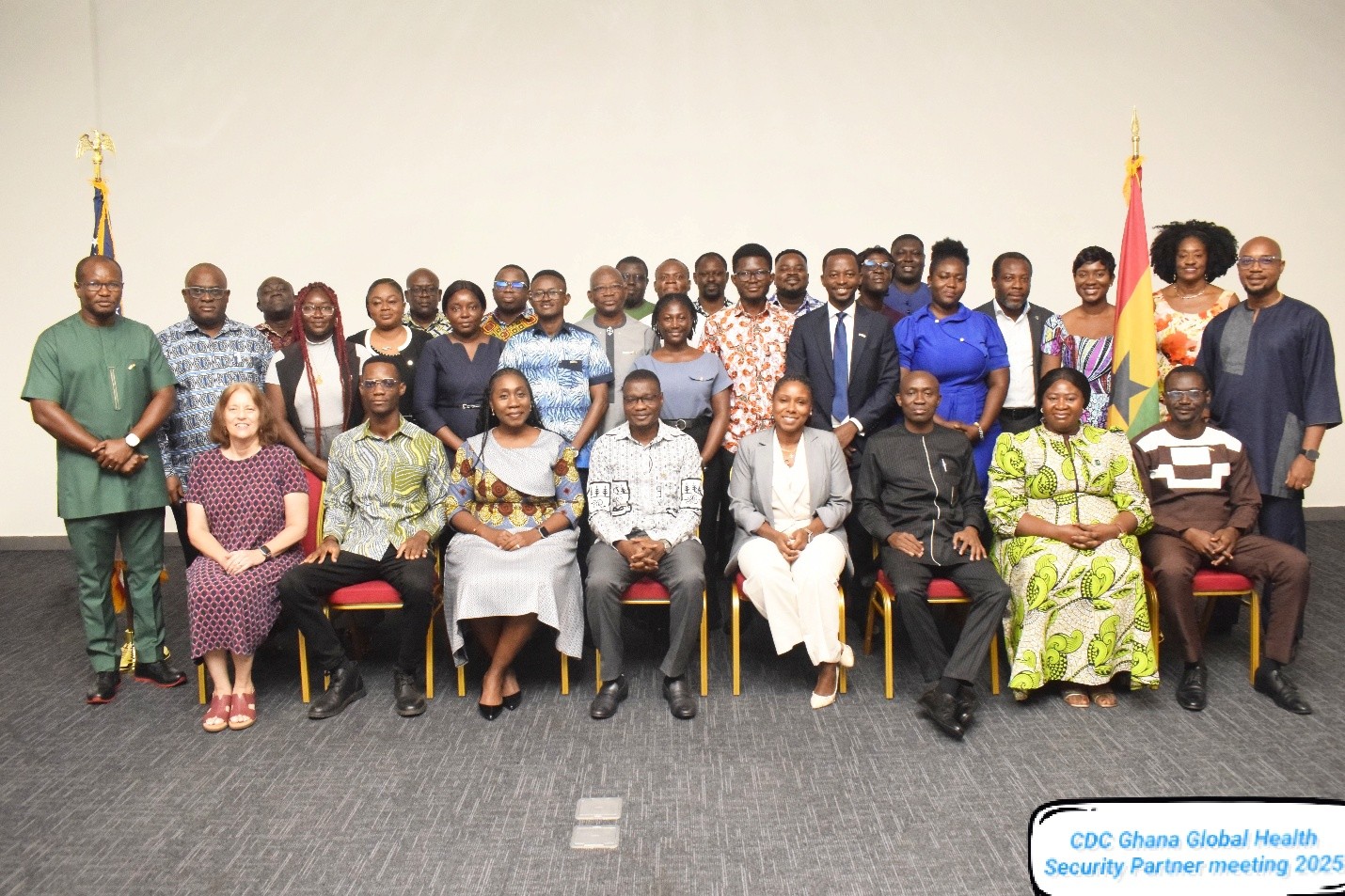
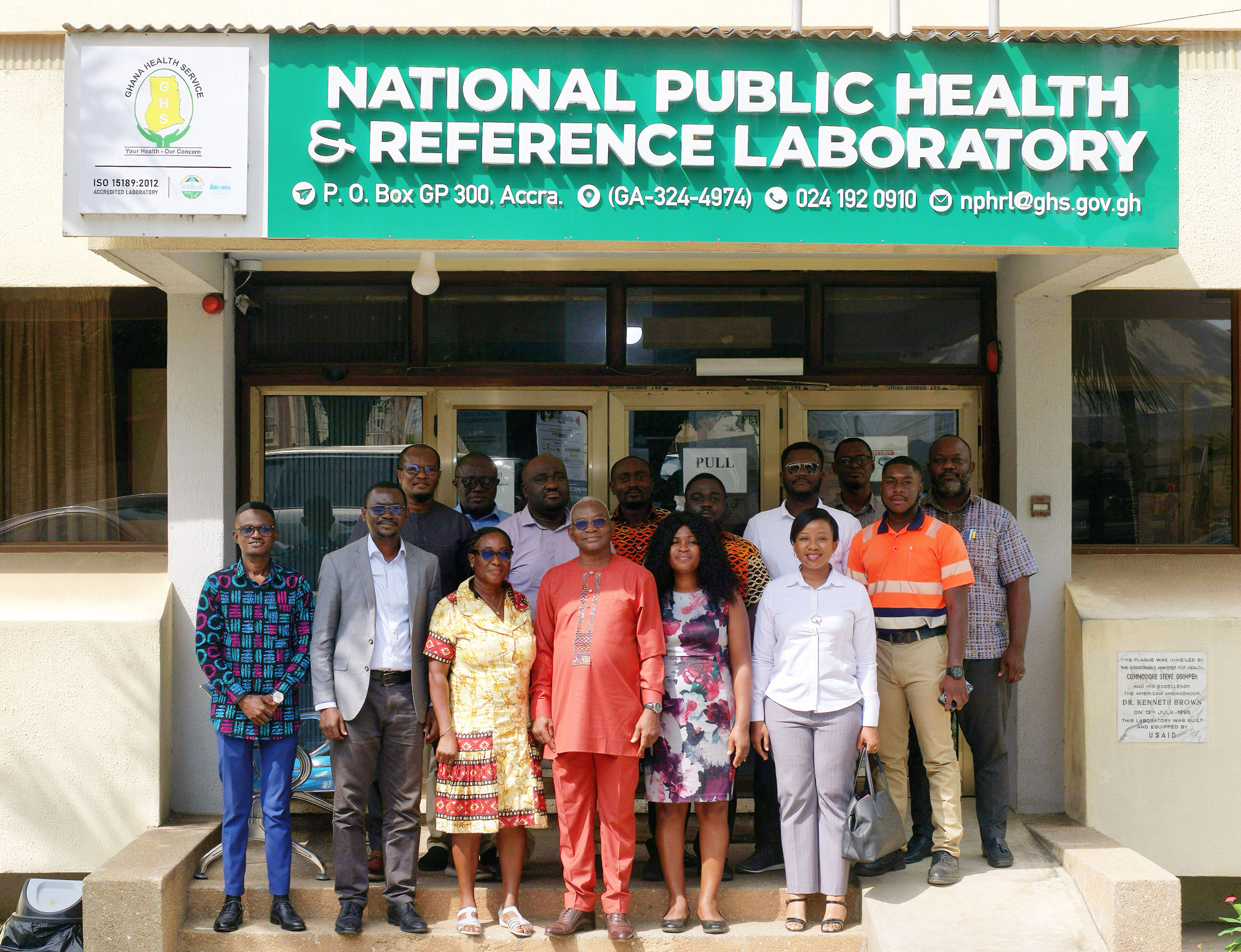

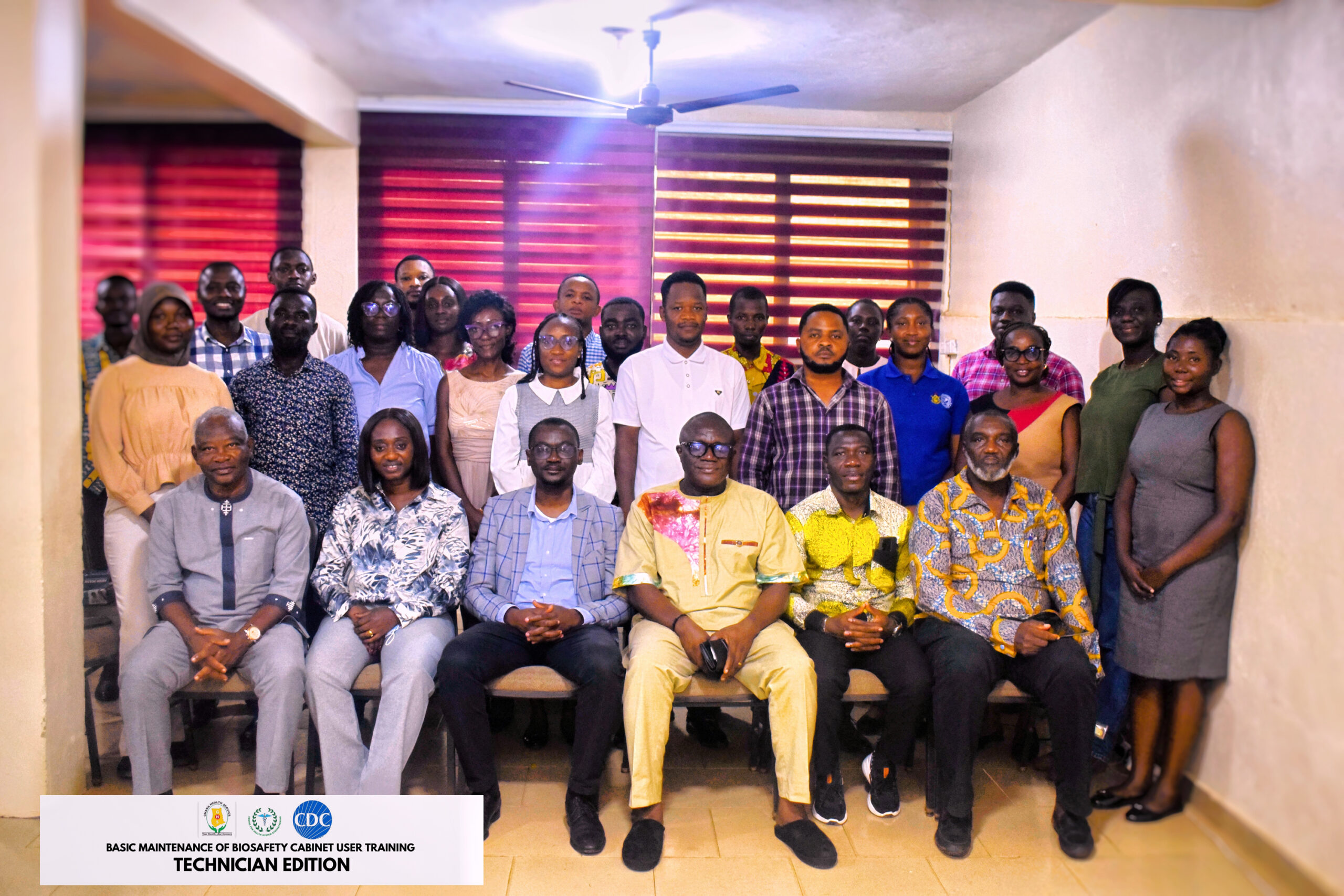
The Centre for Health System Strengthening (CfHSS), with funding support from the Korea International Cooperation Agency (KOICA) through the U.S. Centers for Disease Control and Prevention (CDC), collaborated with the Ghana Health Service (GHS) to organize a three-day training on basic Biosafety Cabinet (BSC) maintenance for laboratory professionals and researchers. The training aimed at strengthening the competence of laboratory professionals in the safe operation, maintenance, and management of BSCs across Ghana.
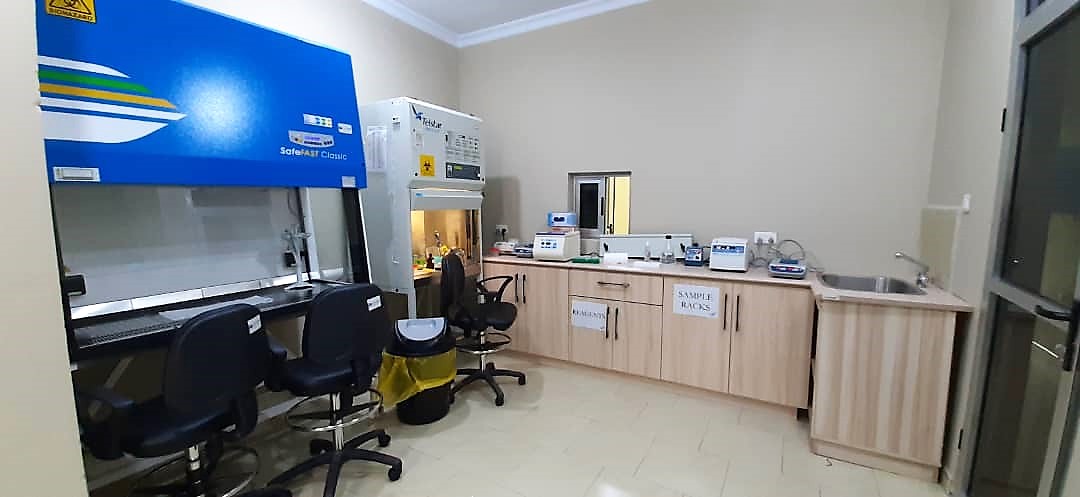
Biosafety cabinets are essential laboratory containment systems designed to protect laboratory personnel, the environment, and biological samples from exposure to infectious agents. They operate using controlled airflow and high-efficiency particulate air (HEPA) filtration systems. However, their effectiveness depends on proper use, routine maintenance, and periodic certification to ensure sustained performance and safety compliance.
The training was designed to address critical capacity gaps within biosafety level laboratories and to enhance participants’ knowledge and practical skills in biosafety and biosecurity principles, BSC operation, maintenance, troubleshooting, and performance verification. The overall goal was to strengthen laboratory systems, improve safety standards, and enhance the reliability of diagnostic and research services.
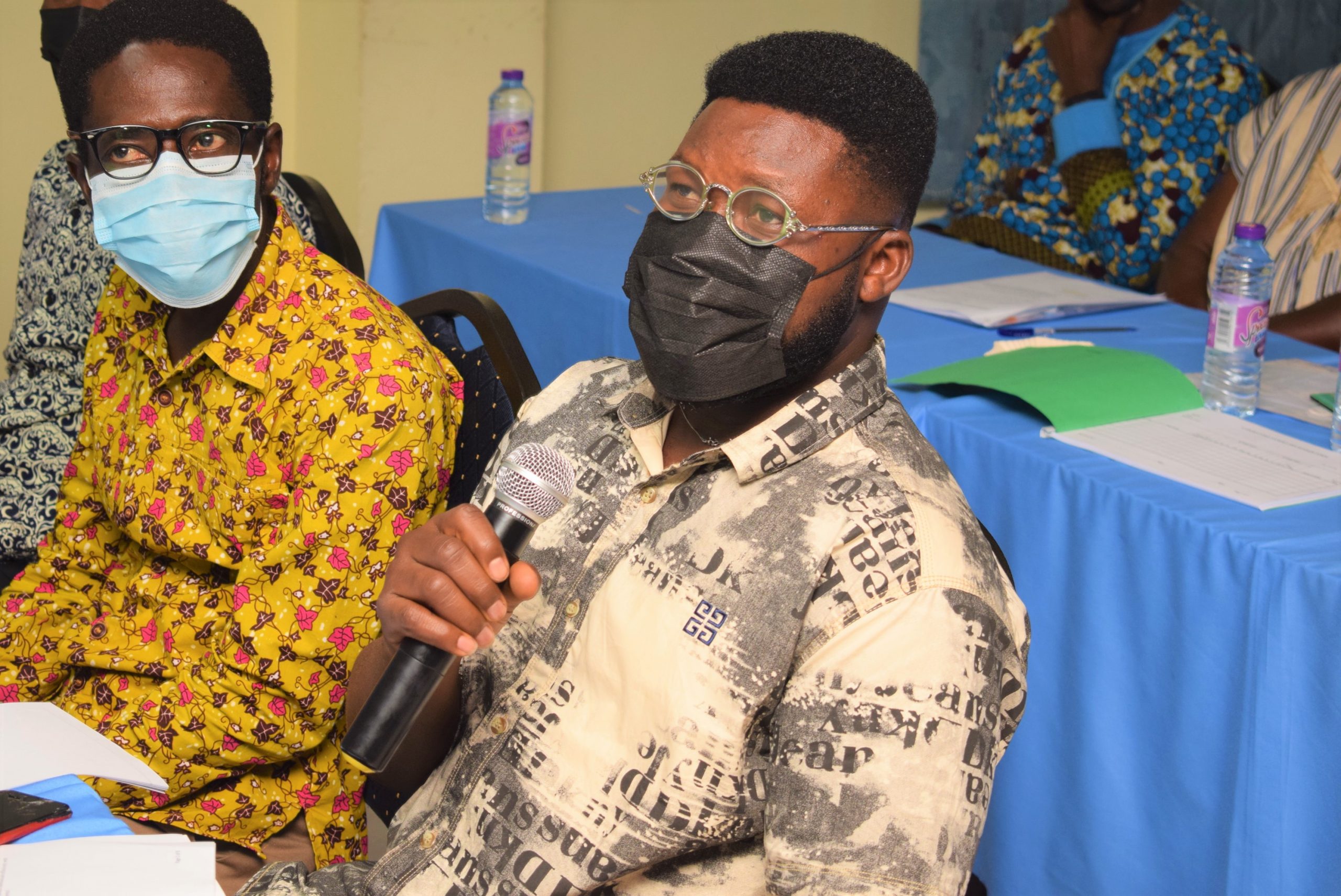
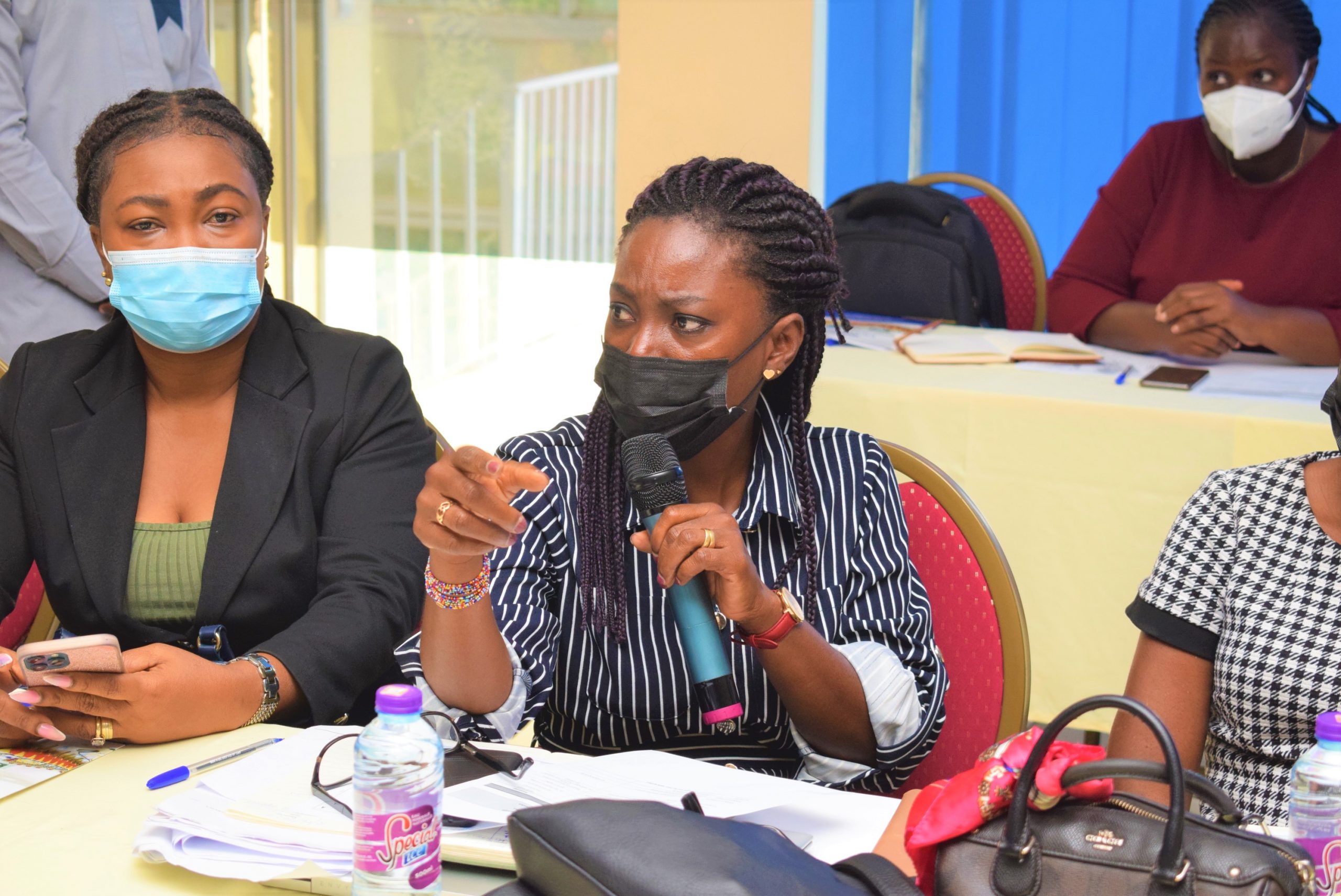
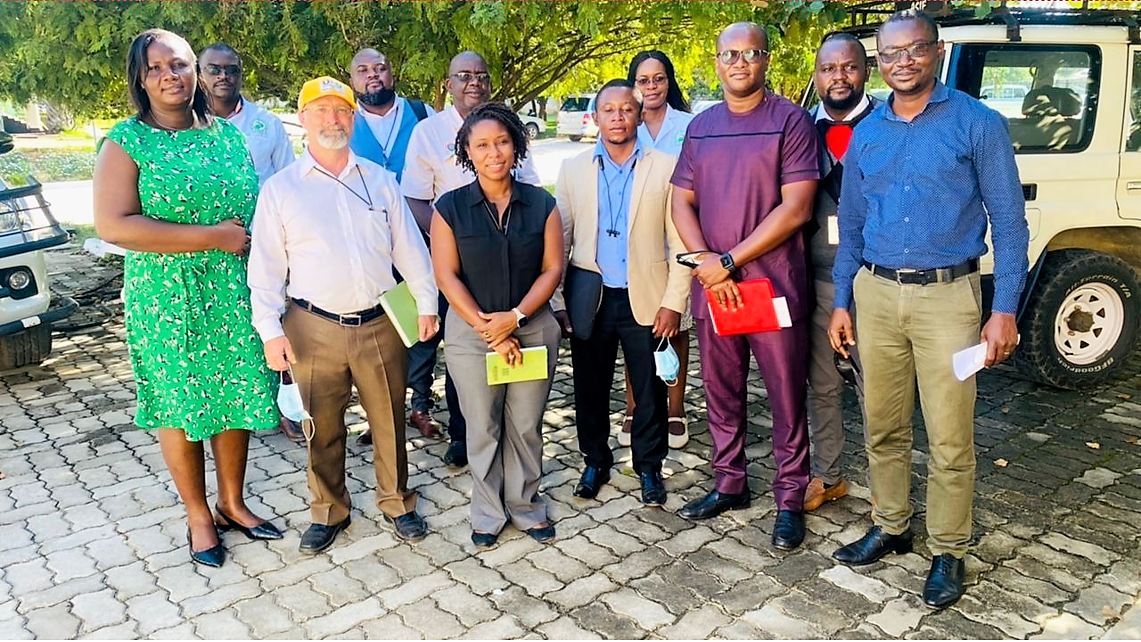
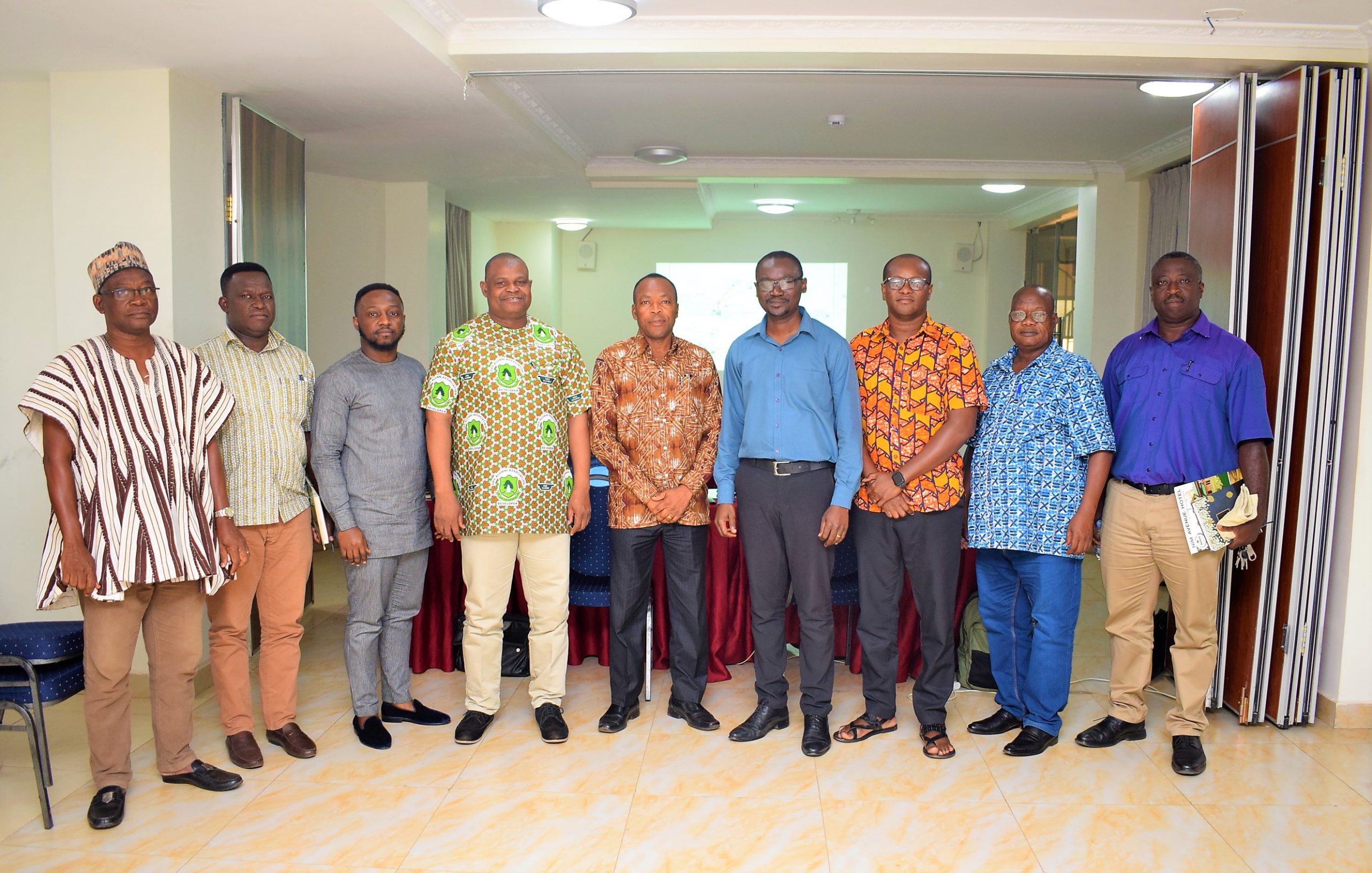
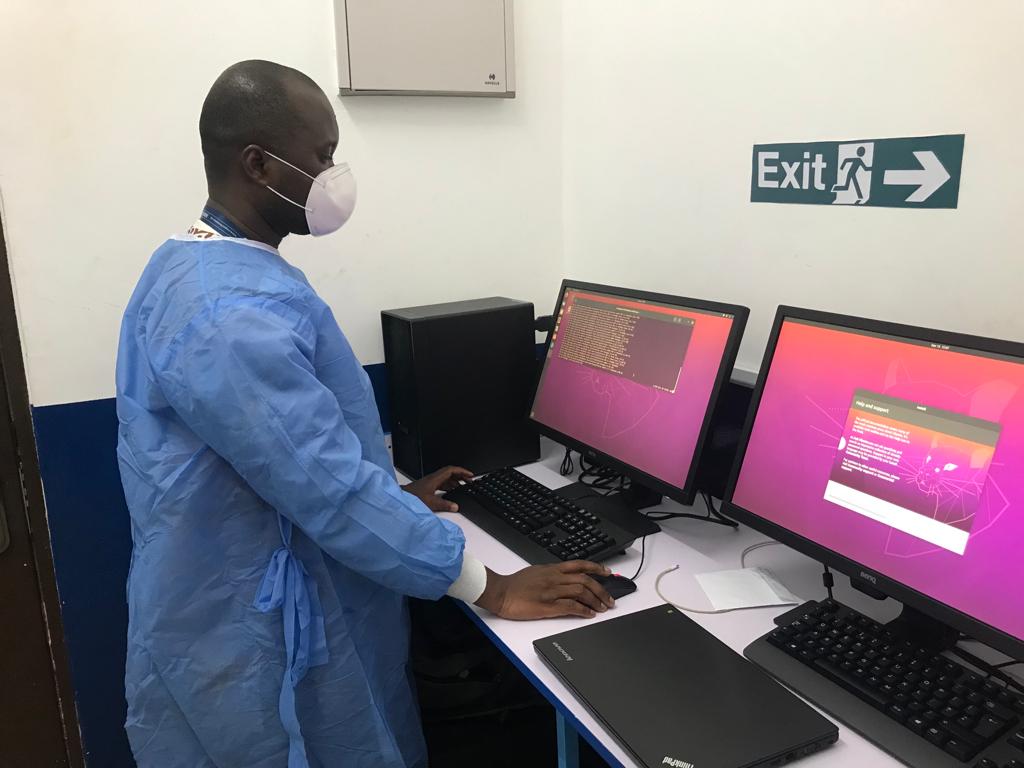
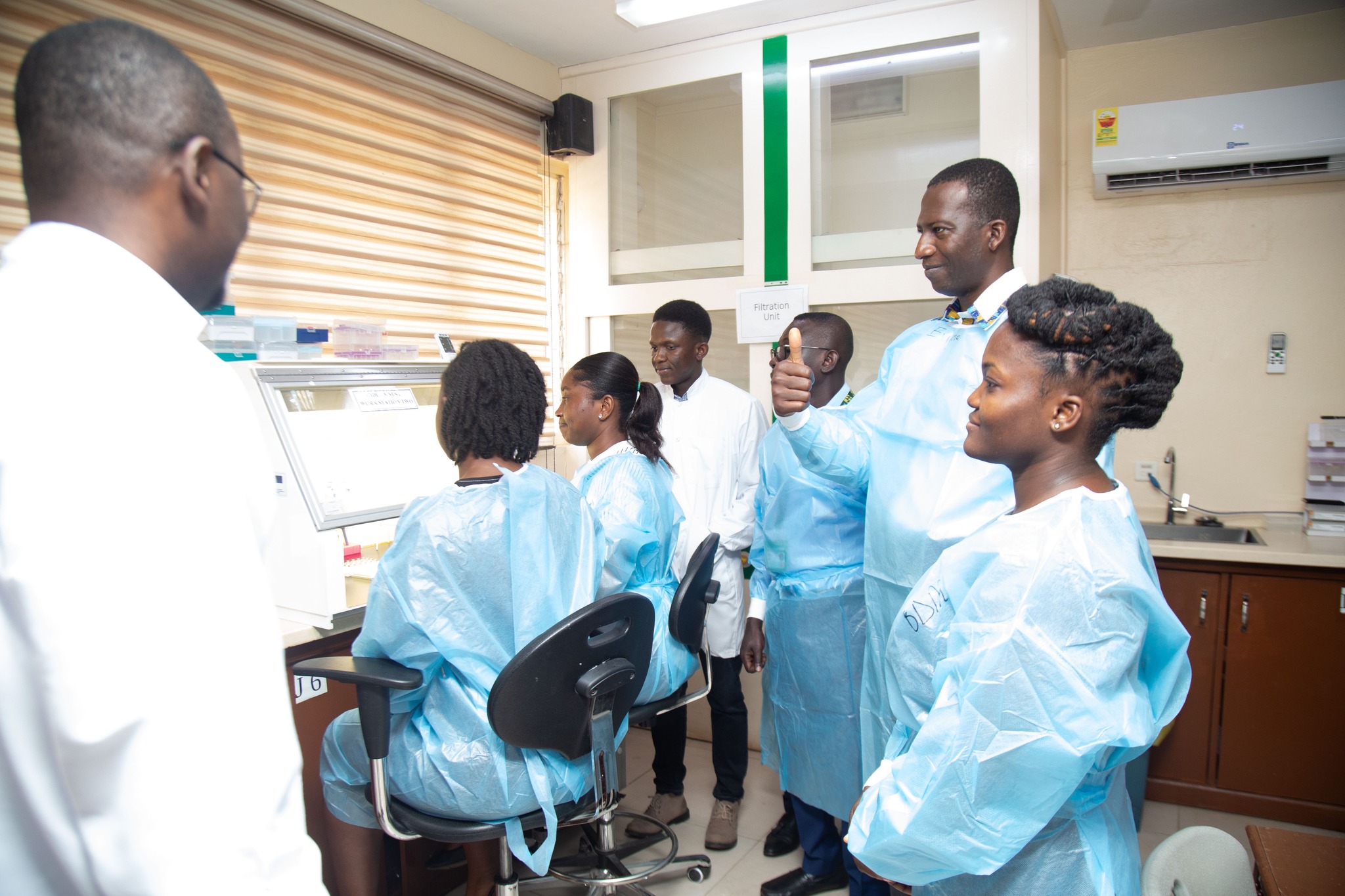
The programme combined theory-based sessions (fig 1), practical demonstrations (fig 2), and group-based scenario exercises (fig 3) to promote hands-on learning.
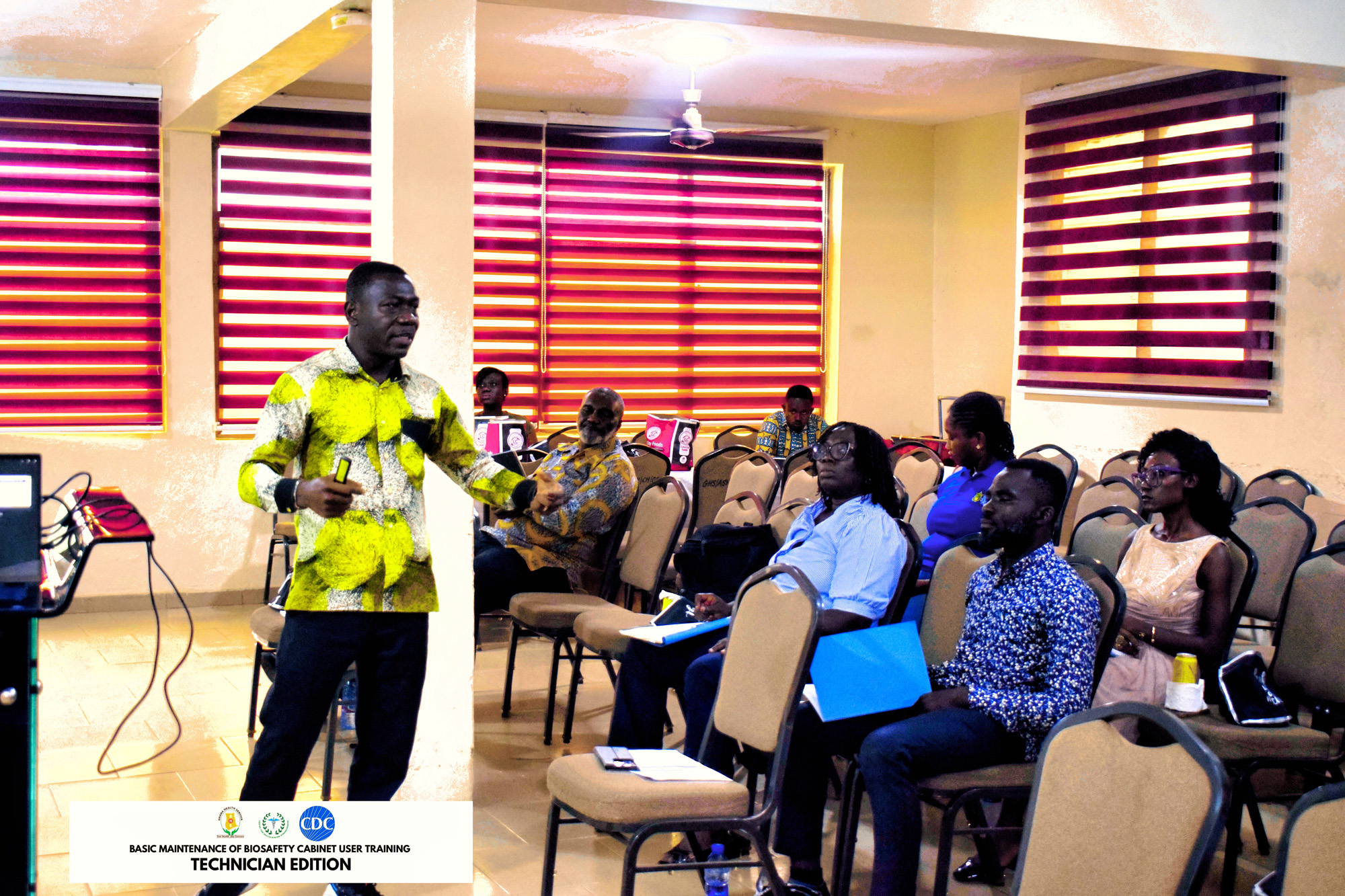
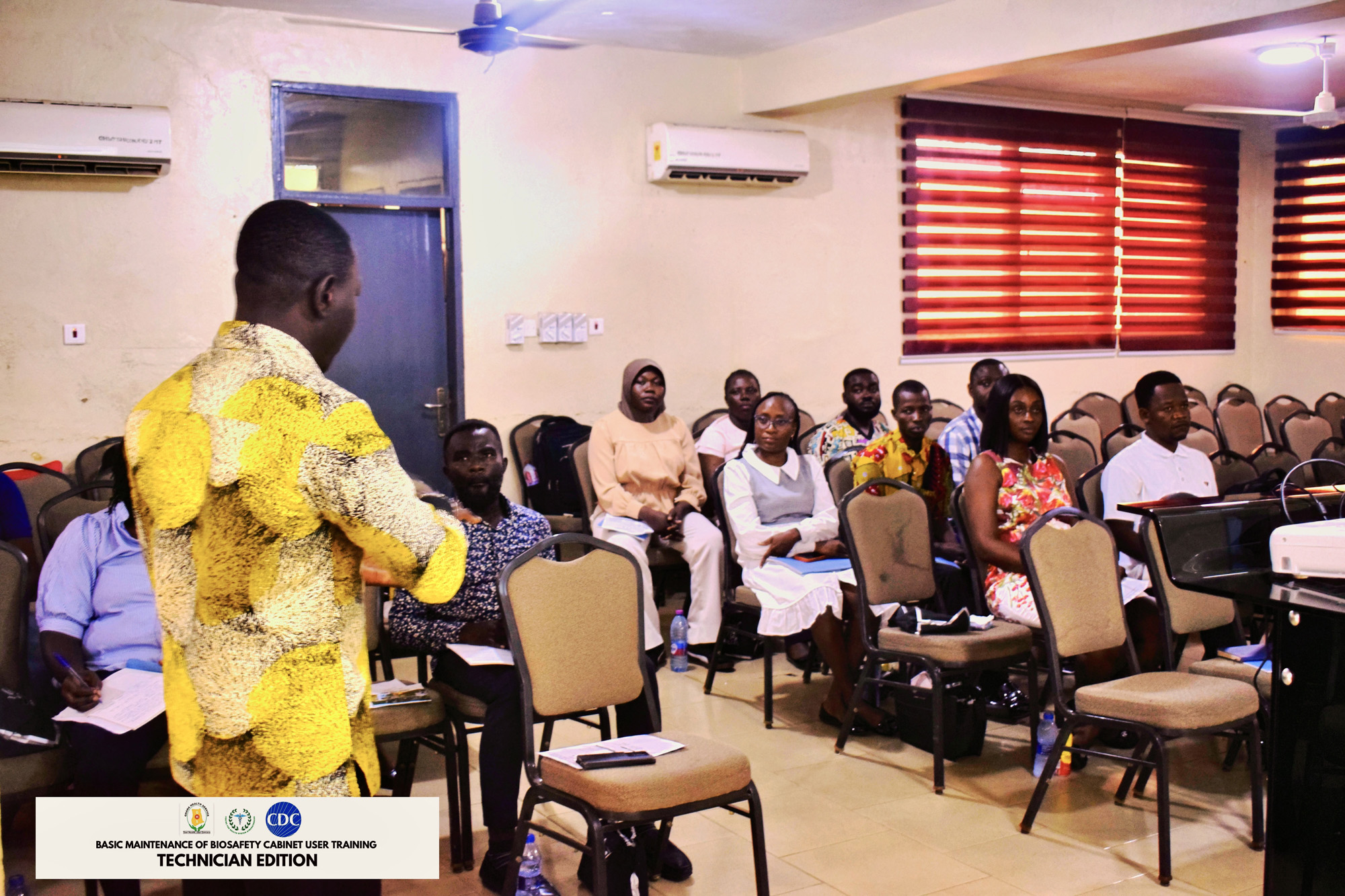
Figure 1. Theory-based sessions
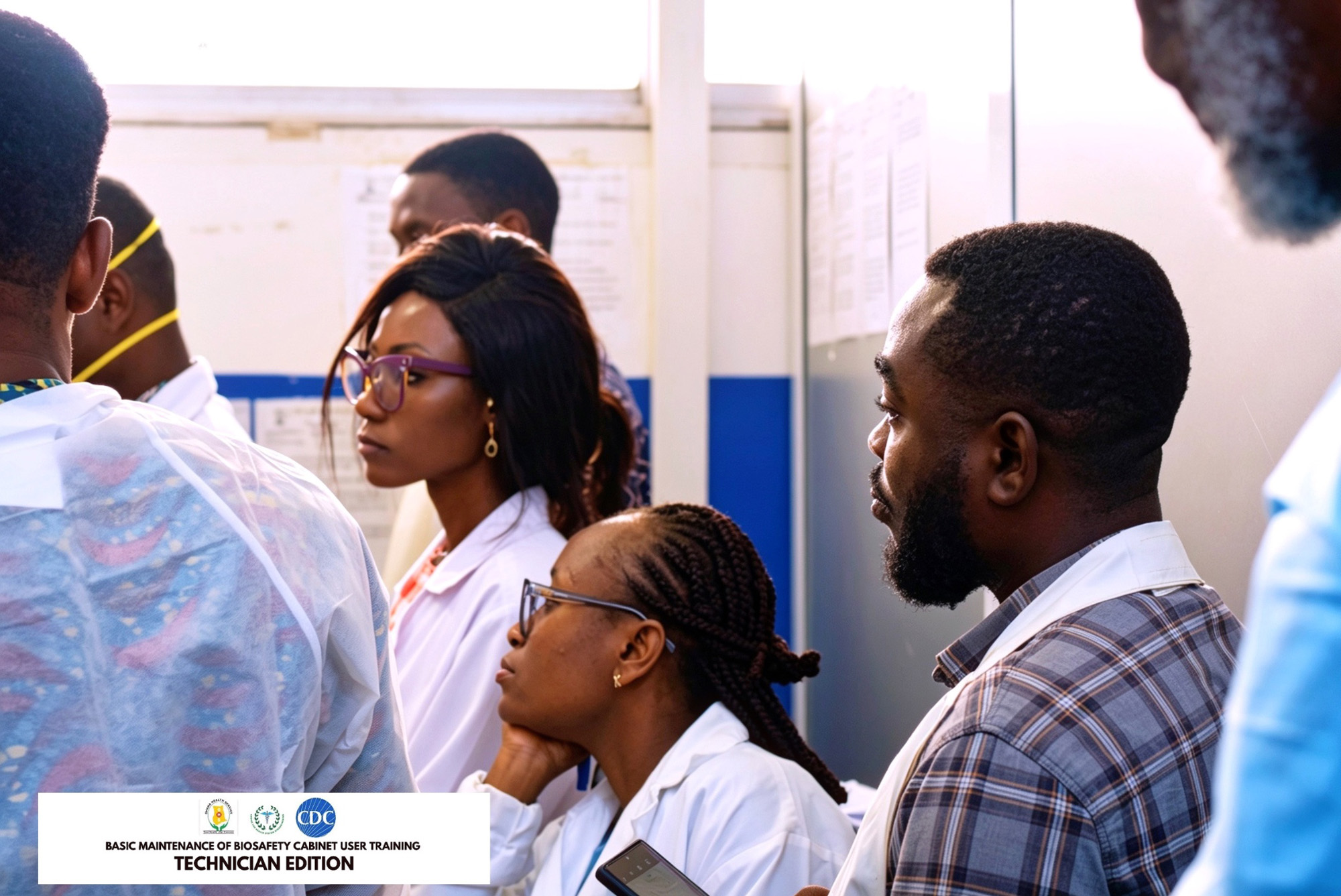
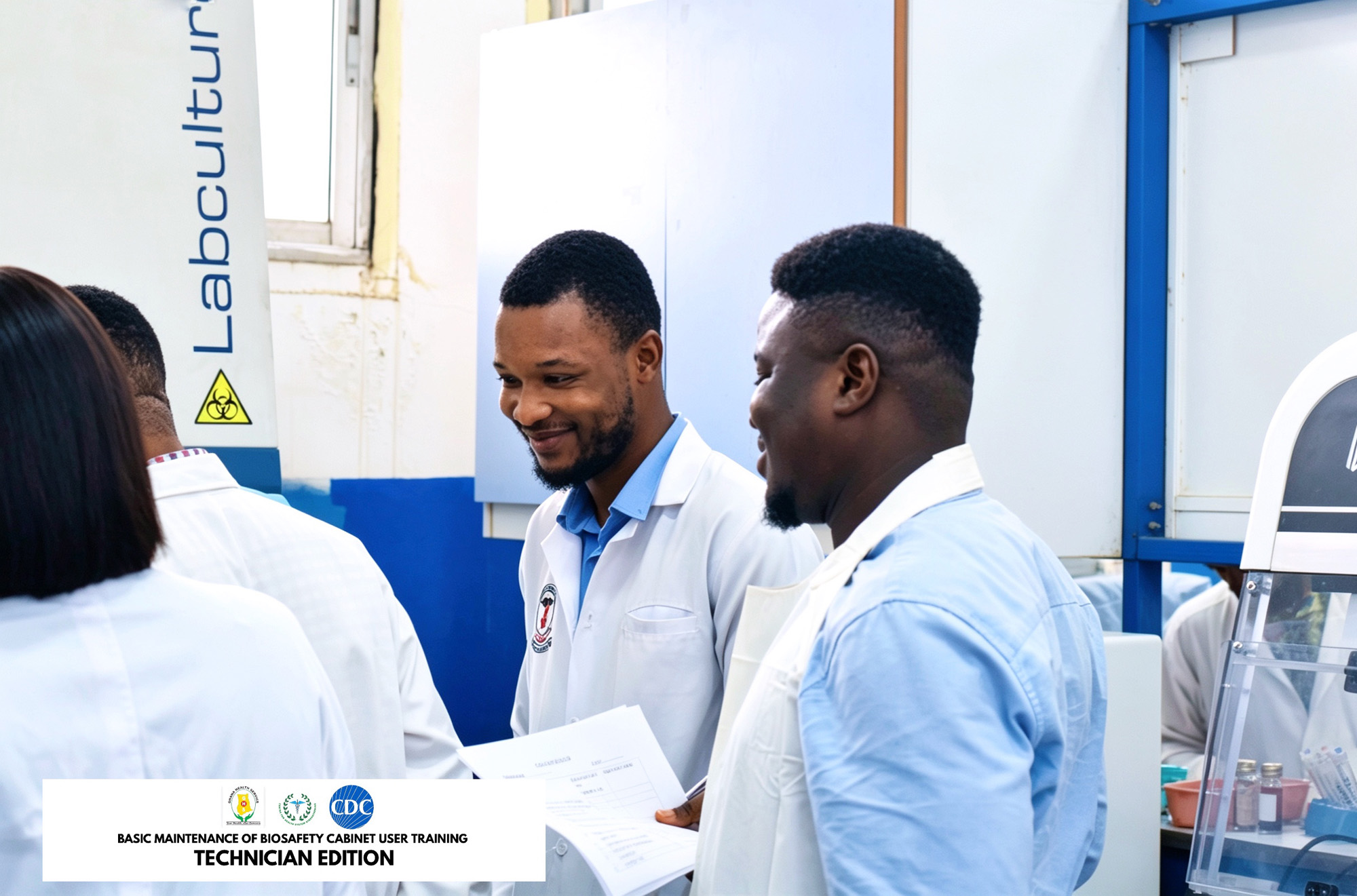
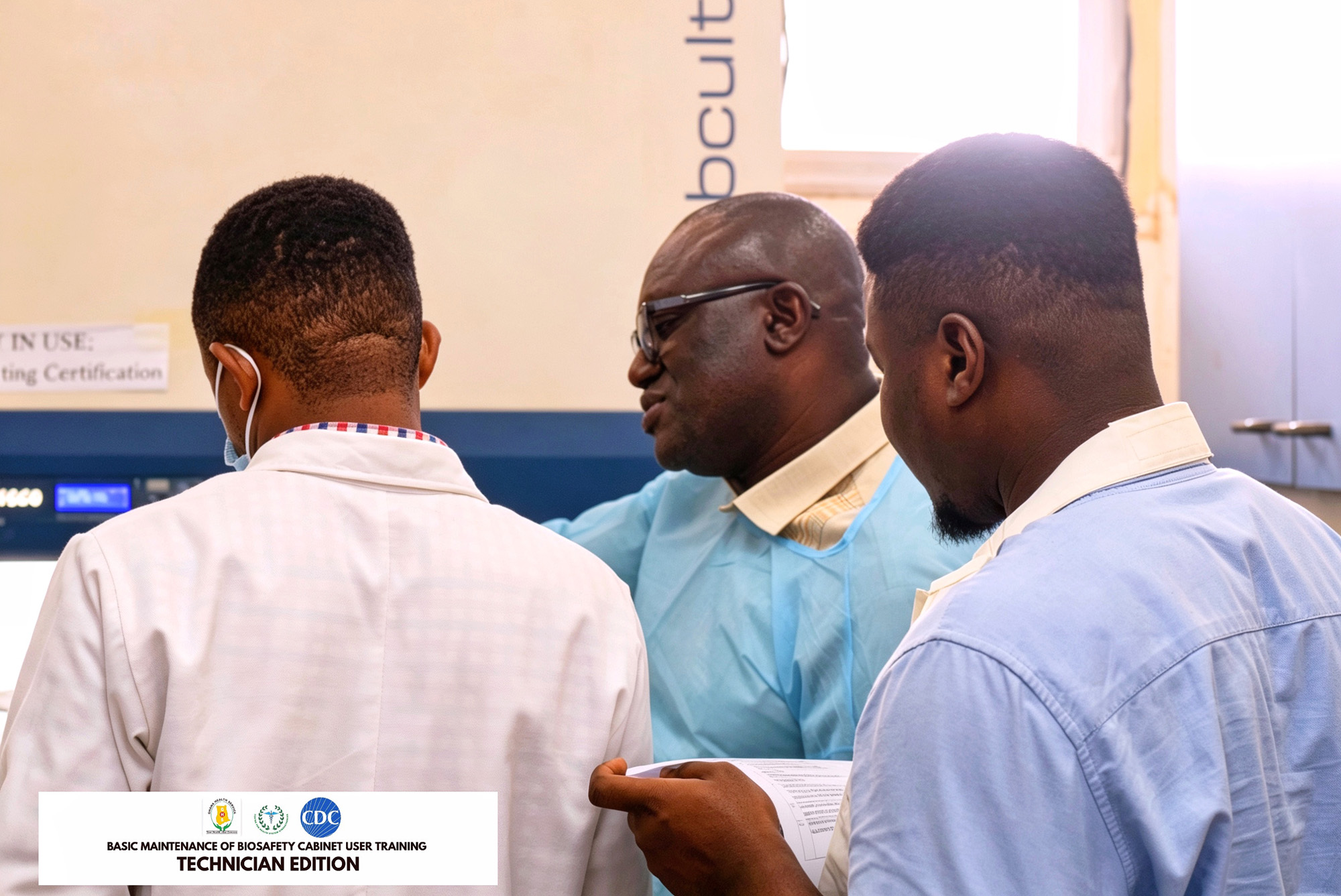
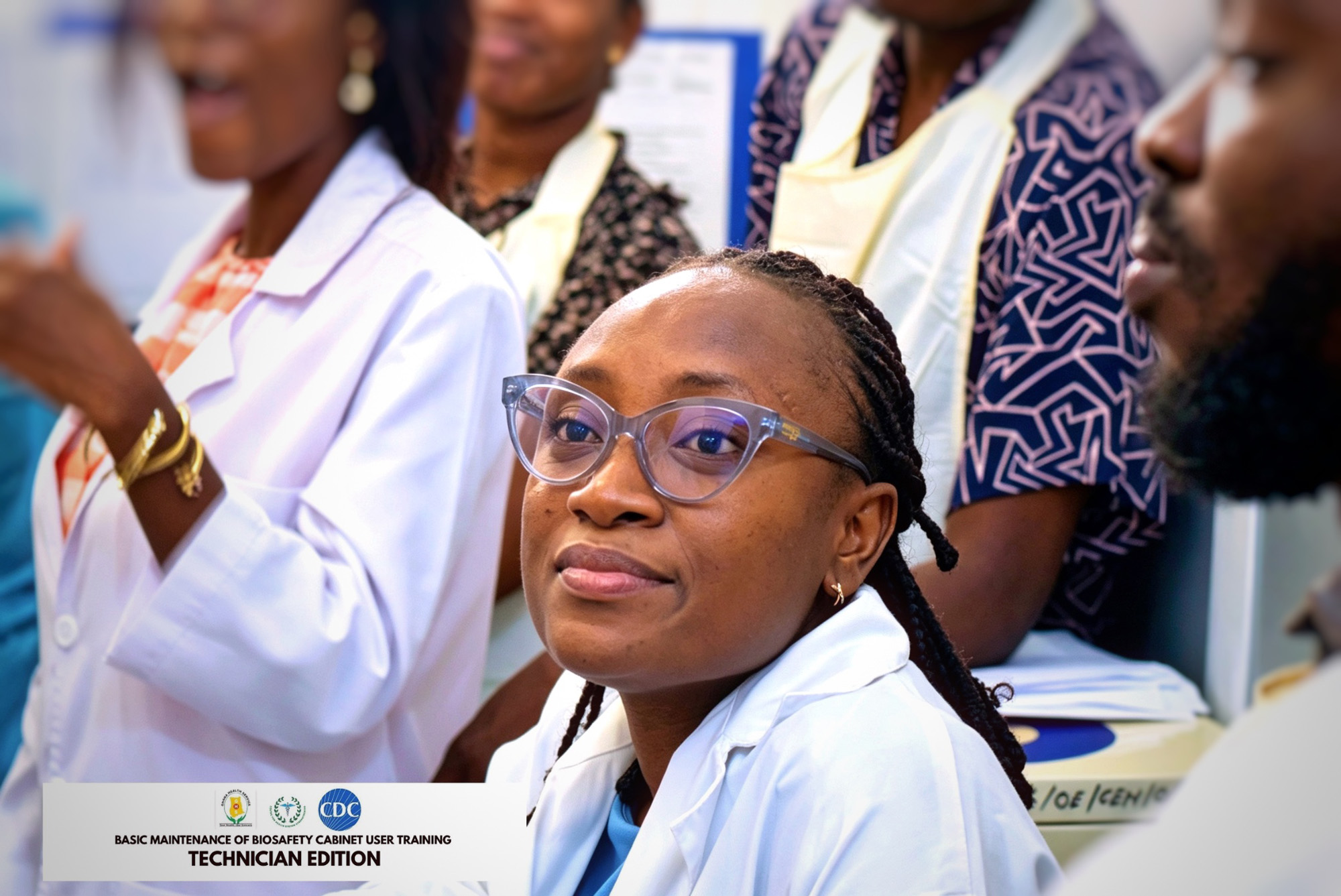
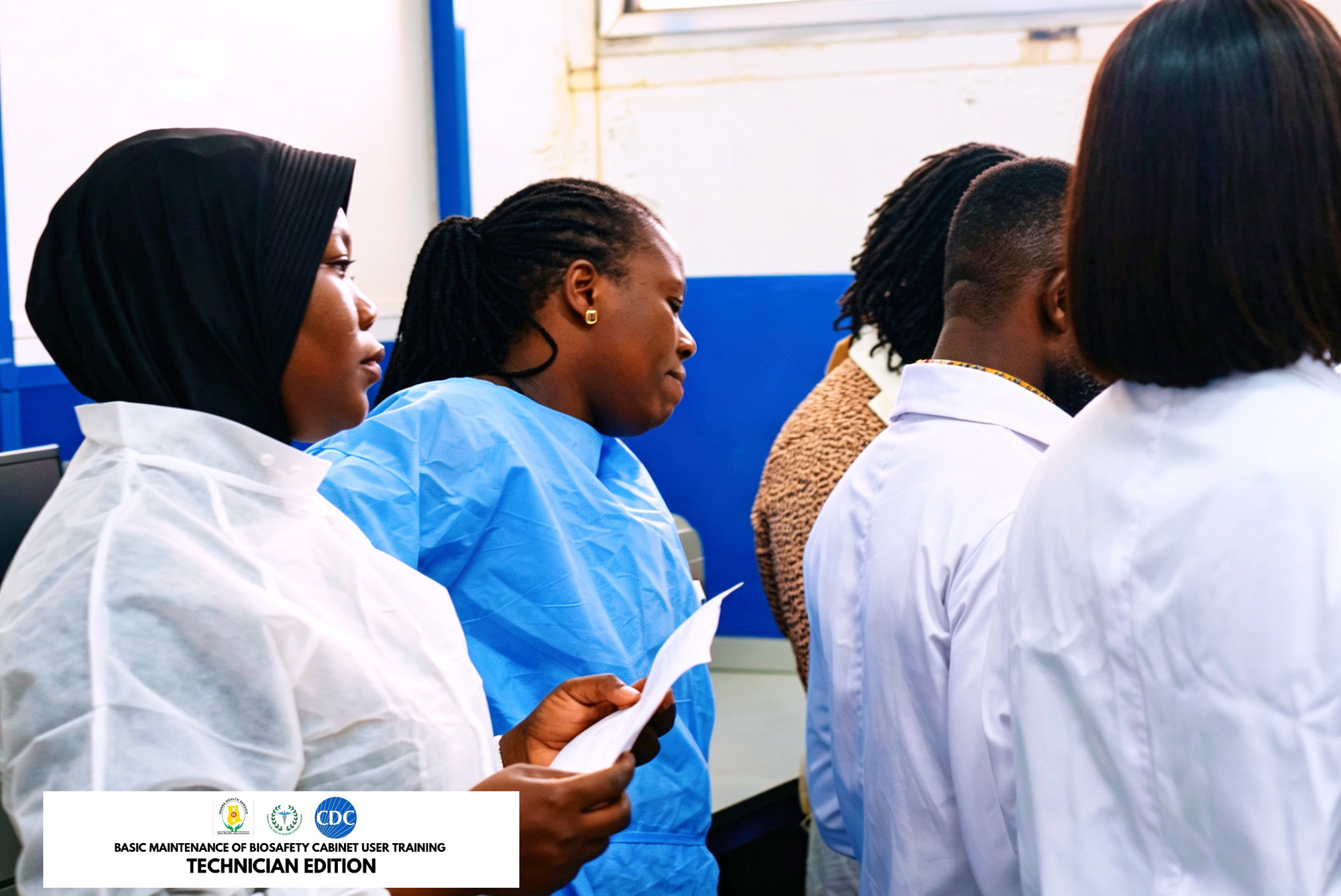
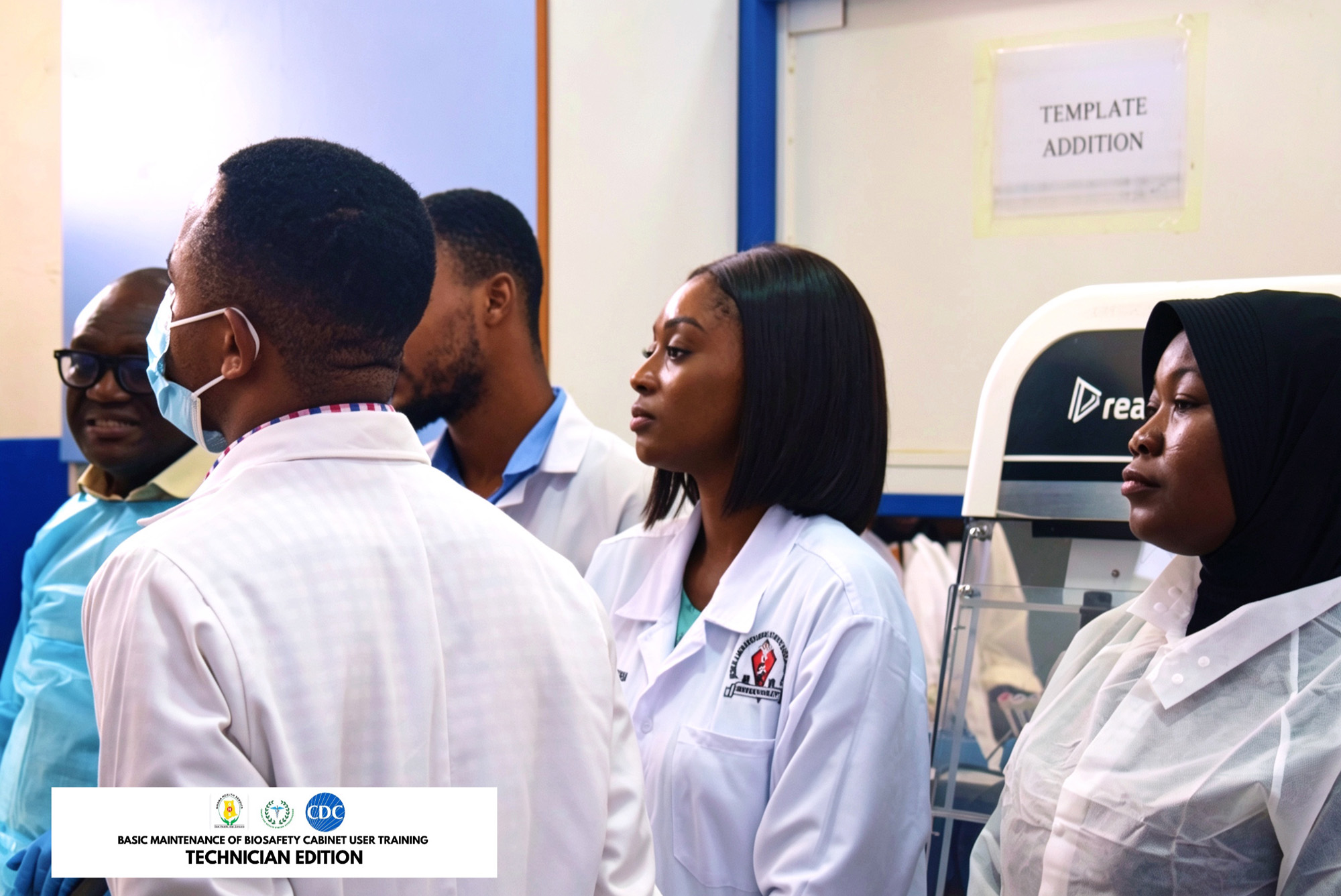
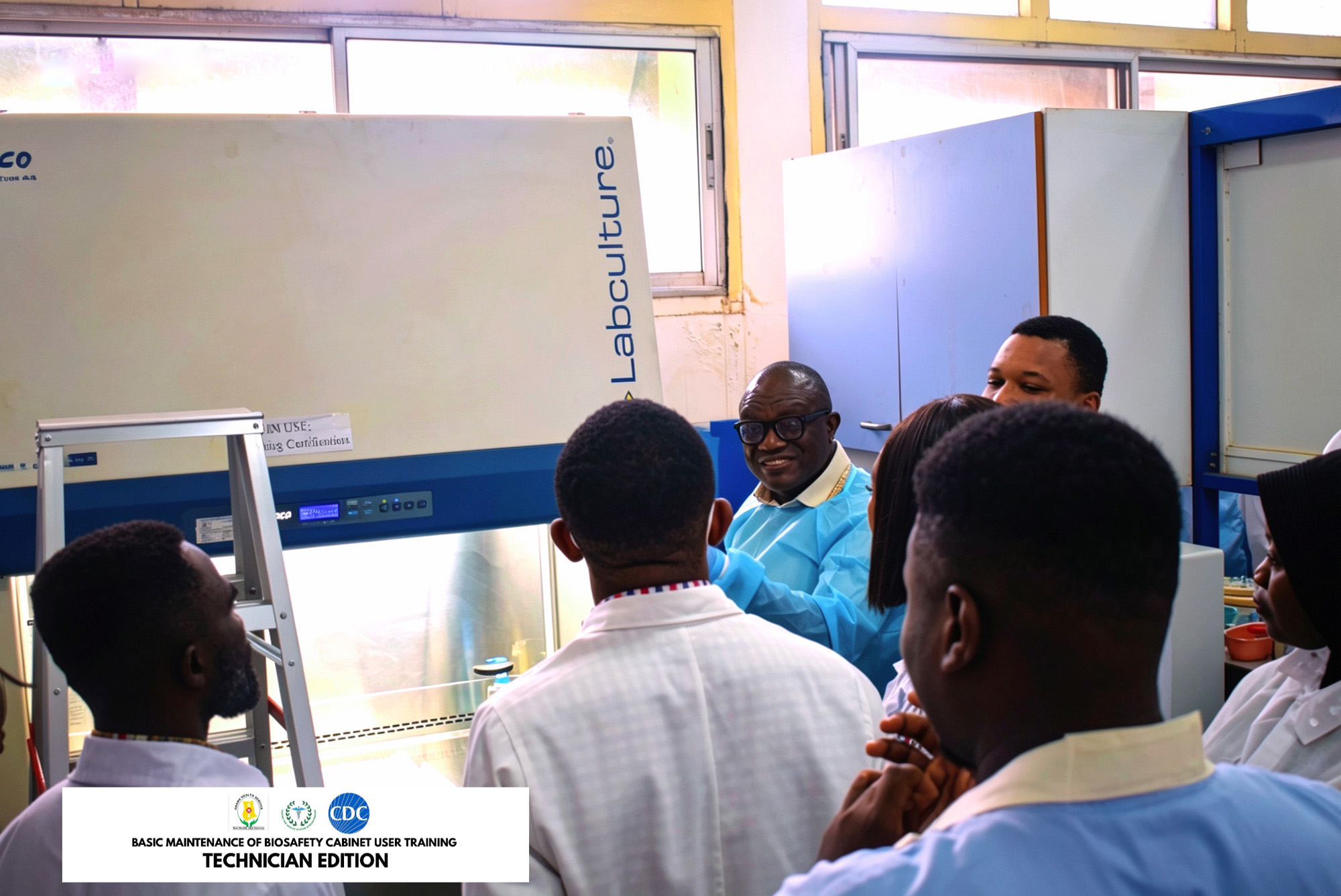
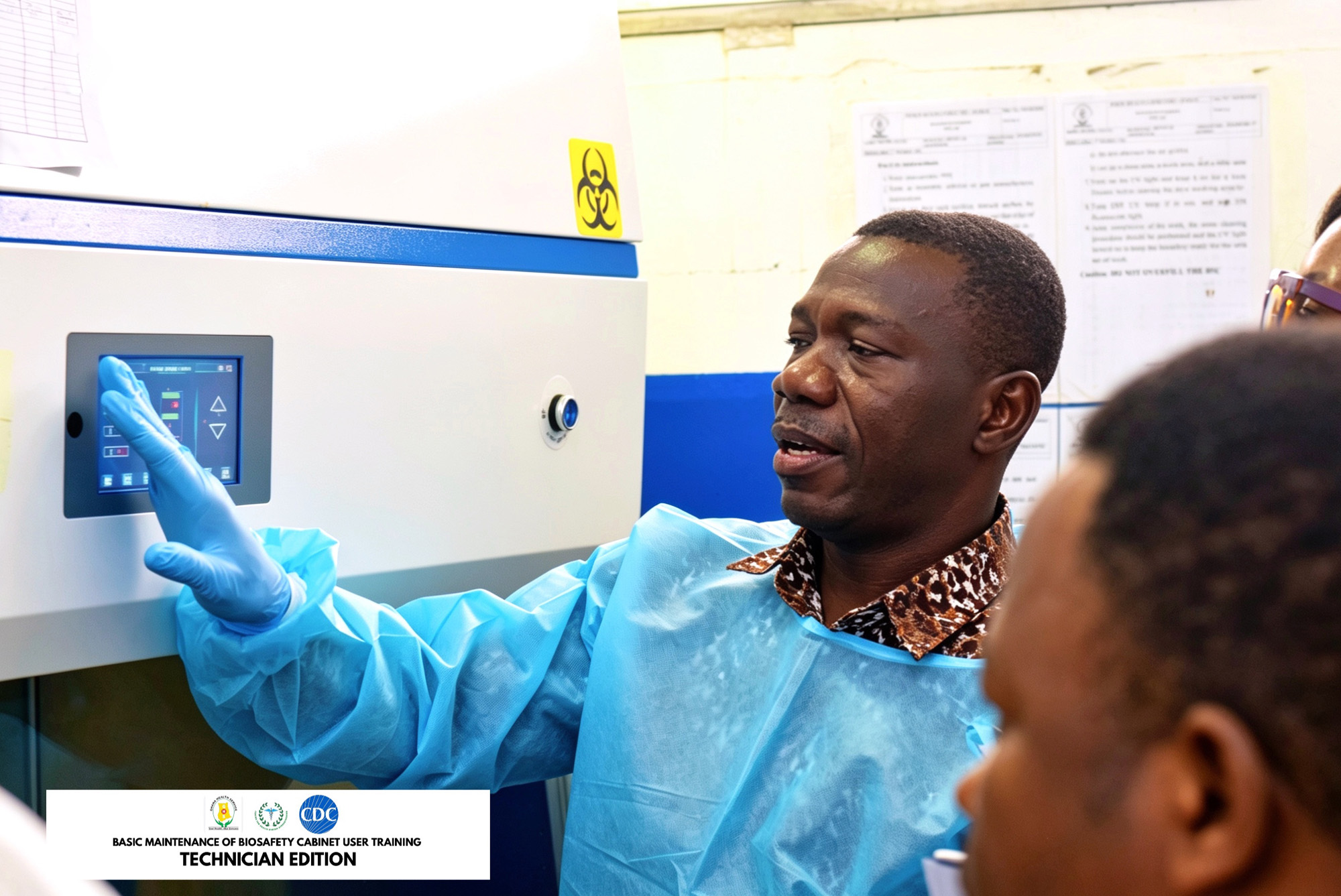
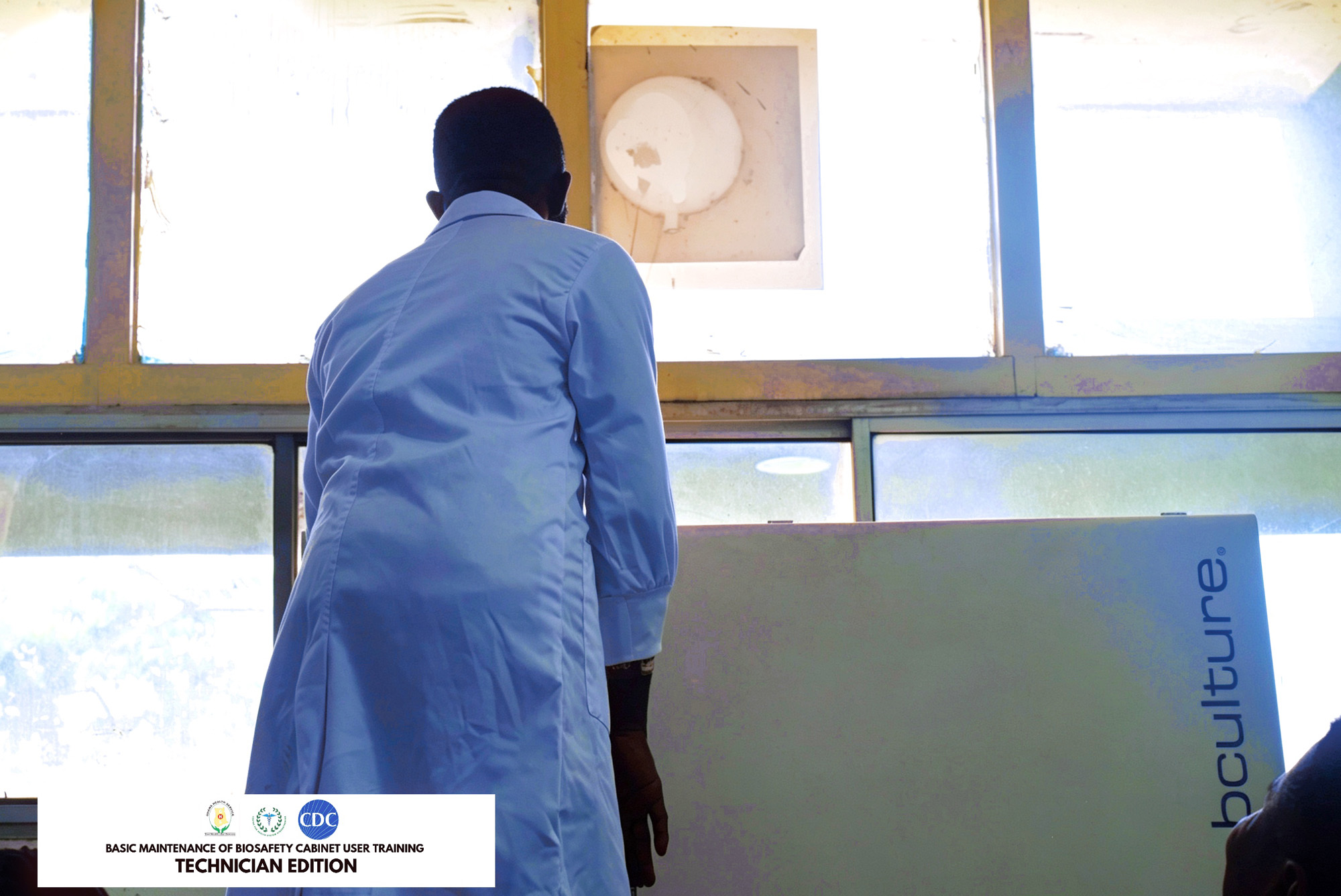
Figure 2. Practical sessions of training



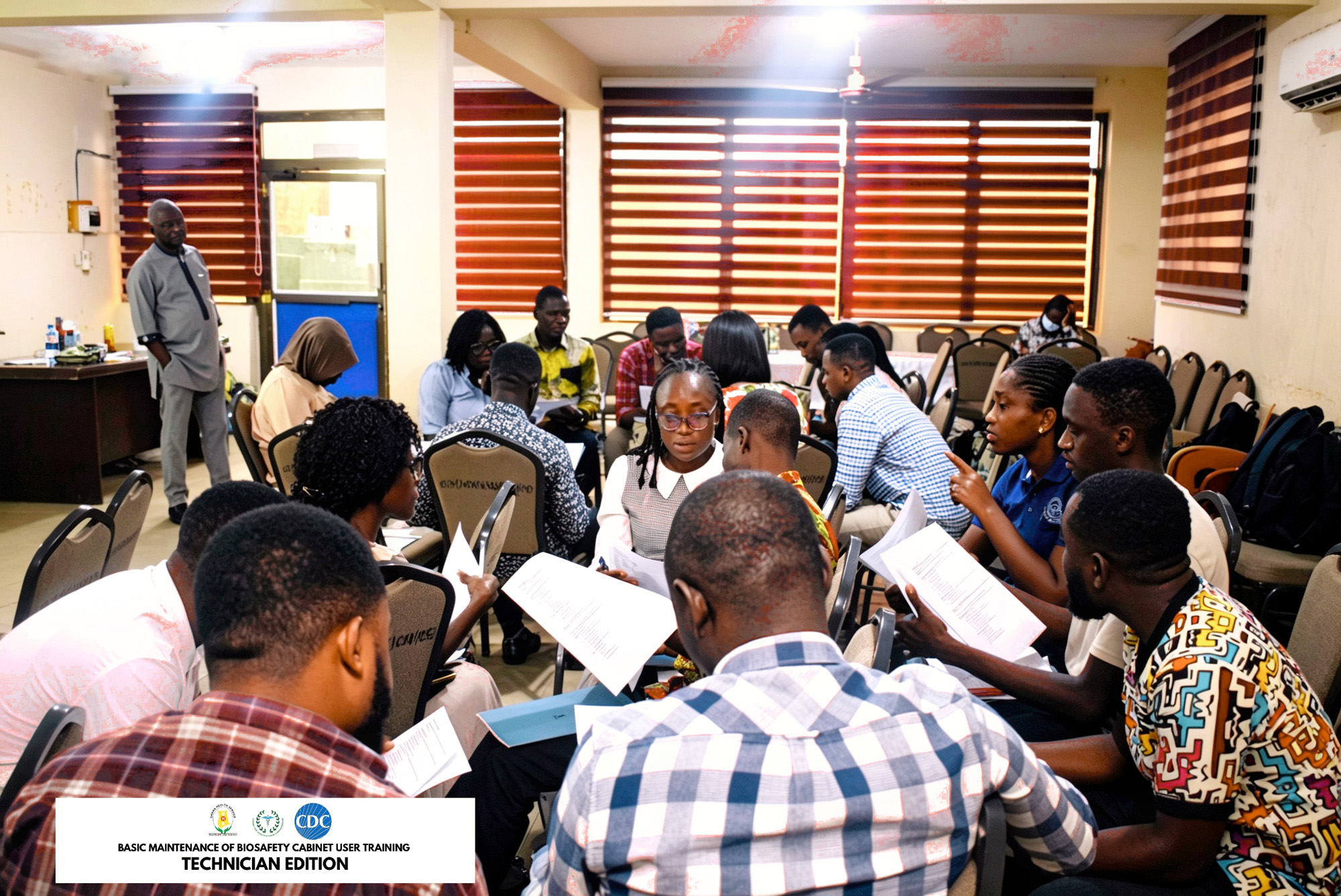

Figure 3. Group-based scenario activities and plenary sessions
Theoretical sessions covered BSC classifications, airflow systems, HEPA filtration, installation and commissioning procedures, maintenance principles, calibration, validation, metrological traceability, and regulatory compliance.
Participants were further introduced to biosafety best practices, including PPE use, disinfection procedures, emergency response, and proper documentation.
To reinforce learning, participants conducted field assessments of biosafety cabinets at Kumasi South Hospital’s Public Health Laboratory. Working in groups, they evaluated installation conditions, operational performance, maintenance needs, and biosafety compliance. Scenario-based exercises simulated real laboratory challenges, enabling participants to strengthen problem-solving and decision-making skills. Group presentations and plenary discussions facilitated peer learning and consensus on best practices.
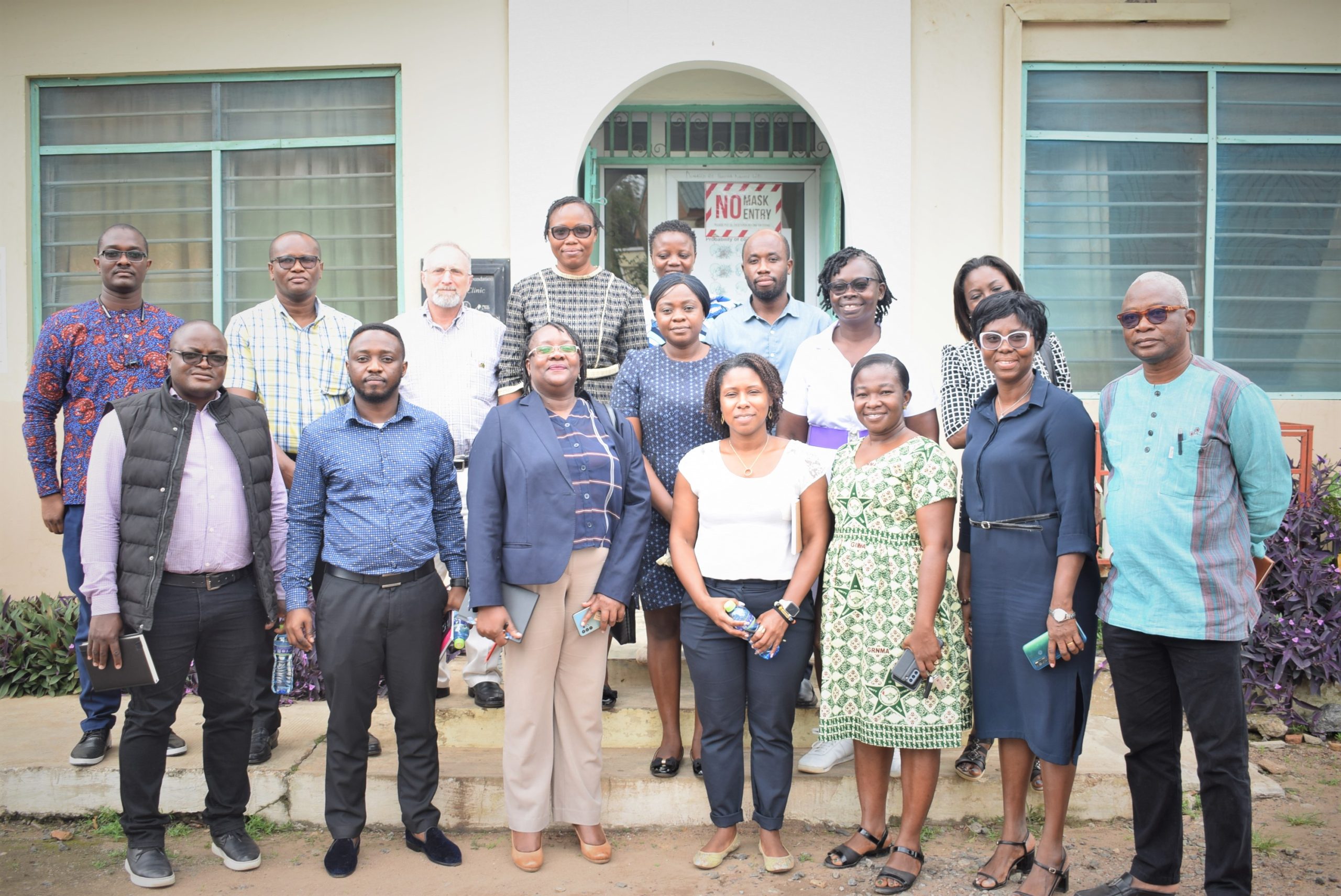
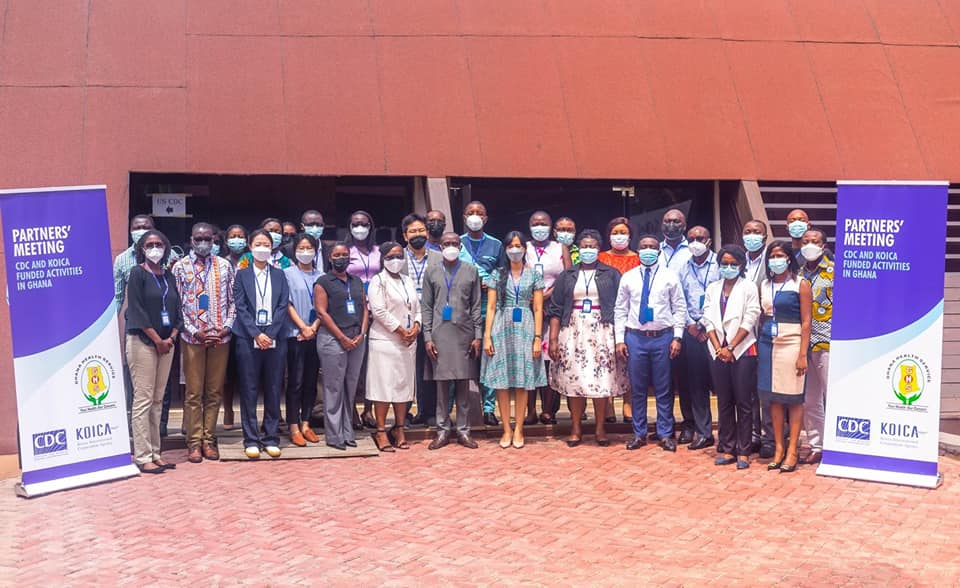
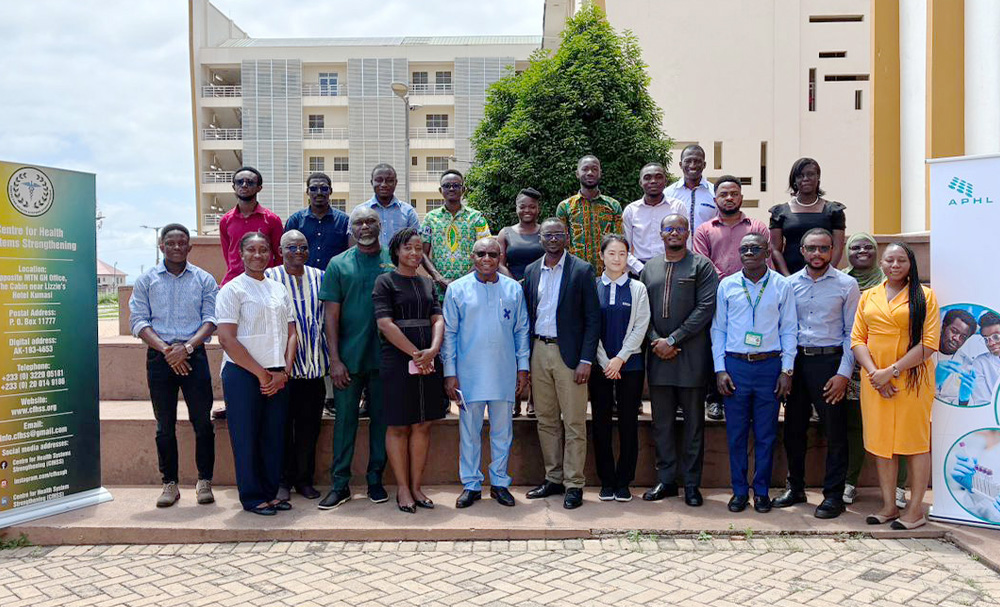
A total of 17 laboratory professionals participated, drawn from key institutions including the National Public Health and Reference Laboratory, Ghana Infectious Disease Centre, Tamale and Sekondi Public Health Laboratories, Kumasi Public Health Laboratory, Genomics and Infectious Disease Laboratory, and the KNUST-IVI Collaborative Centre. Participants were predominantly Medical Laboratory Scientists, with representation from technicians, quality officers, and biochemists.
Evaluation results demonstrated a significant improvement in knowledge following the training. Mean pre-test scores increased from 39.82 ± 5.8 to 46.71 ± 4.2 post-training (p < 0.0001), confirming the effectiveness of the programme. Participant feedback further indicated high overall satisfaction (4.80/5.00), with strong ratings for facilitators’ expertise (4.72/5.00) and improved confidence in biosafety practices (4.41/5.00) and BSC maintenance (4.29/5.00). Calibration was identified as an area requiring further advanced training. Participants noted that while the training was highly impactful, the duration was relatively short, with recommendations for extended practical sessions in future holopelagic.
Overall, the training successfully strengthened participants’ competencies in biosafety cabinet management, improving their readiness to apply safe laboratory practices and ensure compliance with national and international biosafety standards. CfHSS and GHS remain committed to continuous capacity building to enhance laboratory safety and diagnostic quality across Ghana.
Gallery
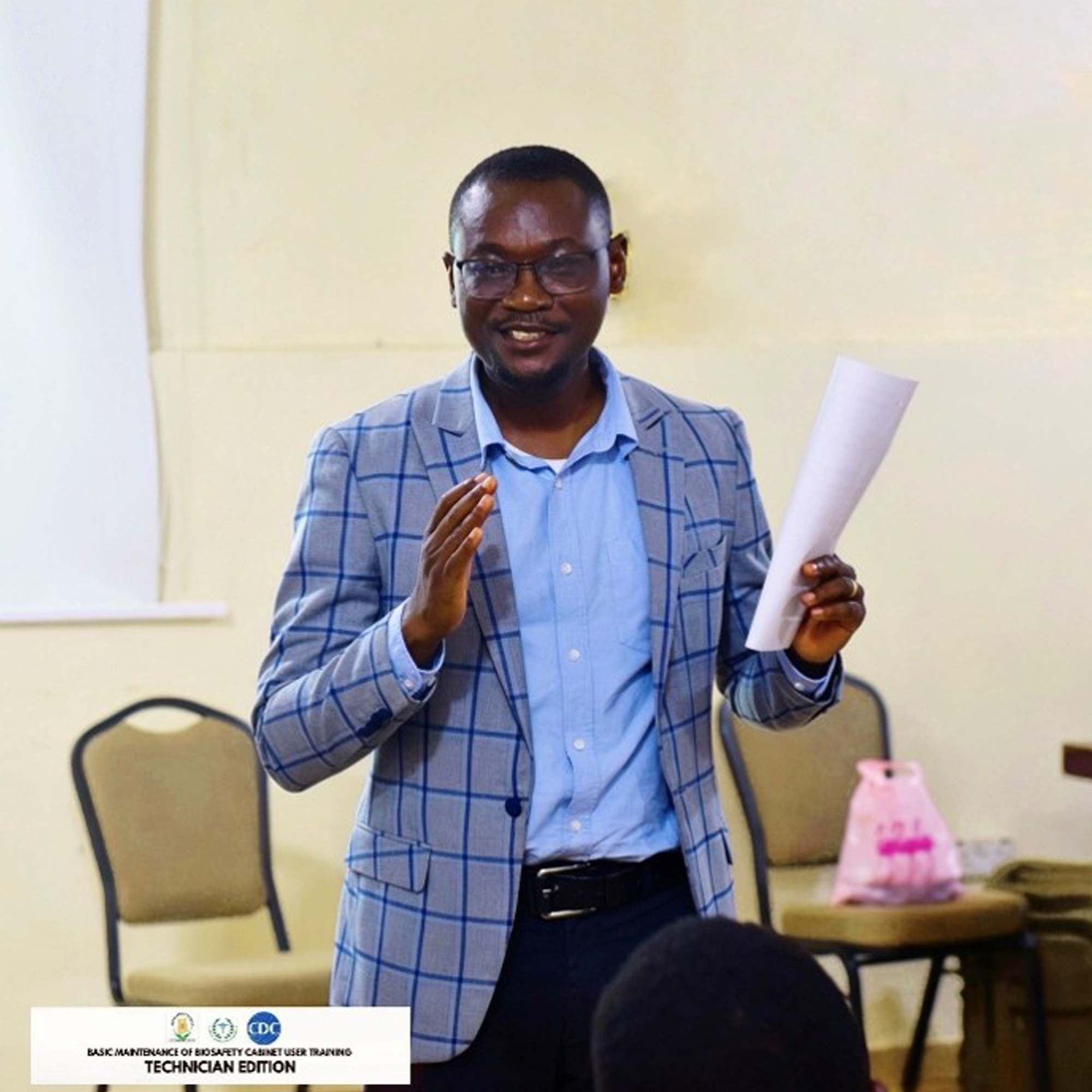
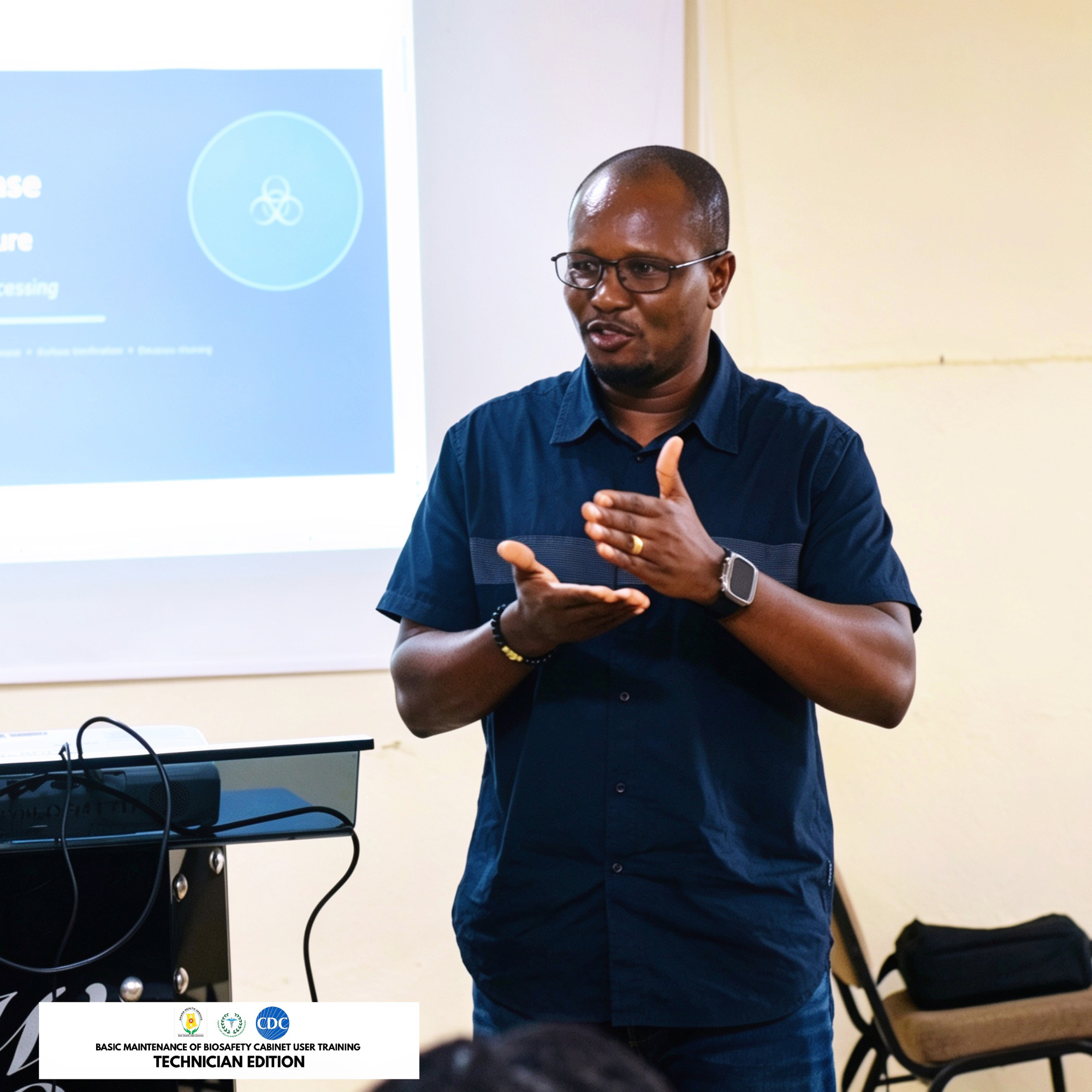
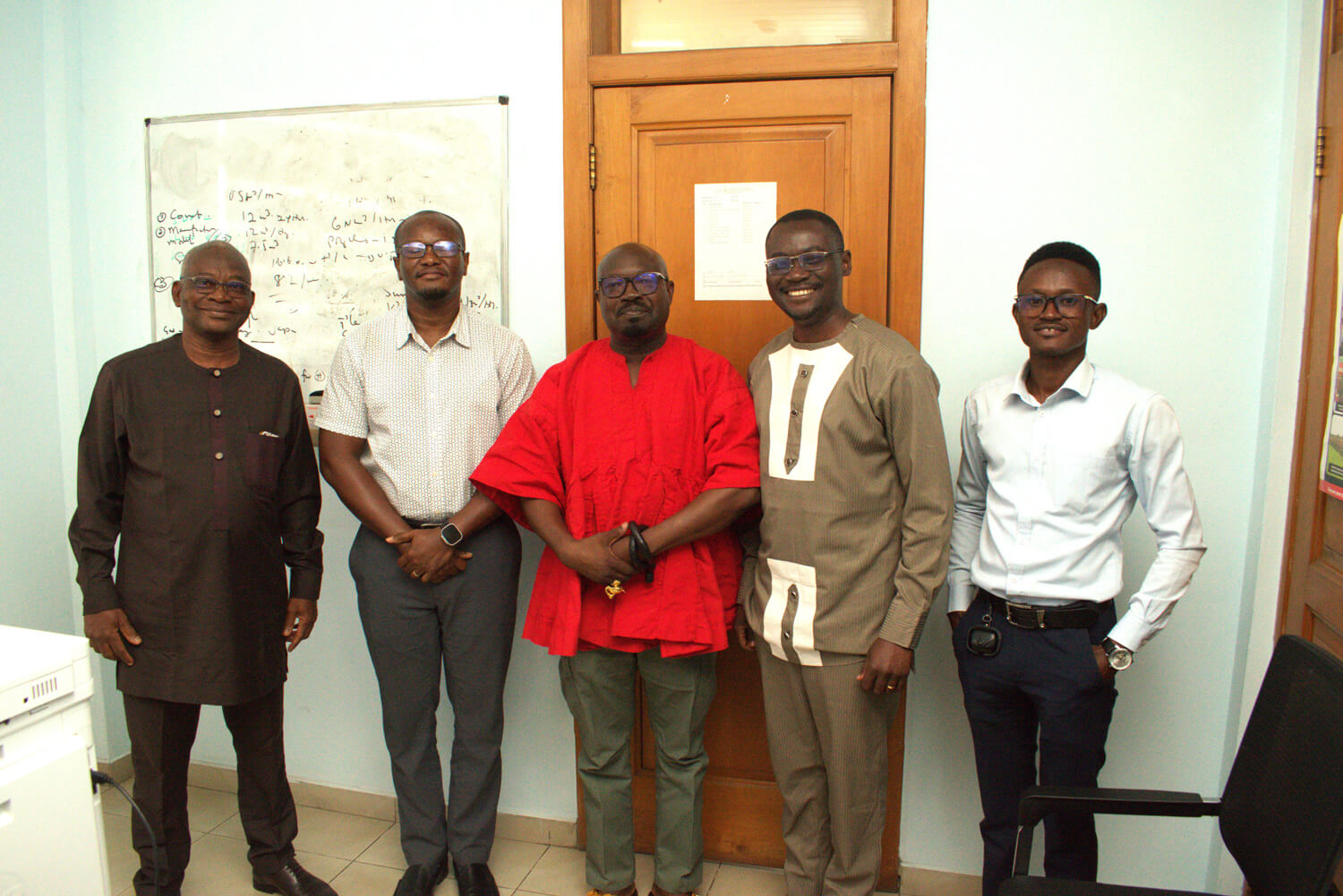
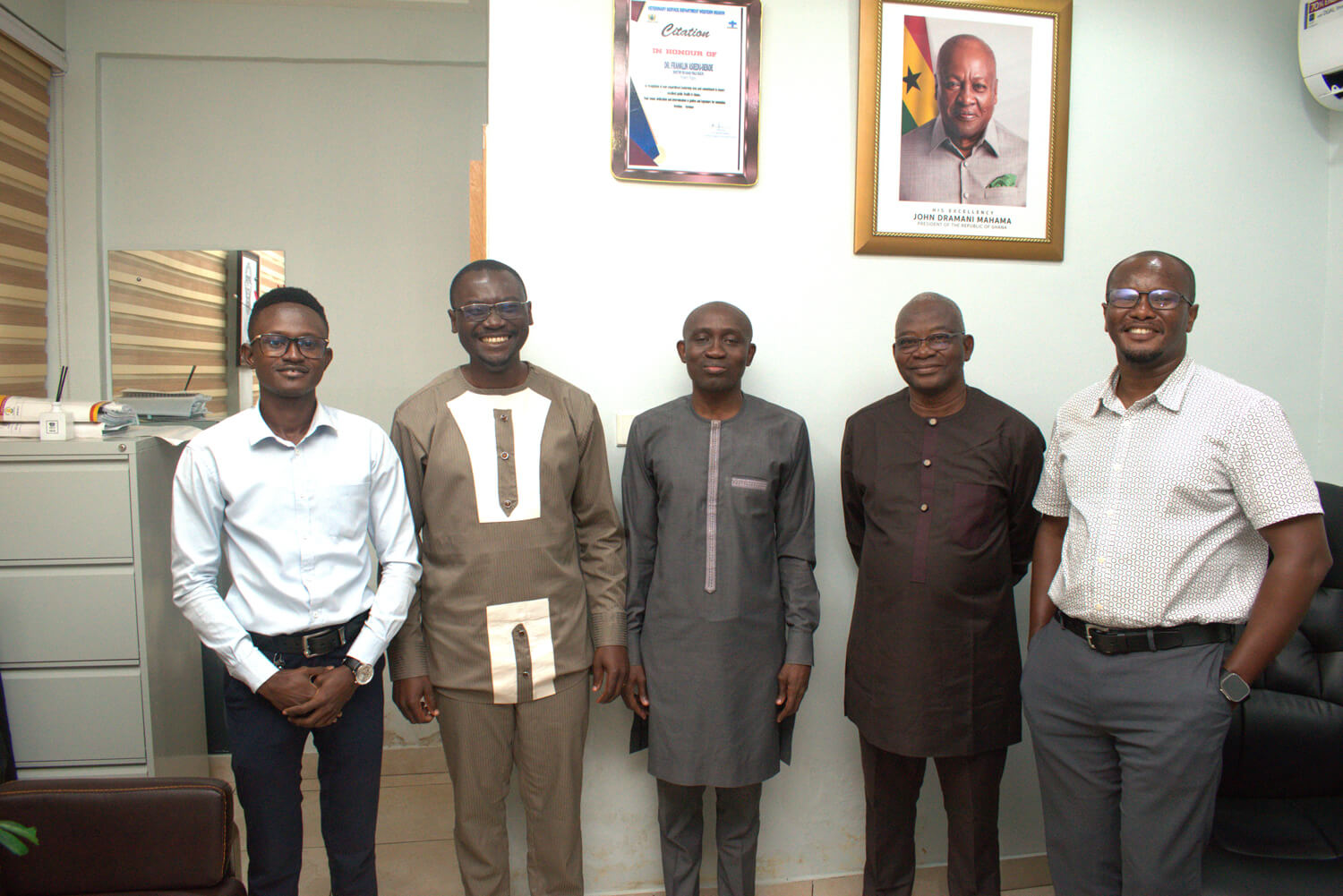
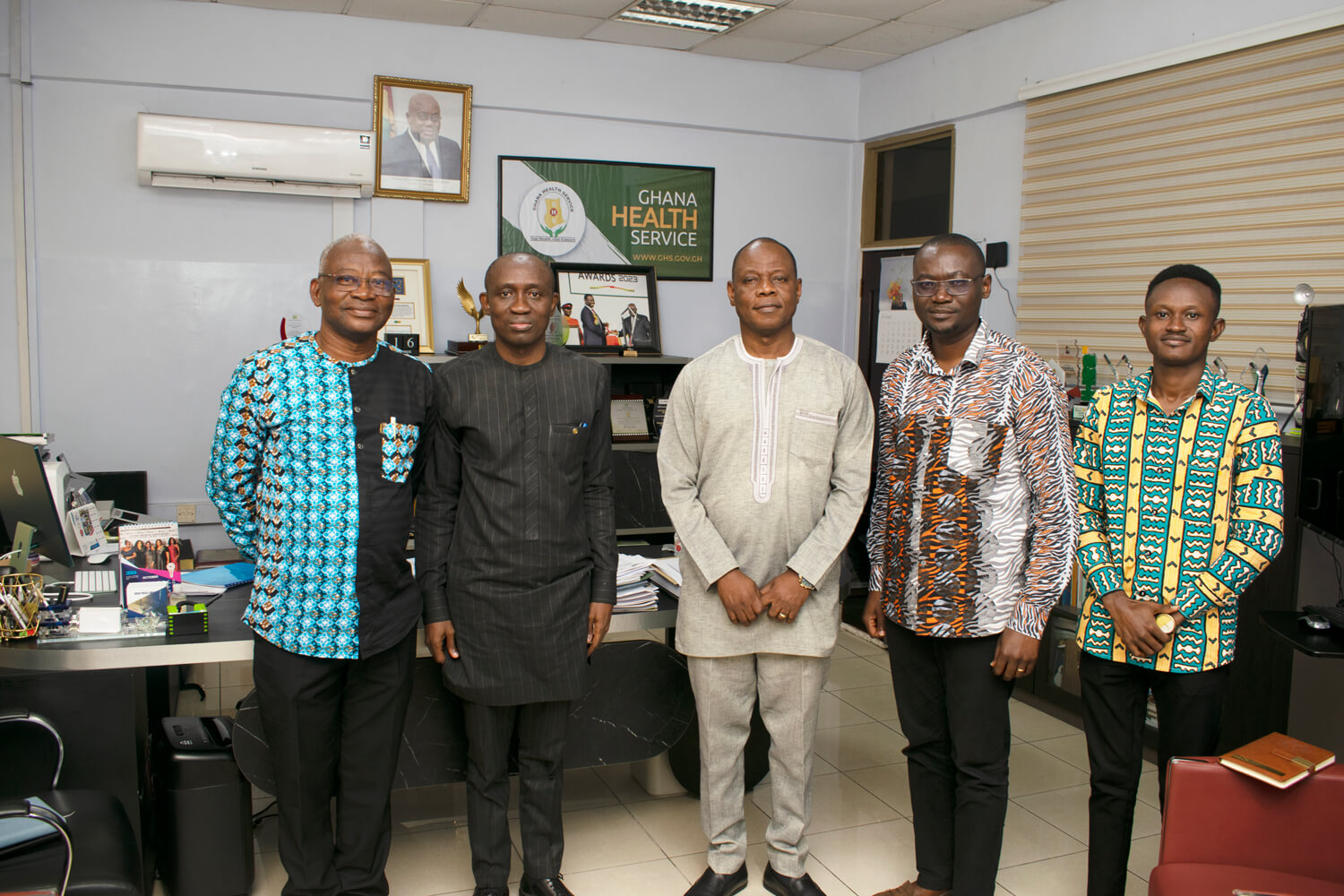
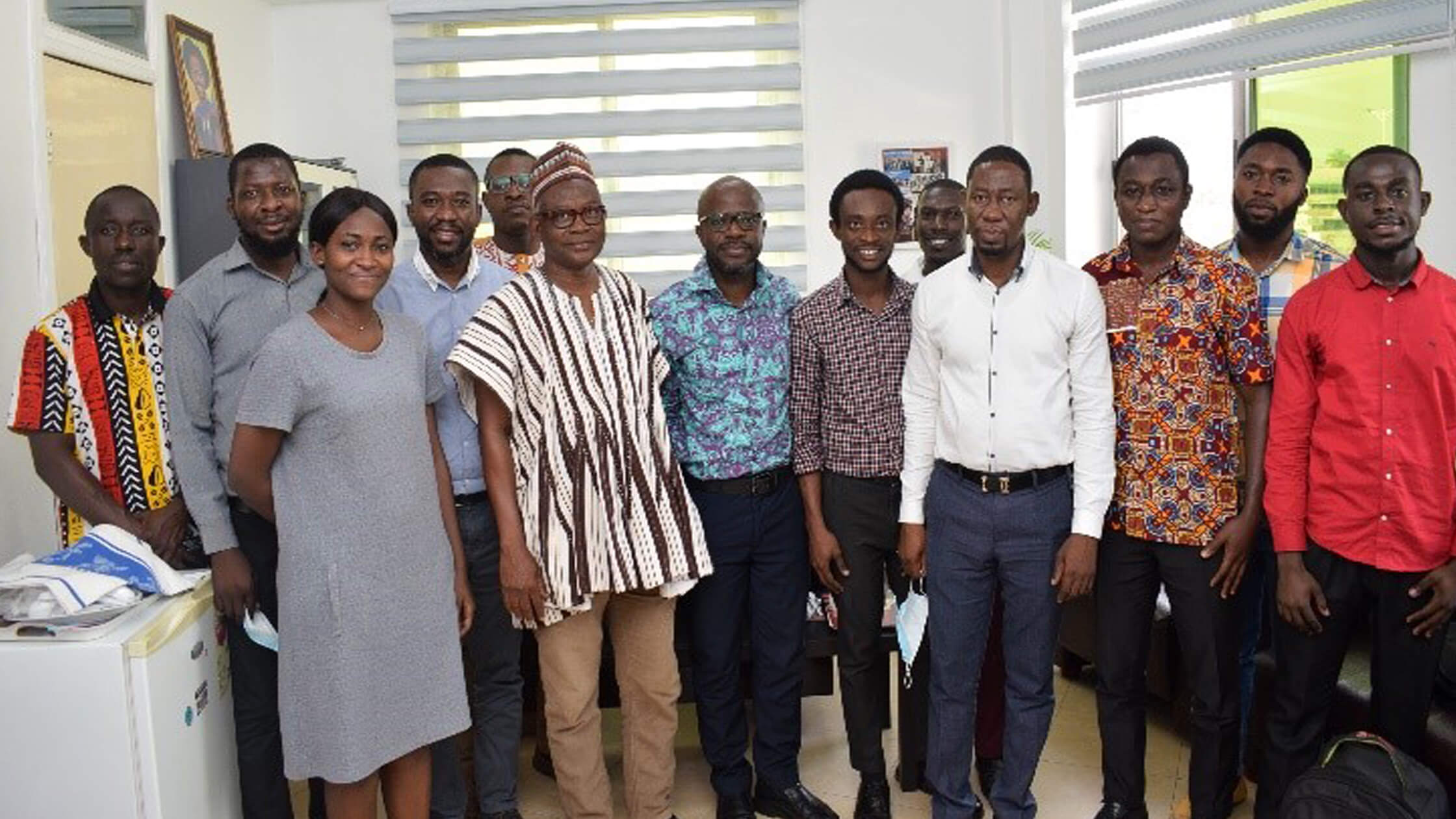
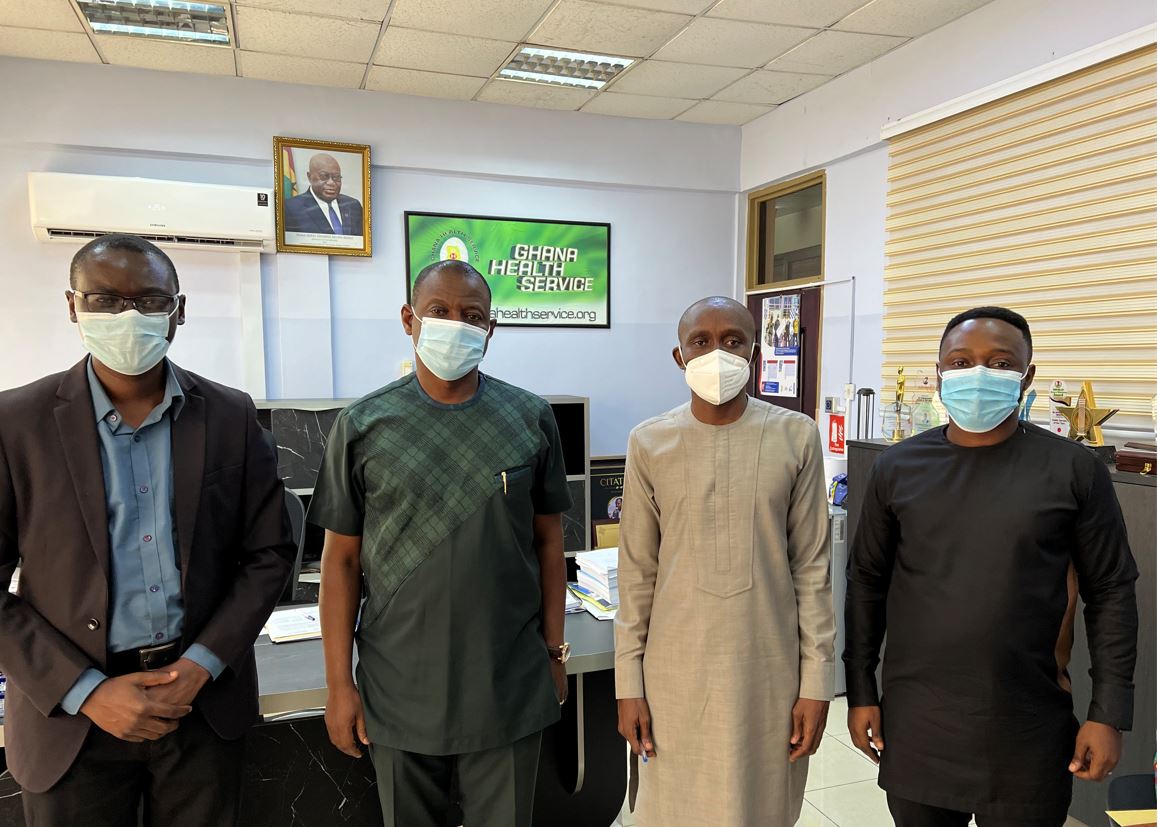
Introductory remarks from Executive Director, CfHSS and Laboratory technical Lead, US CDC.
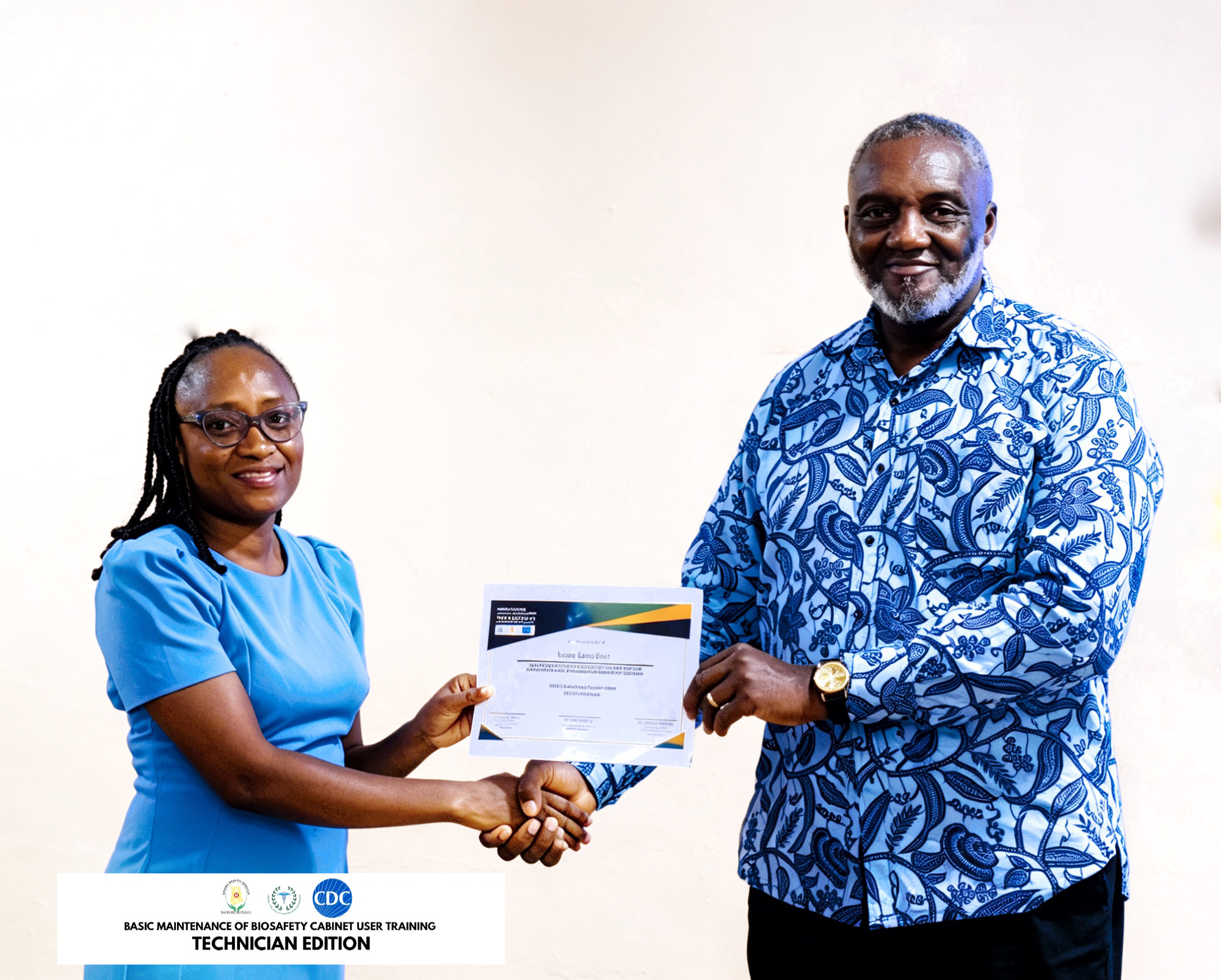

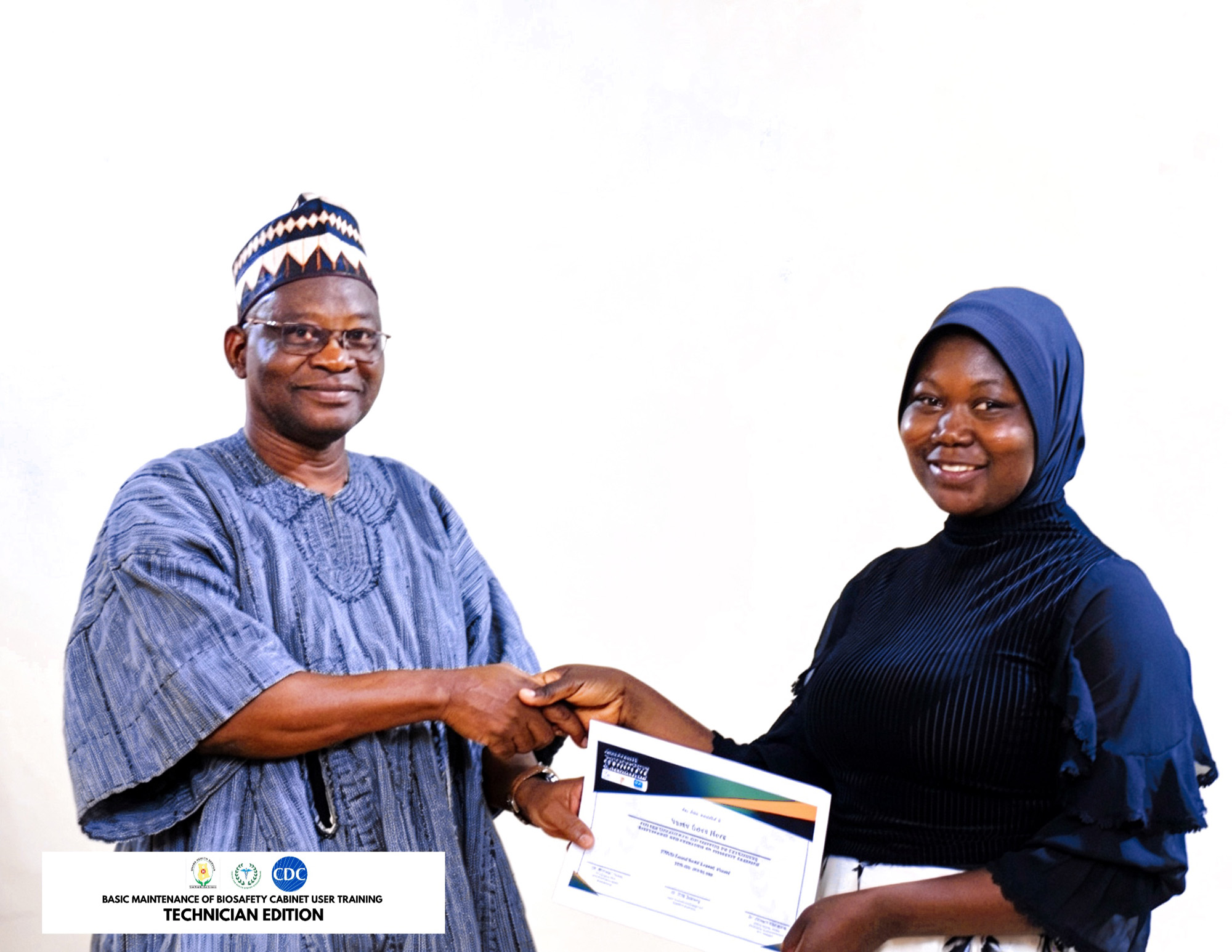
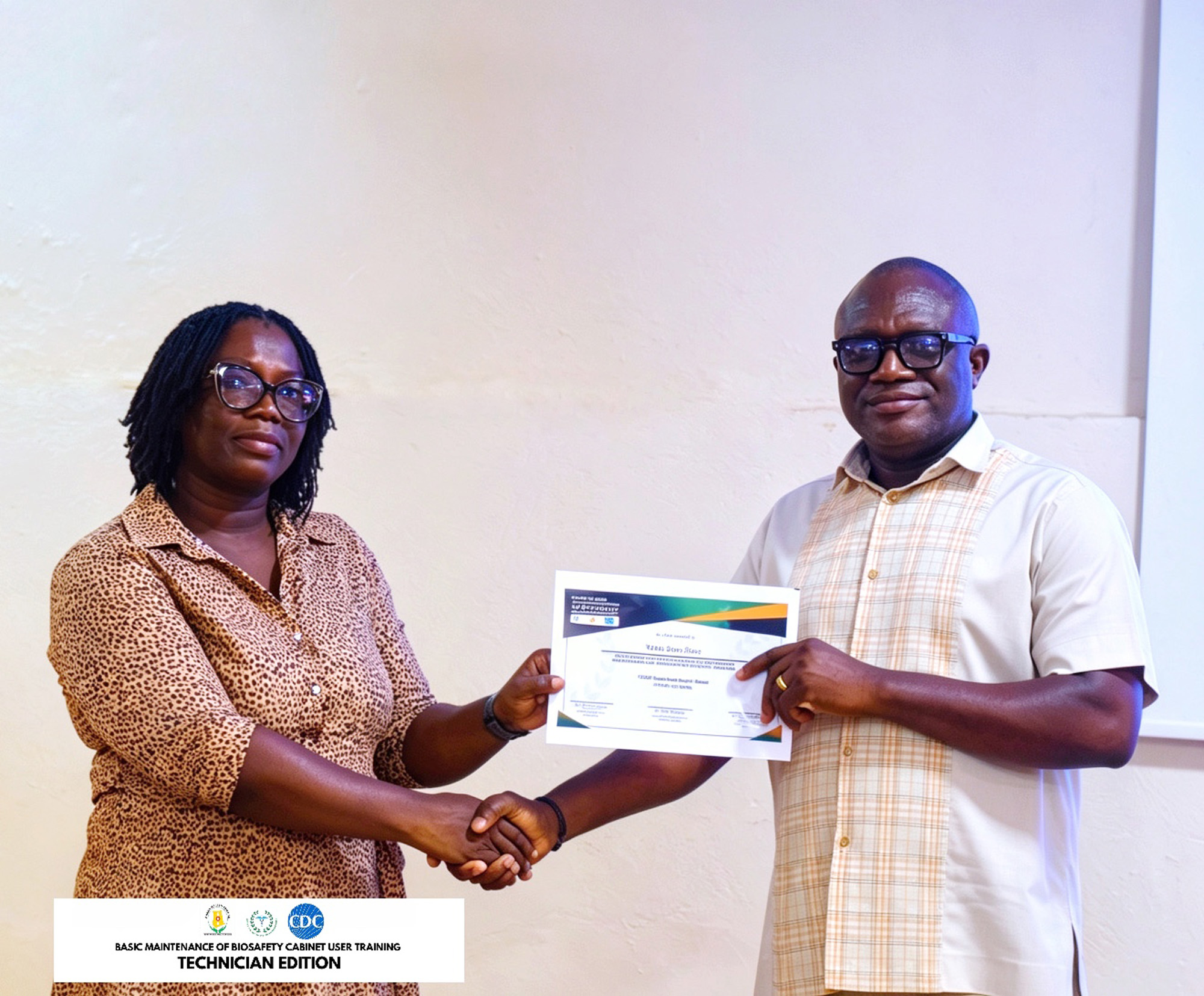
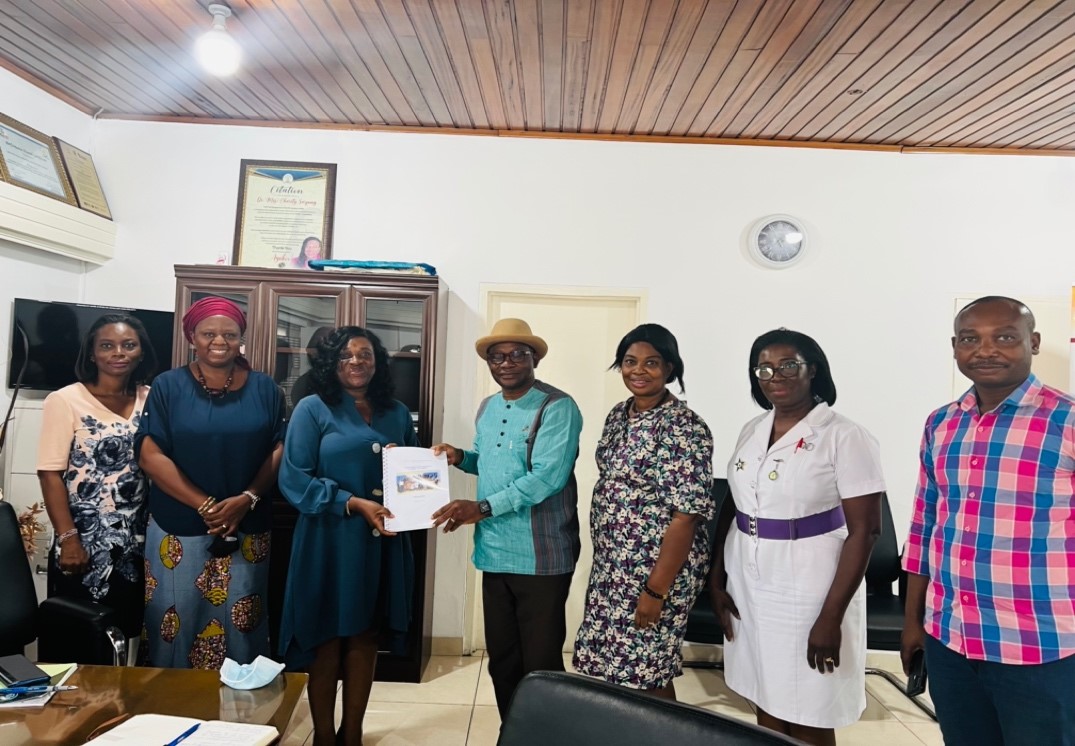
Presentation of certificates
Stay connected with CfHSS
| Website: Cfhss.org | Email: Info@cfhss.org | LinkedIn: Centre for Health System Strengthening | Facebook: www.facebook.com/cfhssgh | YouTube: www.youtube.com/channel/UCdfbGSex5dHXfn-KL3ETPPQ/videos | Instagram: www.instagram.com/center4hssgh | Twitter: www.twitter.com/cfhssgh |Contact: 0200149186 |